

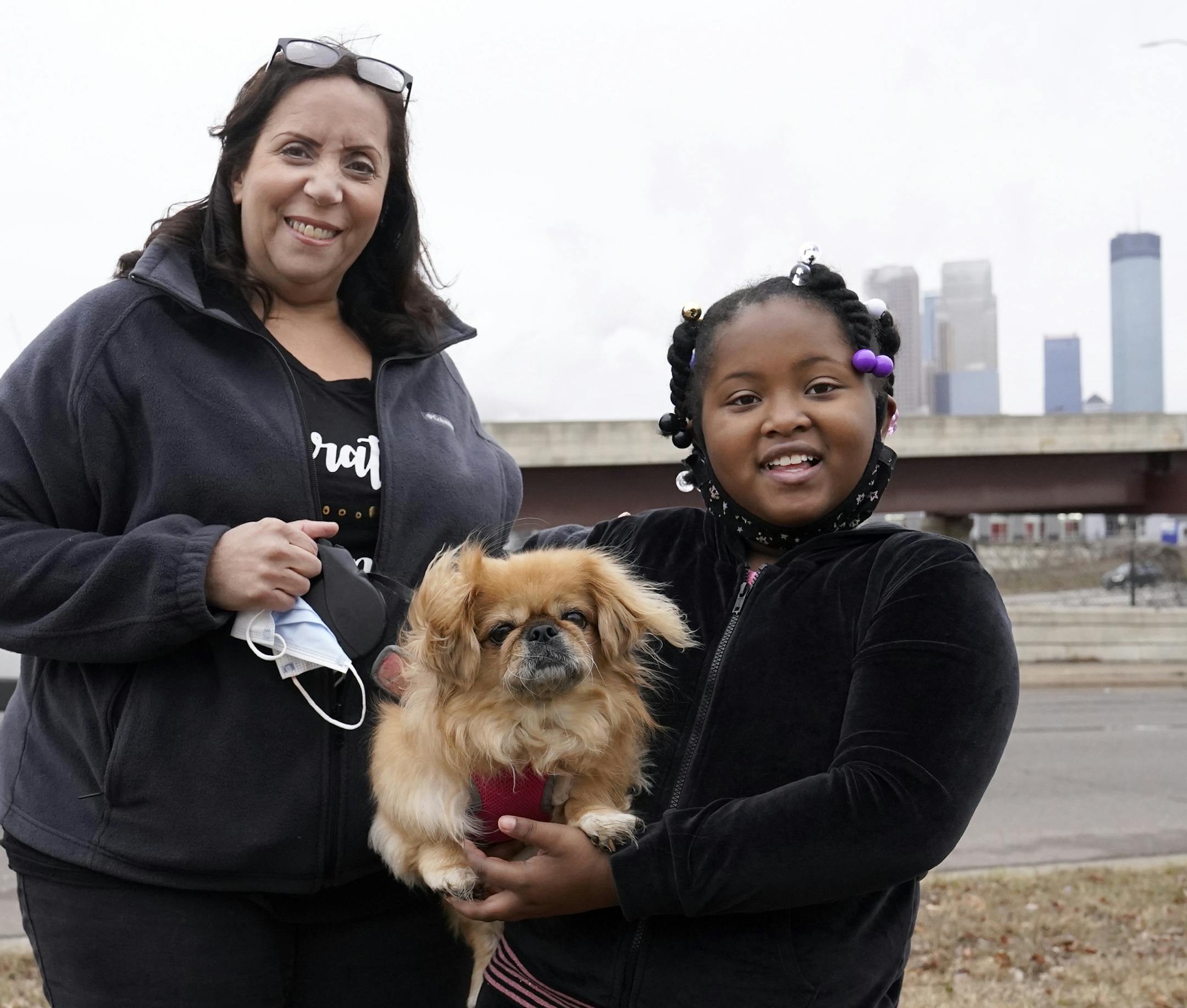
At its worst, COVID-19 forced Kathleen Stewart awake at 2 a.m., gasping for air, praying to God.
" 'I need help. I can't breathe!' " she prayed. "I asked him to calm my body down, and it did calm down."
The episode in mid-November might have sent Stewart, 60, back to the emergency room, but instead she talked with a doctor assigned to her through Hennepin Healthcare to monitor manageable cases of COVID-19 at home.
Dr. Jane Hess had Stewart check her blood oxygen with a pulse oximeter, listened to her breathing over the phone, suggested hot water with lemon and honey, and urged her to use the inhaler she prescribed to open her airways.
"I deal with this every day, whereas this patient has never experienced this constellation of symptoms," said Hess, an osteopathic family practitioner who volunteered for the COVID-19 home-monitoring role. "What constitutes something to be worried about is hard to know as a patient.
"I also just do a little cheerleading because it is kind of a marathon for these people to feel rotten day after day."
Hennepin Healthcare COVID-19 Home Monitoring started in May, but has grown this fall amid a pandemic surge that is filling hospital beds. The state's COVID-19 Response Capacity dashboard on Tuesday showed that a record 37% of 1,075 patients in Minnesota hospital ICU beds had COVID-19.
Hospital leaders believe home monitoring programs have helped keep some pressure off. Among 1,700 COVID-19 patients in the Hennepin program, only 10% went to ERs during their monitoring and 5% needed inpatient hospital admissions.


