

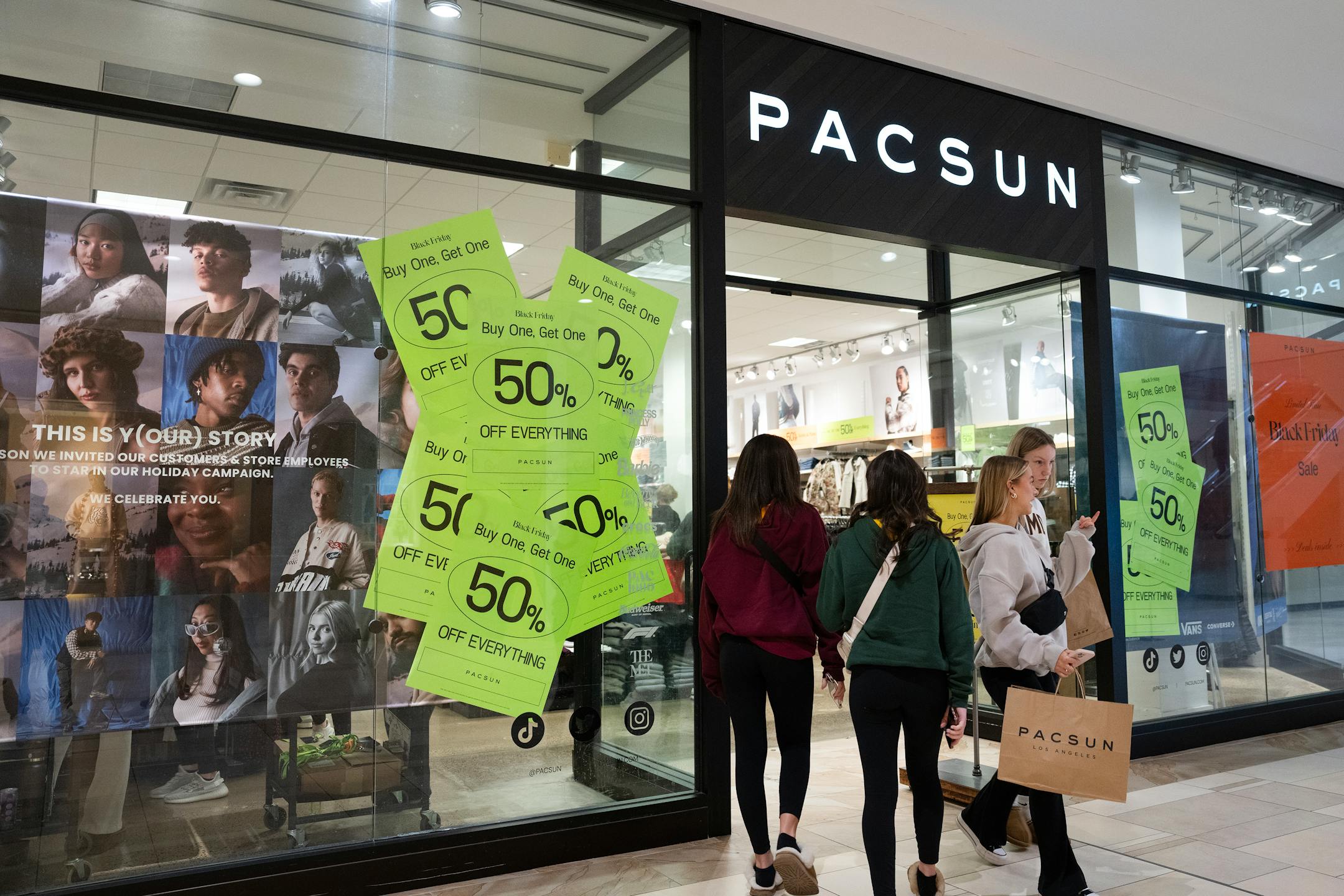
With the holiday shopping season almost here, remember to take the time to make smart purchases.
For 50 years, the nonprofit Twin Cities Consumers’ Checkbook has tracked prices and evaluated retail practices. Our secret shoppers have obtained more than a million prices for everything from alternators to zucchini, from hundreds of retailers and service providers.
All that research adds up to one key piece of advice: If you want a great deal on anything, shop around. Here are 10 sneaky pricing and selling strategies to watch out for while you’re checking off your gift list.
Constant sales
Many retailers constantly advertise big savings. But these promotions usually aren’t discounts at all. After tracking prices of big-ticket items sold at 24 major retailers for 33 weeks, Consumers’ Checkbook found 21 of the stores claimed to offer discounts more than half the time. For several chains, most of the items we tracked were offered at false discounts almost every week.
These special-but-not-really-special discounts, holiday sales (we’re looking at you, Black Friday) and events are meant to manipulate you into buying items right away. It dissuades you from shopping around. After all, if something is “60% off,” what’s the point of comparing prices elsewhere?
All this good-deal euphoria is also designed to make you snap up more stuff while you’re at it.
Inflated anchor prices
On the flip side of constant sale pricing is fake “regular” pricing, referred to in the industry as “anchor prices.” Most sellers show prices crossed out with lower “sale” prices splashed nearby. The store or its competitors rarely, if ever, charge those crossed-out higher “list” prices; they’re gimmicks to make that day’s prices seem like bargains.
Scarcity warnings
Demand is high! Supply is low! Act quickly or you won’t get that hotel room/pair of sandals/grill. Usually, it’s a ruse to make you buy now. Don’t let warnings like these deter you from exploring your options.


