

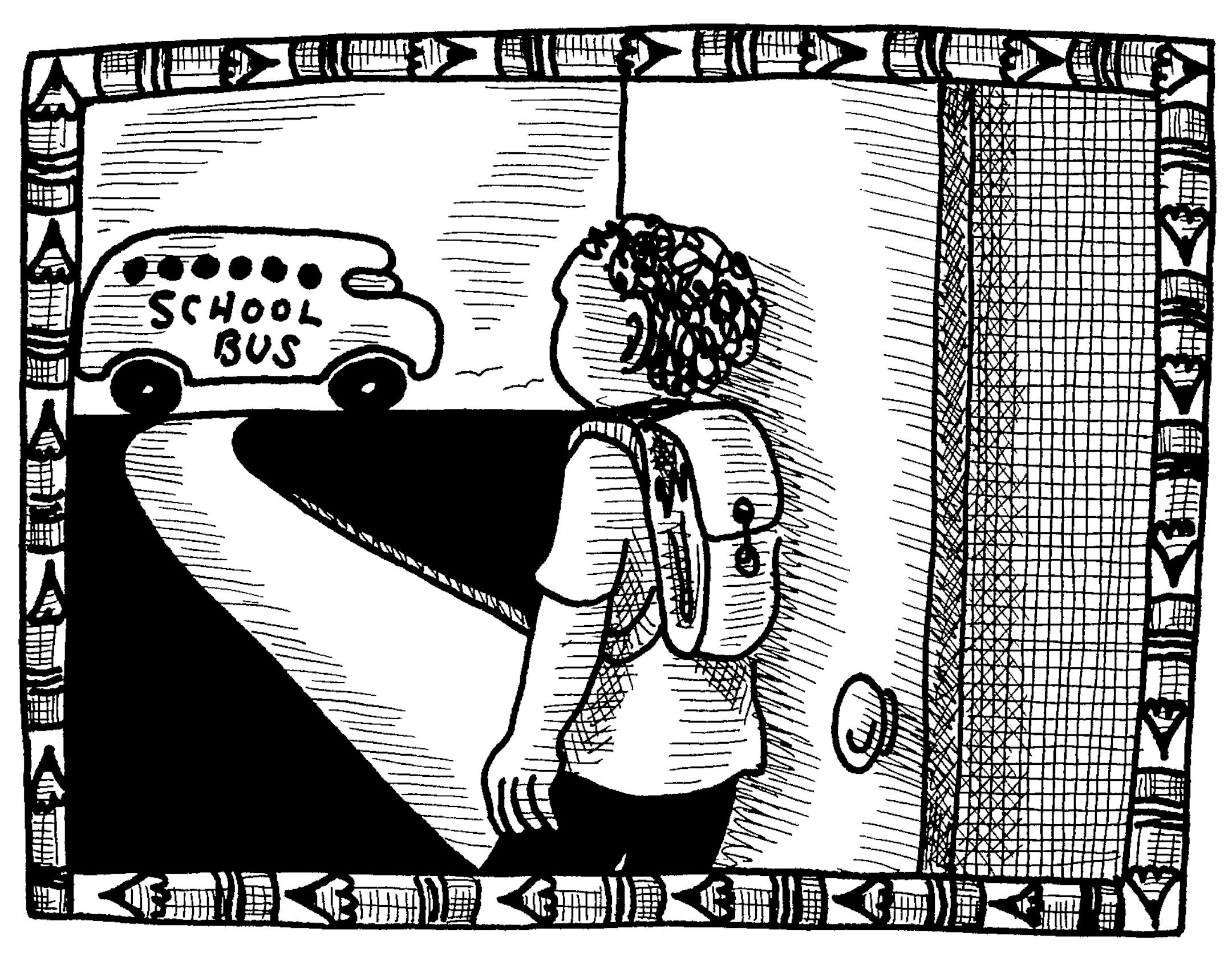
Just over 20 years ago, the charter school movement started in Minnesota and gave birth to alternatives to traditional public schools. The idea was that charters, with independence from state education rules, would have more freedom to try new ideas to improve student learning.
That's the ideal goal for charters, but too many have failed the test. Some schools in Minnesota and across the country have done an extraordinary job with challenging populations of students. However, in too many programs, kids are doing as badly or worse than they did they in traditional schools.
That's why proposals to intervene and close charters that aren't doing the job merit consideration. At a hearing scheduled for today, lawmakers will discuss legislation that would identify failing charter programs and require their sponsors (called authorizers) to close them.
State Sen. Terri Bonoff, DFL-Minnetonka, is introducing a bill that would hold charter programs more accountable for student learning. It's estimated that under the proposal, 17 of the state's 150 charter programs could be flagged for closure.
Bonoff's measure would not automatically close the schools, but it would force their authorizers to explain why a low-performing school should remain open. Exemptions from the law could include charters that have high numbers of English-language learners and those with large populations of special-education students.
In mid-2012, a national charter school conference was held in Minneapolis to mark the 20th anniversary of the movement. Some 4,000 conferees celebrated the successes of programs across the country. But they also were honest about the challenges and failures. In fact, a 2012 report commissioned by the National Alliance for Public Charter Schools suggested ways to improve quality, expand the growth of the best programs, hold authorizers more accountable, and intervene or close persistently lower-performing schools.
To have students transfer from one poorly performing school to another doesn't make sense. Start-ups should be given a certain amount of time to demonstrate that they can bring students along academically. If they fail, their students shouldn't suffer. Traditional programs that consistently fail kids should face that same fate.
There are, however, a number of success stories. Harvest Preparatory schools in Minneapolis, for example, have been highly praised for their impact on lower-income African-American students on the North Side of Minneapolis. After several years, many of their students are closing the achievement gap and outperforming peers from similar backgrounds.


