

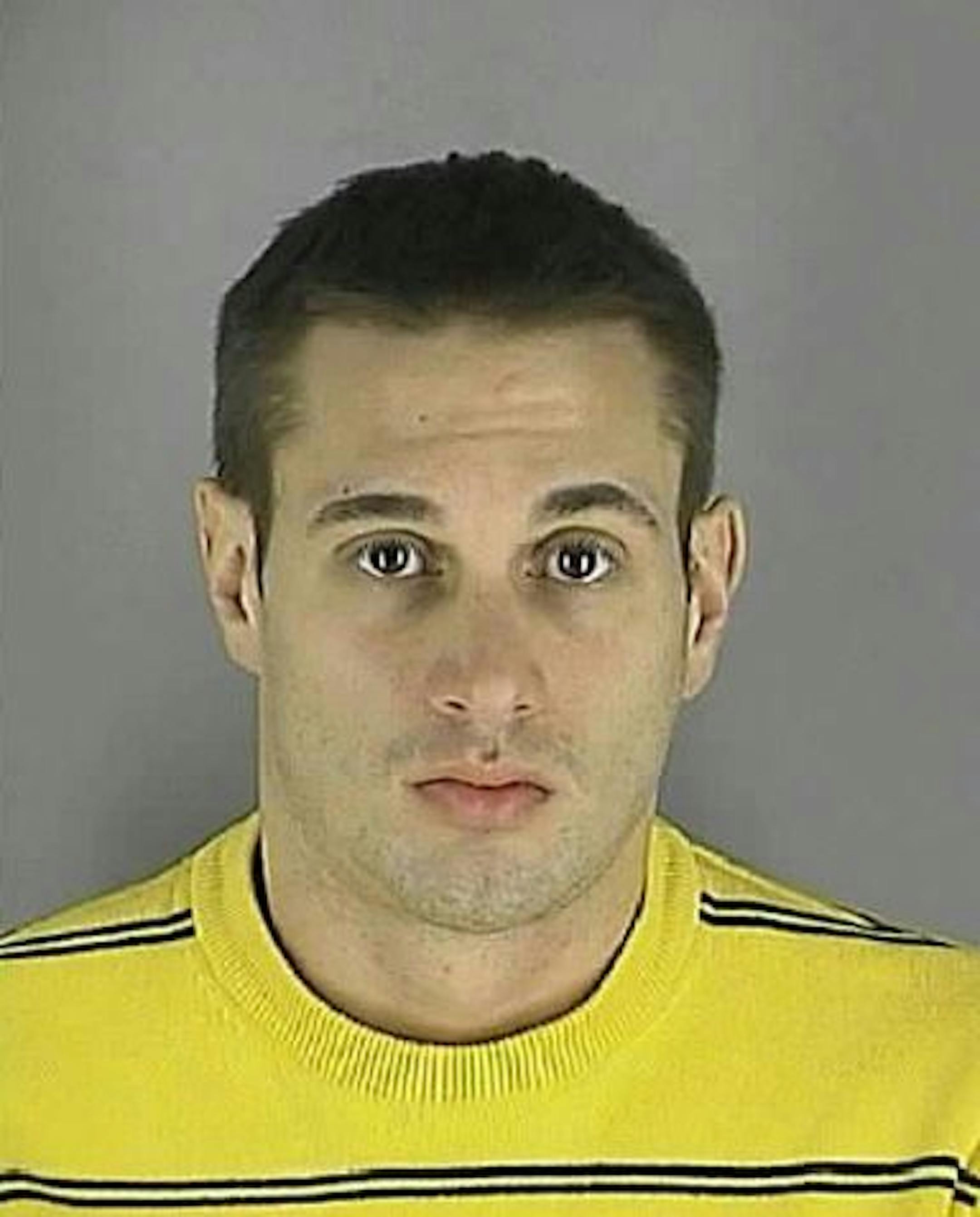
Medical experts and civil liberties advocates nationwide are weighing in on the Minnesota Supreme Court case of an HIV-positive Twin Cities man convicted and later cleared of a felony for having unprotected sex, arguing that the 17-year-old state law under which he was convicted should be rewritten in the interest of science and justice.
At issue is Daniel Rick's felony attempted assault conviction in Hennepin County, even though a jury found he informed his partner he was HIV positive. His attorneys argued that the law he was convicted of applied to medical procedures, not sexual intercourse. Opponents of the law argue that it has a chilling effect on the rights of those who are HIV positive to engage in consensual sex when they've informed their partner.
The American Civil Liberties Union, Minnesota AIDS Project and a handful of national groups have filed friend-of-the-court briefs in State of Minnesota vs. Daniel James Rick. Oral arguments have not yet been scheduled in the case, but are expected to draw intense interest nationwide.
"This is important because, first off, the law criminalizes a disease that shouldn't be criminalized," said Dr. Michael Horberg, chair of the HIV Medicine Association. "It's reliant on old information, an old science and it's a human injustice. "
But Hennepin County Attorney Mike Freeman, who plans to argue the case on behalf of his office before the high court, said both the case and the law are not about persecuting people who live with HIV and AIDS. Instead, he said, it's about stopping Rick, whom Freeman repeatedly called "the worst kind of sexual predator" for allegedly infecting several victims with HIV through unprotected sex.
"To suggest that it's a fundamental constitutional right to infect other people with a serious disease is outrageous on its face, and that's what they're asking," he said.
Similar laws elsewhere
Minnesota is not unique in laws that criminalize HIV transmission. According to the Center for HIV Law & Policy's Positive Justice Project, 35 states have statutes that enable prosecution or enhanced sentencing under HIV-specific criminal statutes or general criminal laws, such as assault. In Rick's case, there was no proof that his alleged victim contracted HIV from him, hence the attempted assault charge.
Rick's attorney, Landon Ascheman, said it's encouraging that other organizations have backed his arguments against the state's HIV transfer statutes.


