

Sunday morning traffic screamed past on Interstate 94 in Albany, Minn. — families heading for the lake, truckers facing deadlines, couples heading down the road to breakfast. The sun crept higher, its glare intensifying, along with my sense of the drivers' indifference. An hour. Two hours.
All I'd have to do was hop across the median and turn my back on all of this — head east, back to the Twin Cities and home, and forget I'd even thought about hitchhiking to visit a friend in Twisp, Wash., 1,500 miles away in the mountains east of Seattle. I could be home in two hours, and spend my week's vacation fishing.
That's when the red pickup hauling the enormous horse trailer slowed to a long halt.
"Where you going?" I asked the driver.
"Bismarck," he said.
I was in. Decades ago I'd been one of thousands of hitchhikers lining the nation's highways, but in the past 30 years (driving my own vehicles, of course) I probably hadn't seen even a dozen, anywhere in the United States. I wanted to understand what had changed about the American road I once thought I knew. I'd turned 60, and summer was coming. There was no waiting.
I'd told a select few people I was going — friends who I knew would understand why, at my age, I didn't just go on a cruise or cut back on salt. And I gave short notice. I told my kids — grown-ups and moms now — who went slightly pale, but knew they couldn't argue. When people asked if I was afraid, I quoted Elijah Wald, a lifelong global hitchhiker and author who wrote that these days predators aren't out burning up $3.50-per-gallon gas looking for victims; they're working the Information Highway.
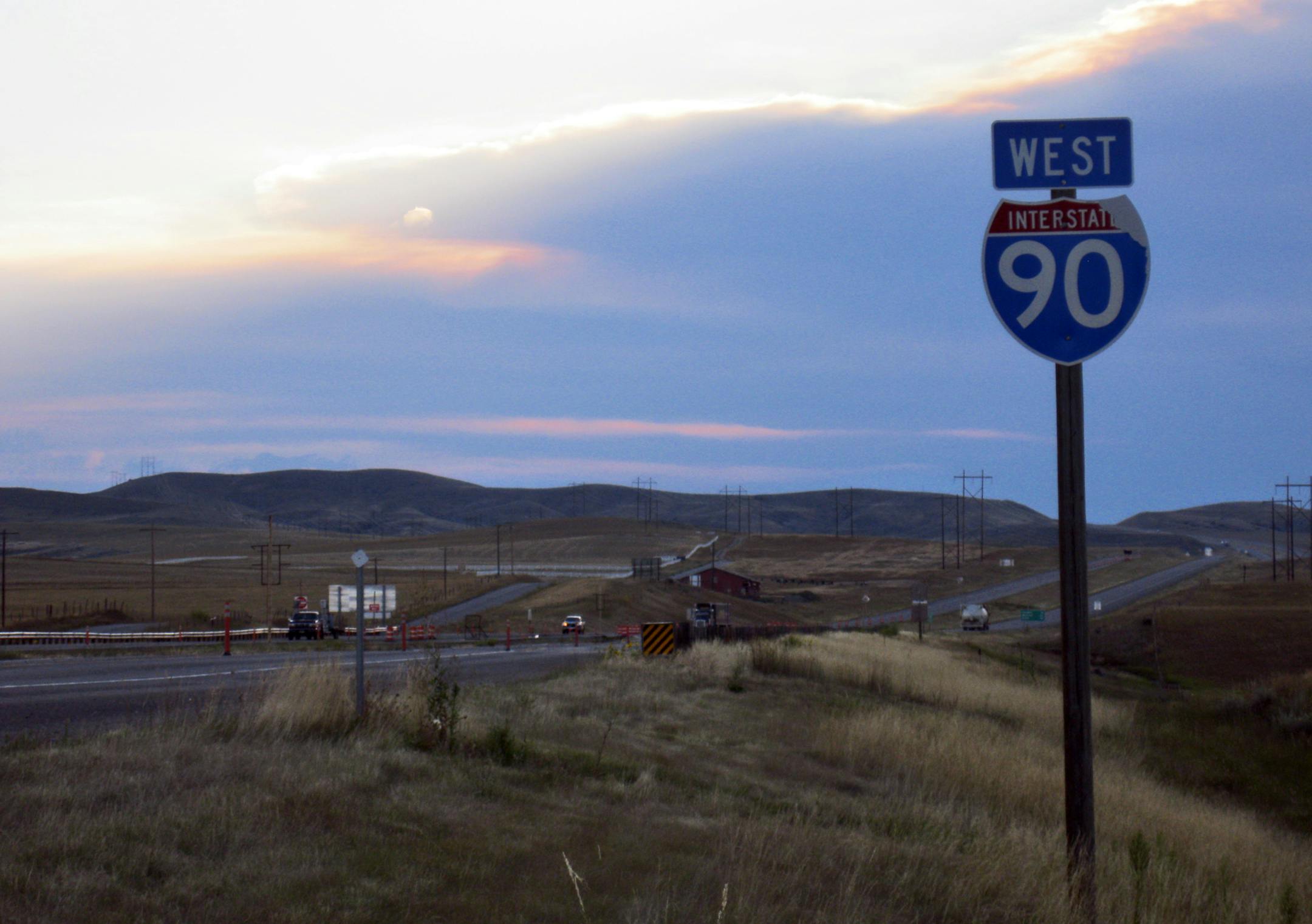
Then on a Saturday morning in August, I hopped on the Northstar commuter train in downtown Minneapolis with a borrowed backpack and a handmade sign reading "West," hopped off in Big Lake and headed for the highway.


