

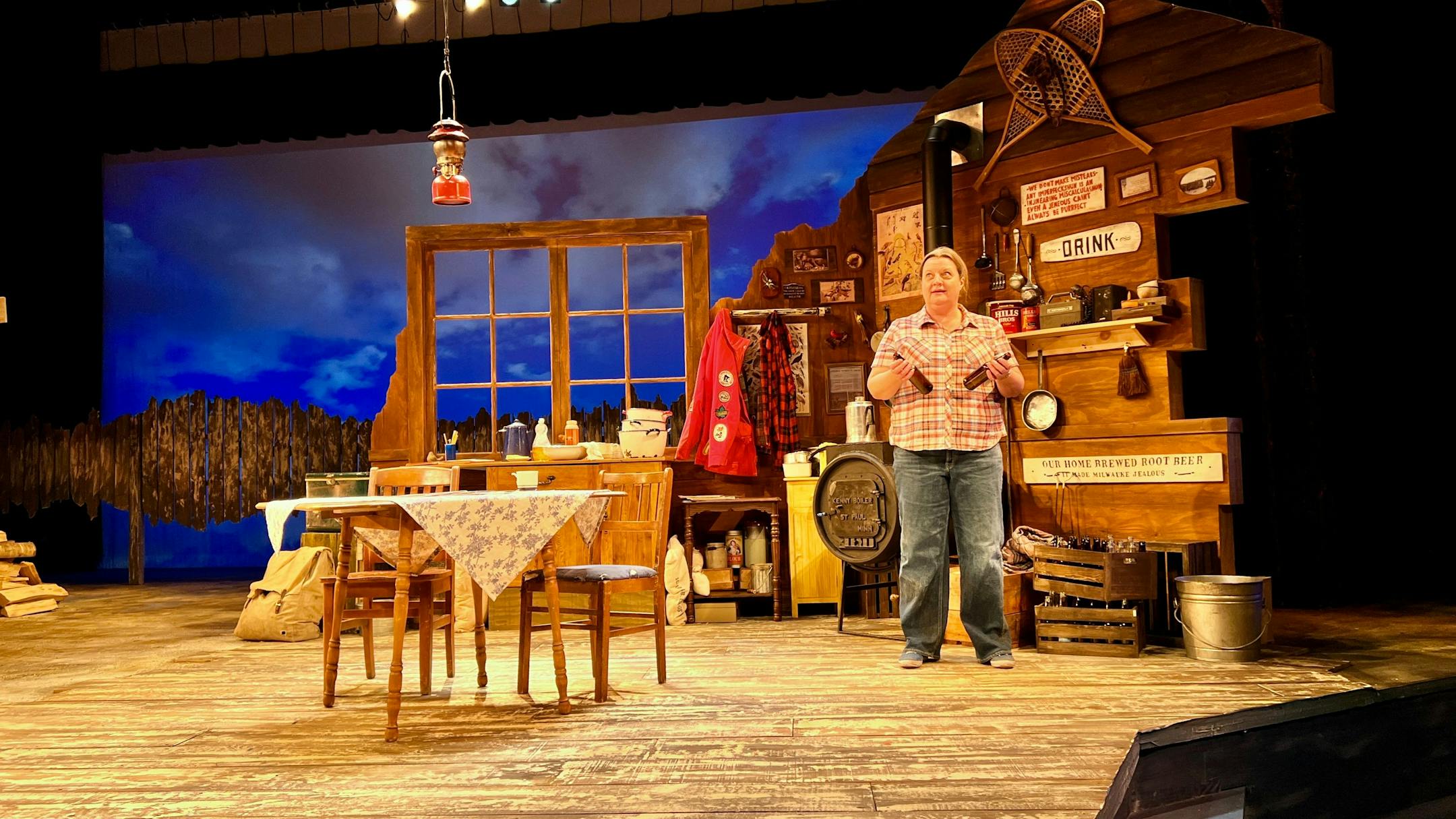
There was an issue with the History Theatre play originally titled "The Loneliest Woman in America": Actor/writer Kim Schultz doesn't believe her character, Dorothy Molter, was lonely.
She's in good company. Molter — called "the loneliest woman" in a Saturday Evening Post story about her half-century living in a remote Minnesota cabin — also disliked the sobriquet.
"People assumed she was lonely because she was alone, but I don't think that's the case," said Schultz, whose play, now called "The Root Beer Lady," opens Saturday. "Thousands of people visited her to buy her root beer and I think she considered nature and animals to be her companions."
Molter was famous for the homemade root beer she sold to tourists and visiting students, including a pre-fame Julia Roberts. The pioneer lived for more than 50 years on Knife Lake, in what has been designated the Boundary Waters Canoe Area Wilderness.
The Chicagoan first visited the Isle of Pines "resort" in 1930 on a fishing trip with her dad, permanently moving in four years later. She stayed, in a small cabin with no electricity or utilities, until her death in 1986. She was, as the History Theatre is calling her, "the last legal non-Indigenous resident of the Boundary Waters."
"Root Beer Lady" finds 79-year-old Molter sitting at her kitchen table, part of a Chelsea M. Warren set that depicts the cabin and its Boundary Waters backdrop. She shares tales of her life and adventures in nature.
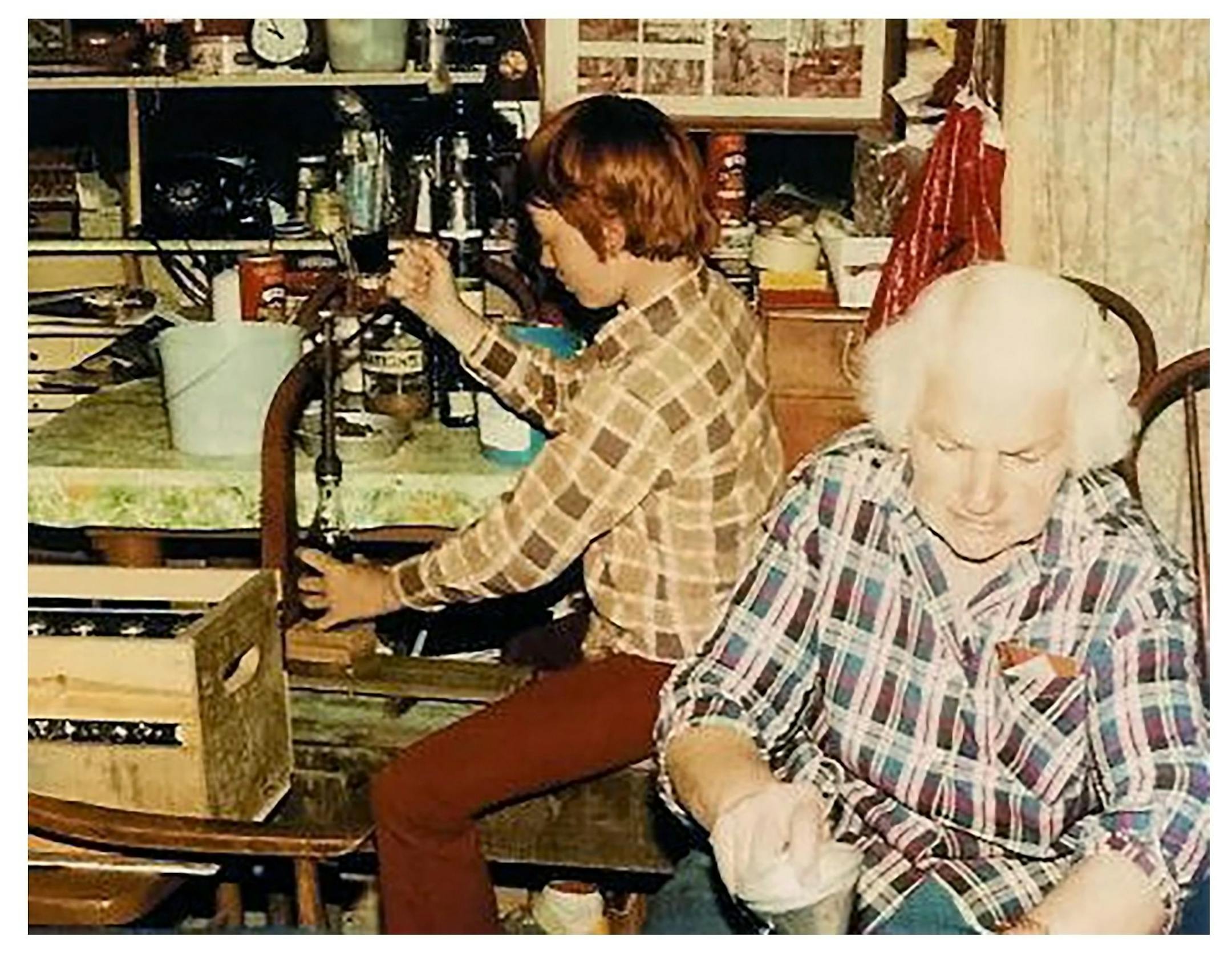
"There were all these stories written about her and assumptions made about who she was," said Schultz, who has performed other solo shows but wasn't sure that's what "Root Beer" would be. "I looked at whether it should be a multi-actor play but the more I dug into it, I realized I wanted Dorothy to tell her own story."
Schultz, whose one-woman "No Placed Called Home" was at Illusion Theater in 2011, learned of Molter in 2019, while an artist-in-residence at Tofte Lake Center. Fascinated, she began doing research, including visiting the Boundary Waters and Ely's Dorothy Molter Museum, which includes some of its namesake's reassembled cabins. Schultz quickly realized Molter's story could be a play, and pitched the idea to former History Theatre artistic director Ron Peluso.


