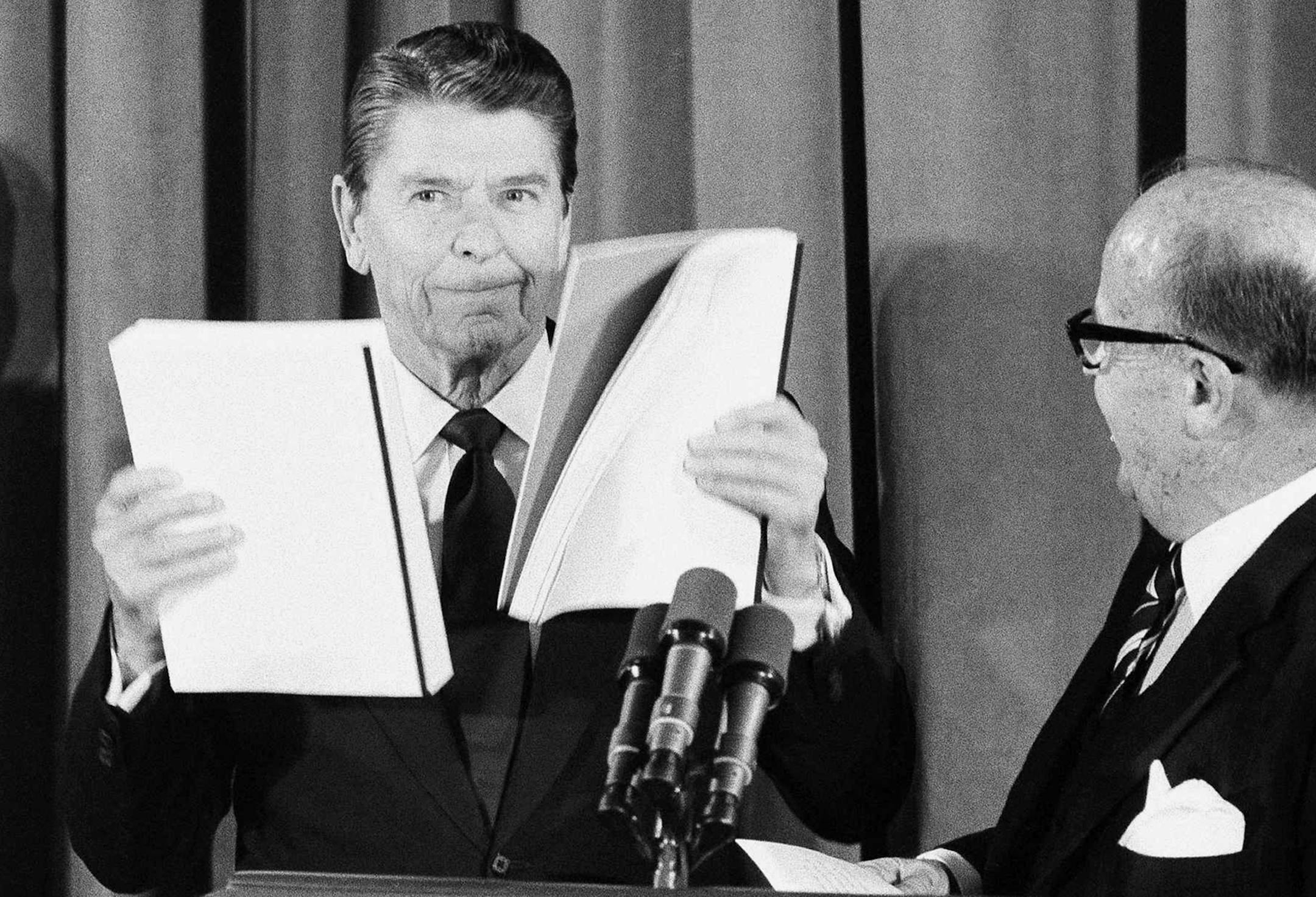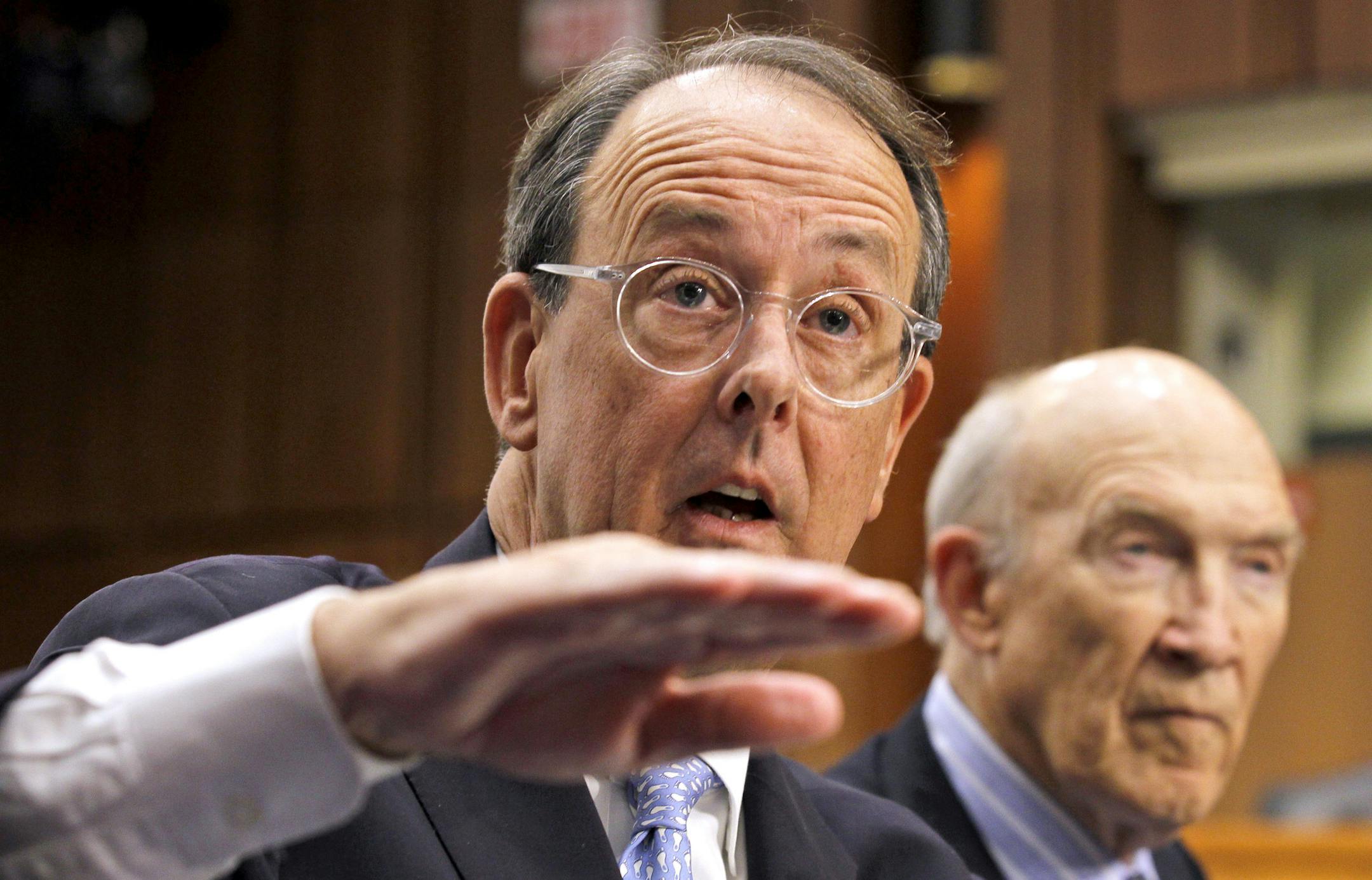
Washington – Since the end of World War II, more than a dozen high-profile bipartisan panels have been convened to tackle the nation's thorniest fiscal problems. Seldom have their recommendations spurred congressional action. Their ambitious, high-octane reports and recommendations are mostly gathering dust on government shelves.
Right now, congressional negotiators are struggling with a way to head off another looming government shutdown and debt ceiling crisis that could strike early next year. A 29-member bipartisan panel faces a Dec. 13 deadline and daunting odds.
History is not on its side.
A bipartisan "supercommittee" assigned to find ways to cut the federal deficit by at least $1.2 trillion over 10 years crashed, burned and expired last November.
"We end this process united in our belief that the nation's fiscal crisis must be addressed and that we cannot leave it for the next generation to solve," its leaders, Rep. Jeb Hensarling, R-Texas, and Sen. Patty Murray, D-Wash., said in a joint statement of frustration.
A 2010-2011 deficit-reduction panel led by former Sen. Alan Simpson, R-Wyo., and Democrat Erskine Bowles, a former chief of staff to President Bill Clinton, produced a comprehensive deficit-cutting plan that was widely praised but mostly ignored, even by President Obama, who created the group. Simpson called the plan "the only one that irritates everybody" and therefore "the only one that will work."
Plaudits but little support
Proposing a batch of highly detailed government spending cuts and tax increases, the recommendations won many bipartisan plaudits but little support from either party.
It failed, Simpson later suggested, because Democratic and Republican lawmakers alike "all worship the god of re-election."