

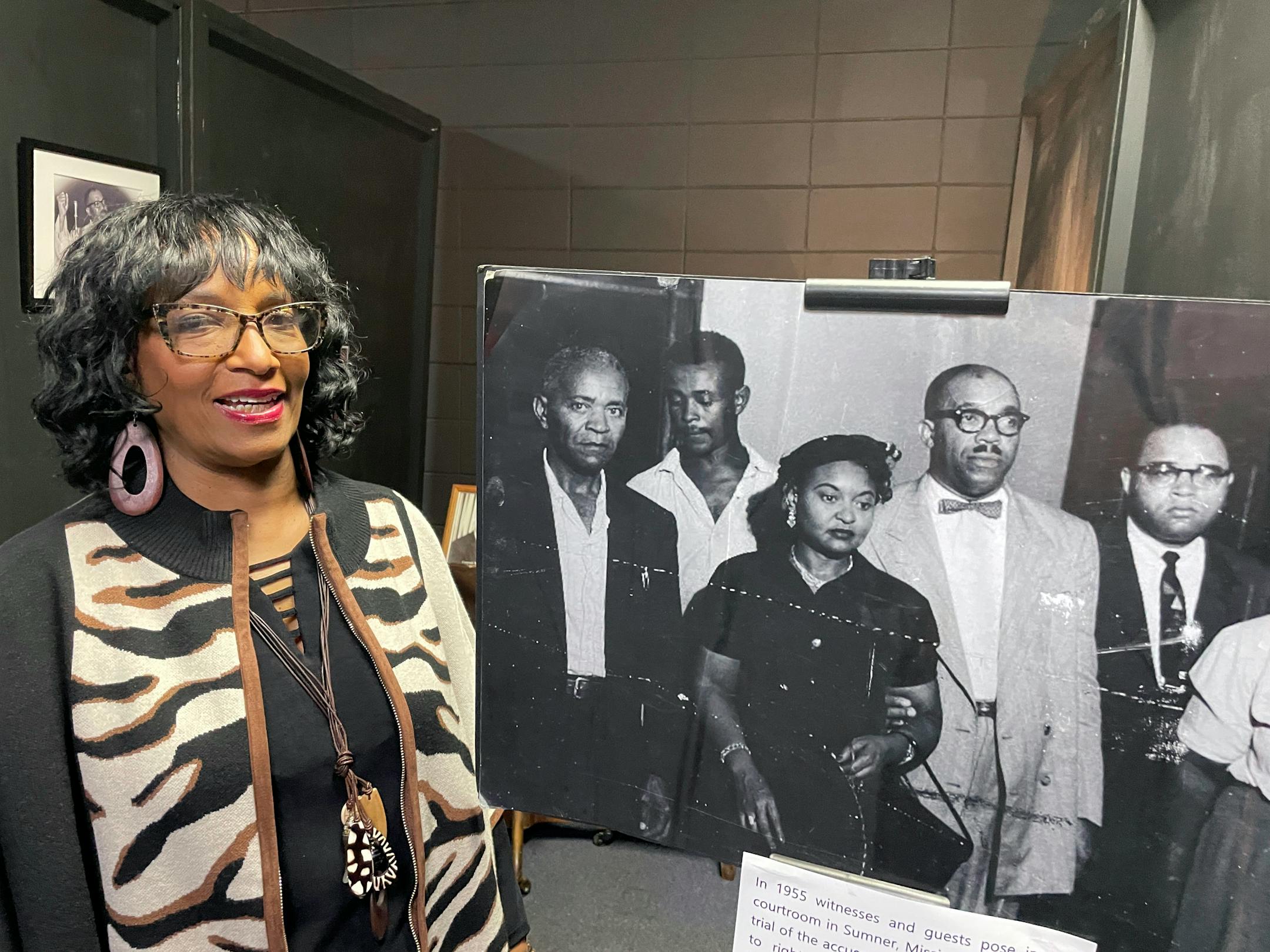
Emmett Till was a child raised in love and killed by a hate he barely understood.
It's been almost 68 years since the vacationing 14-year-old was bludgeoned, shot, wrapped in barbed wire and dumped in the Tallahatchie to vanish into the Mississippi Delta like so many Black bodies before him.
All because he whistled at a white woman, who told her husband, who told his stepbrother, who grabbed a gun. In an America of Jim Crow segregation and vicious, violent white supremacy, a wolf whistle from a 14-year-old could be a death sentence.
There are those who say — or scream at school board meetings, or legislate in statehouses — that there's little point in teaching a chapter of history so sad, that makes white people look so bad, that was all so long ago and far away.
History is closer than we think. On April 15, Deborah Watts will talk with her neighbors in Plymouth about her cousin, Emmett Till.
"We need to know the truth of what happened," said Watts, who was a toddler when her cousin was lynched. "You need to explore and get underneath the narrative [and] find your place in the story."
An all-white jury let his killers go free. A few months later, they confessed to the murder in a magazine interview. His family has spent seven decades ensuring that those men didn't get the last word.
There will be a free screening of "Till," the 2022 film about her cousin's short life and long legacy at 1 p.m. at Mount Olivet Lutheran Church of Plymouth. After the movie, Watts will be on hand to answer questions.


