

Greater Minnesota hubs continue to experience historically low unemployment while tight regional labor forces are largely unchanged, according to the latest state economic data.
That leaves businesses struggling to find workers to fill job vacancies, which economists say is stifling further economic growth.
"There's still more than three jobs available for every job seeker in the state," said Cameron Macht, a regional analyst with the Minnesota Department of Employment and Economic Development. "That is the highest ratio of any state in the U.S."
Outstate metropolitan areas all had slight unemployment rate increases in November. The Mankato-North Mankato Metropolitan Statistical Area, which includes Blue Earth and Nicollet counties, grew from 1.3% unemployment in October to 1.6% in November.
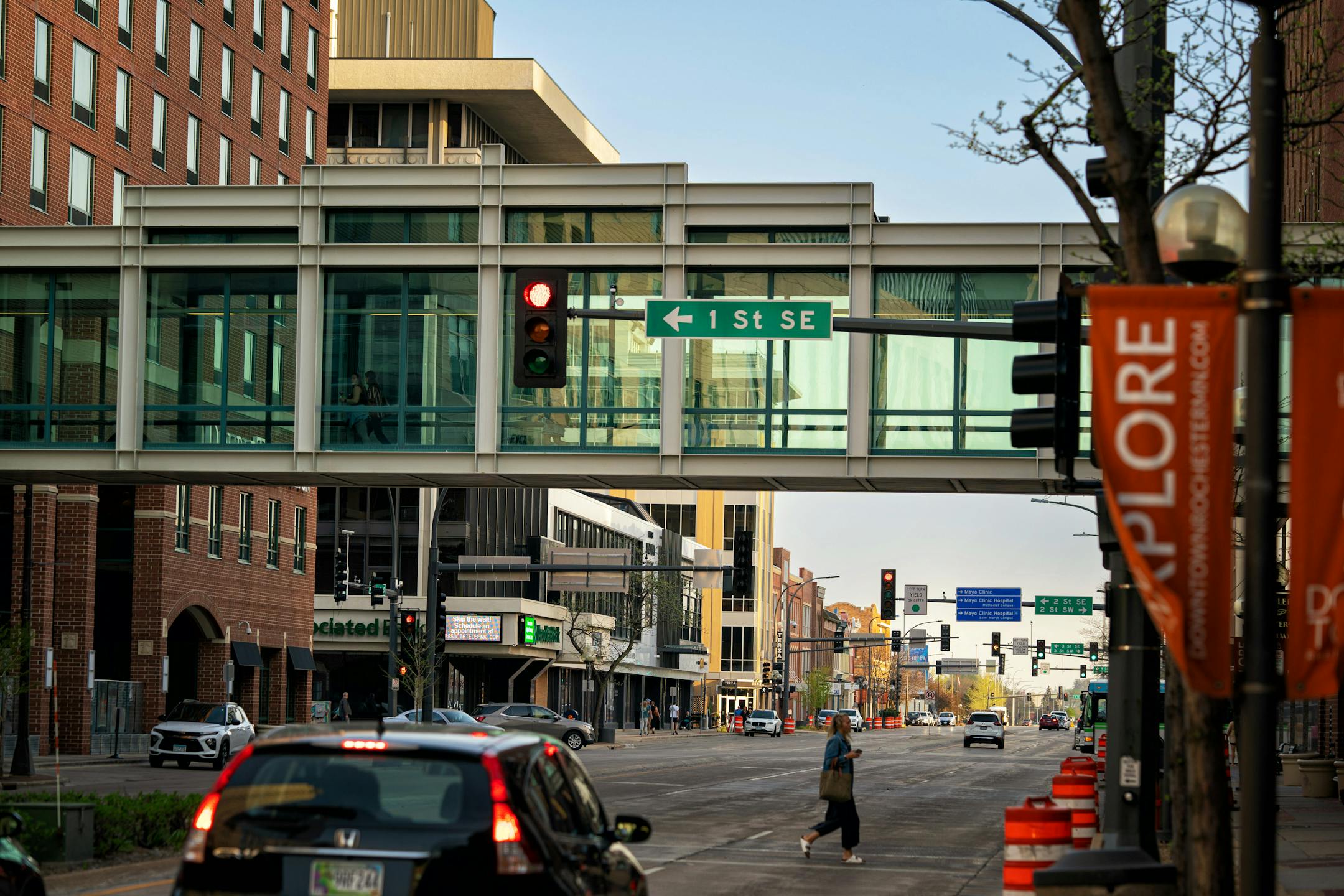
The Rochester area, which includes Dodge, Fillmore, Olmsted and Wabasha counties, tied at 1.6% unemployment in November, up from 1.4% in October. That's among the lowest unemployment rates in the nation, according to state officials.
By comparison, the Minneapolis-St. Paul Metropolitan Statistical Area, including 11 counties in Minnesota and St. Croix and Pierce counties in Wisconsin, had an unemployment rate at 1.9% last month, up from 1.7% in October.
In the St. Cloud area, including Stearns and Benton counties, unemployment was at 2.2% in November, up from 1.7% the previous month, while the Duluth metro area, including St. Louis, Carlton and Douglas (Wis.) counties, grew to 2.8% from 2.2%.
At the same time, labor pools in each area are stagnant, while job growth is mixed in metro areas around the state. Only Rochester saw any significant increases — the area added almost 600 jobs in November.


