Before the tall towers, there were spires.
The oldest photos of cities show steeples reaching high above the streets, aspirations refined to a single moment where the physical world ends and the sky begins. Now stone and steel dwarf the downtown churches.
In Lower Manhattan, Trinity Church nestles like a small sleeping creature in the palm of the surrounding structures; in Chicago, a great practical city, there's a Gothic church atop a 20-story skyscraper, so you can get in your trading and your worship in one efficient address. In Minneapolis, churches dot the edges of the downtown core, reminding you that these precincts were once residential.
In St. Paul, it's different. On one hill is the brilliant St. Paul Cathedral, the summation of affluence and glory, permanence and authority. On another hill sits the State Capitol, a dome of a different creed. They stand above the city, and together give St. Paul its silent but potent distinction: The sacred is present, as much as the secular.
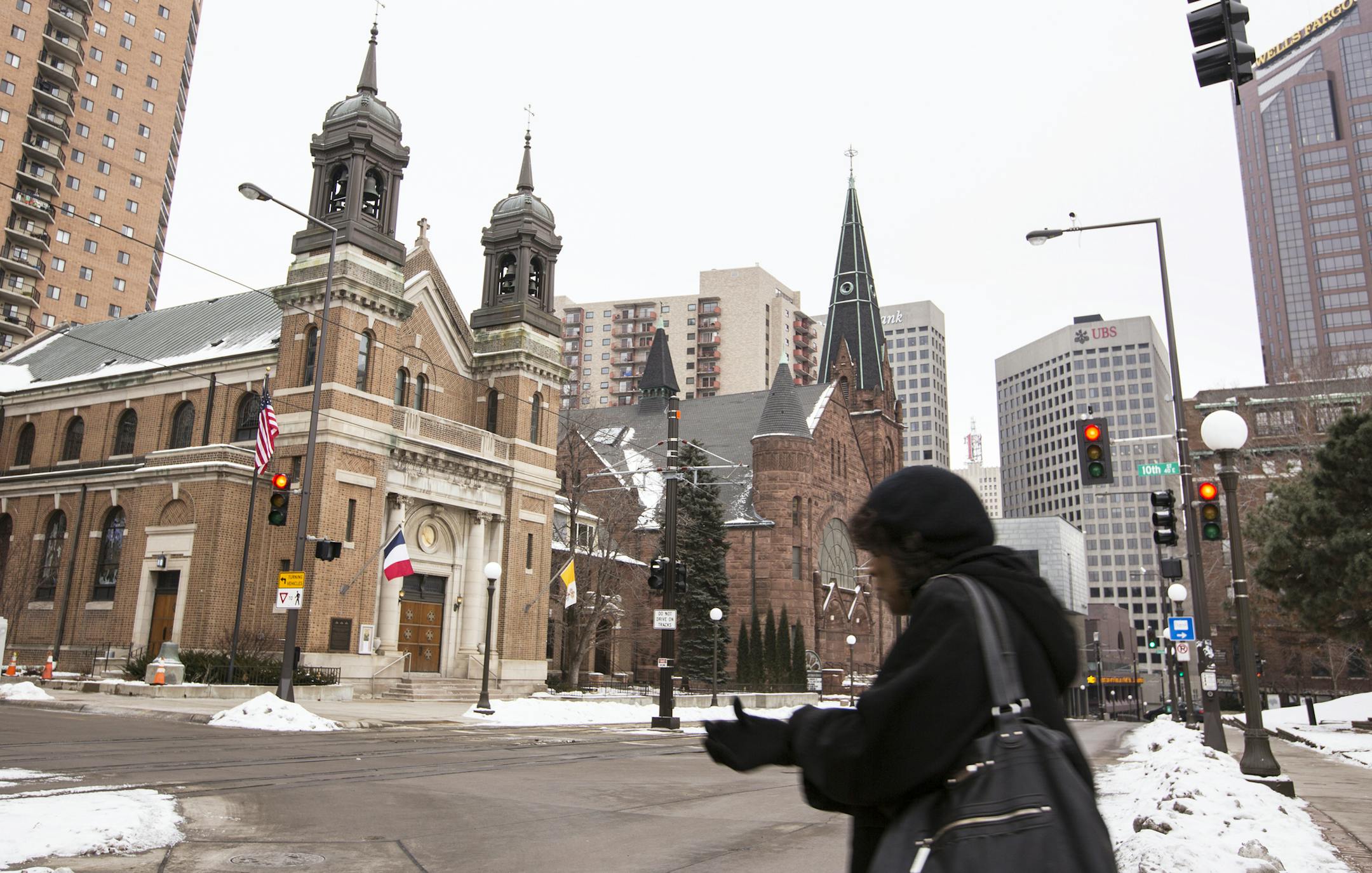
It's a theme that extends to downtown, where you'll find some remarkable churches that give the street a gift no office building could provide. A storefront can give you a Subway. A church can give you the sublime.
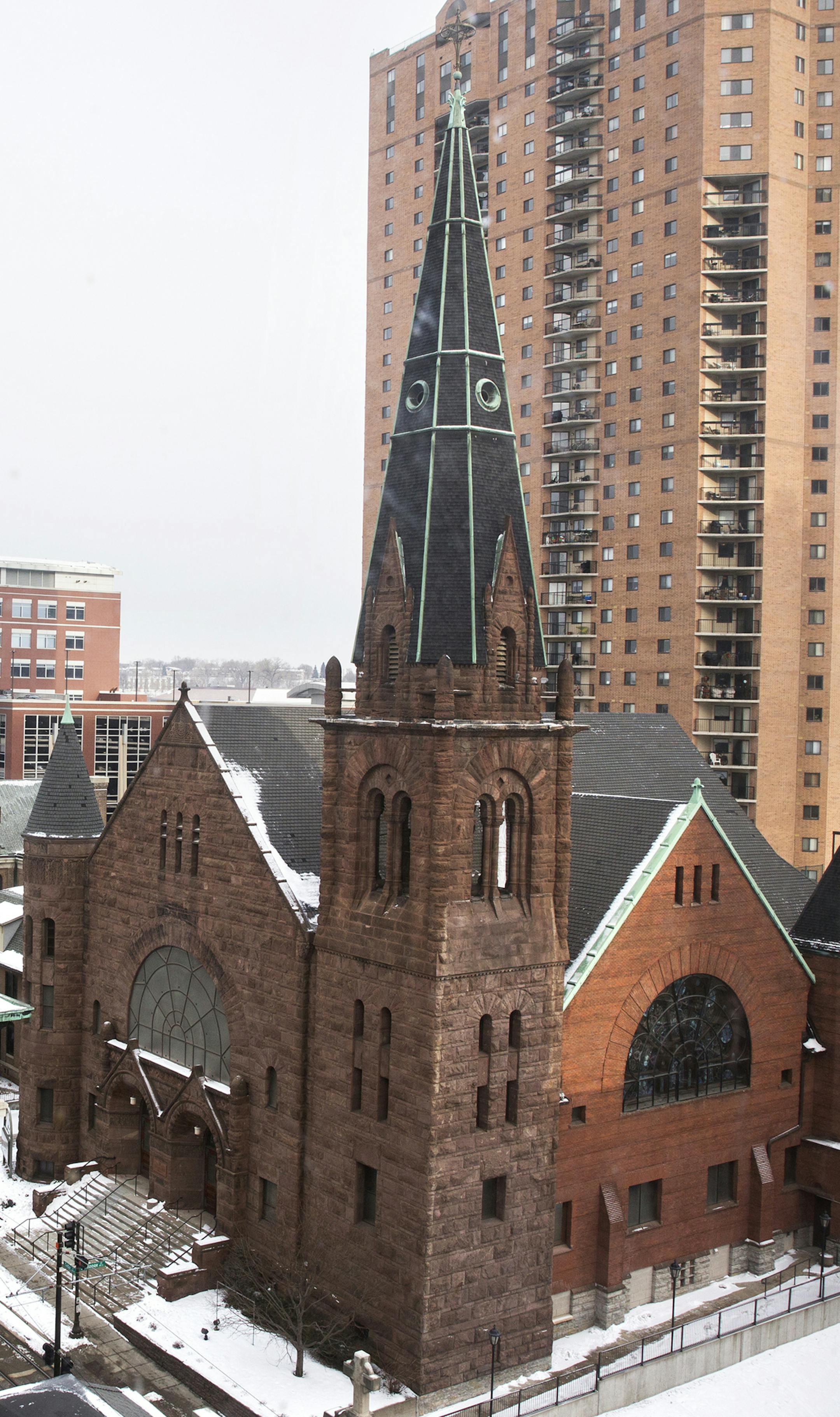
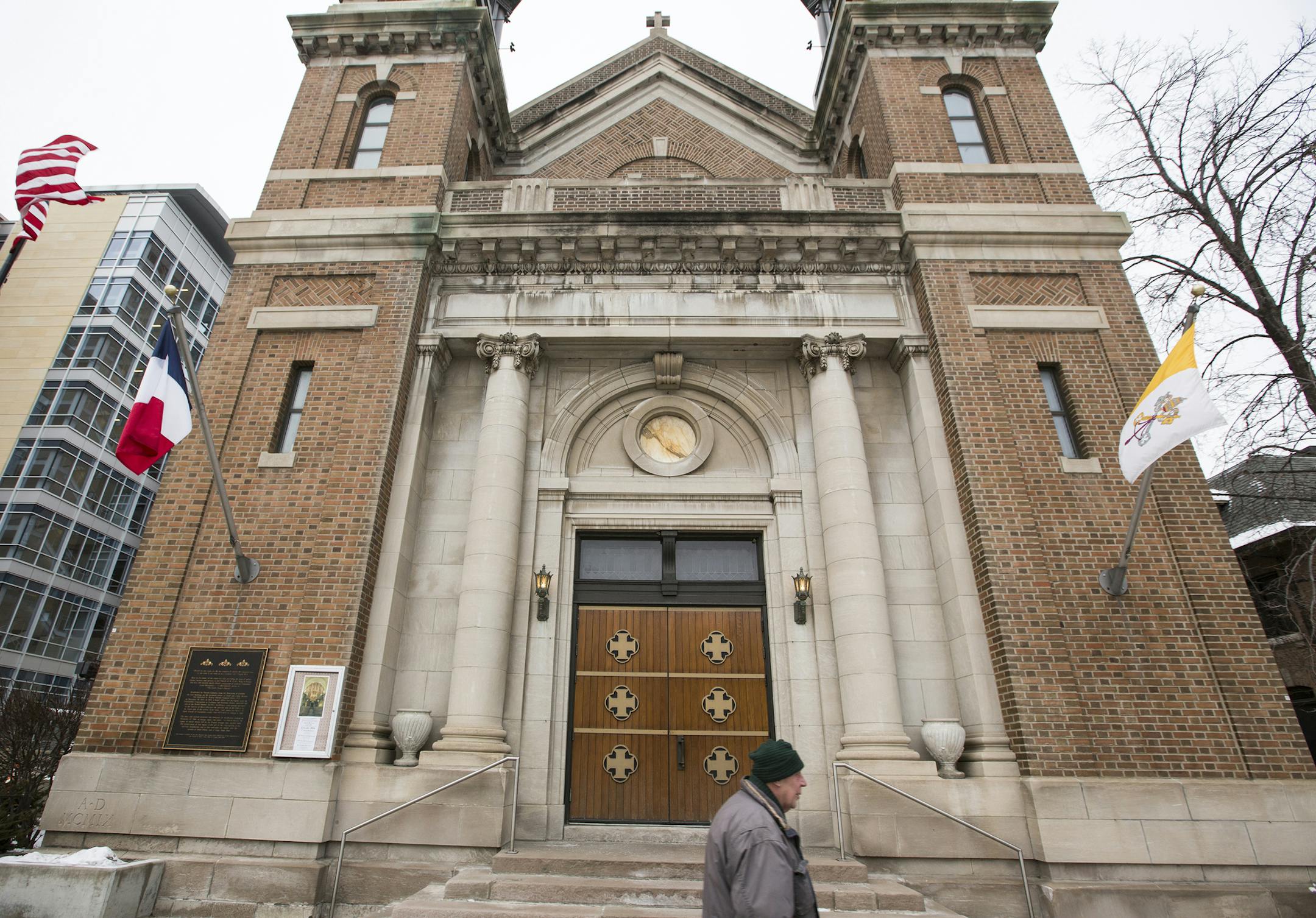
You don't have to be religiously inclined to appreciate them, any more than one must believe in the divinity of Ramses II to appreciate the Pyramids. Each has a style, and each style is a lesson. Here are three downtown St. Paul churches that have architectural and historical merit.
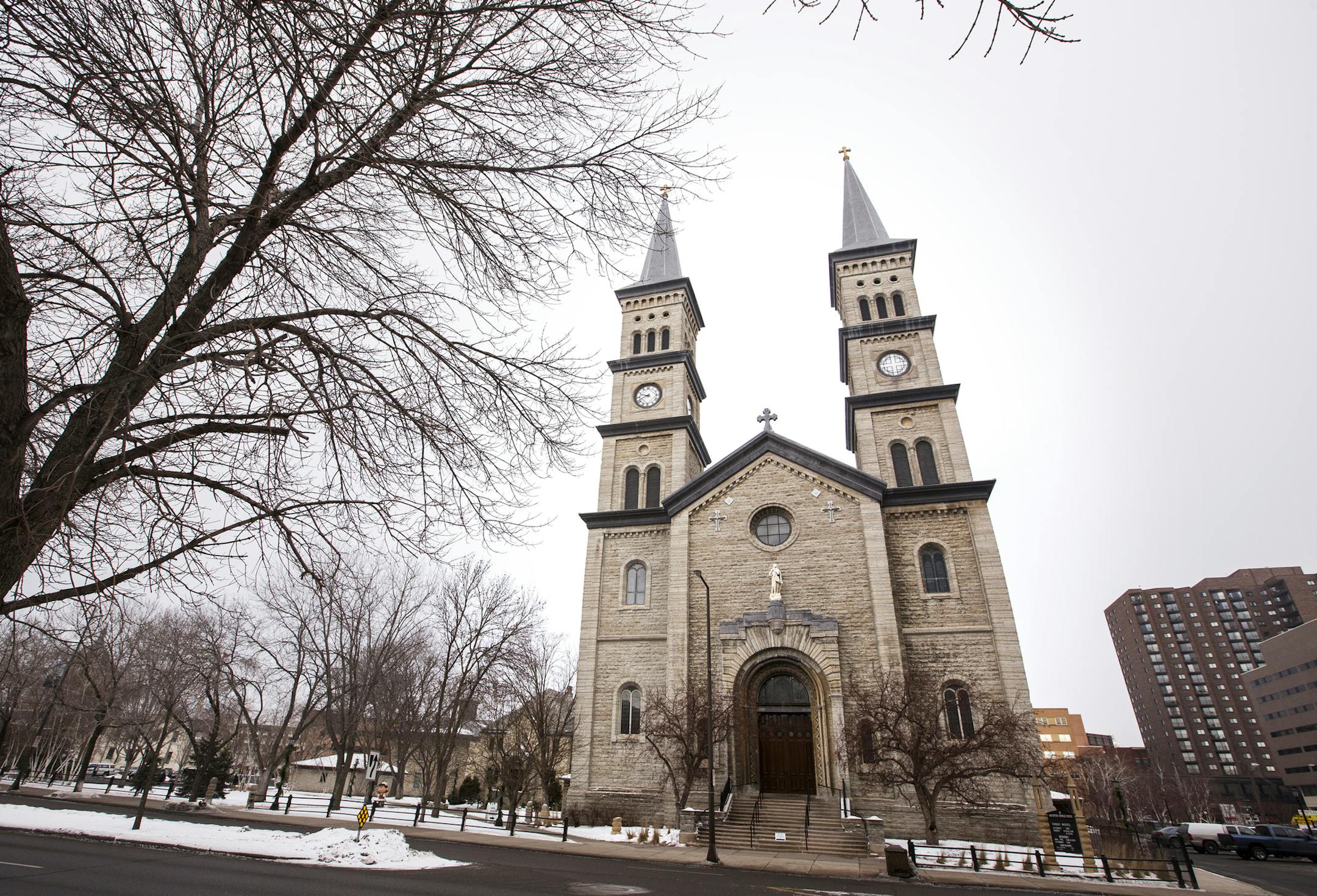
The Church of the Assumption (51 W. 7th St.), dedicated in 1874, is the oldest church downtown. The double spires are meant to recall the Ludwigkirche in Munich, and perhaps some German immigrants saw the resemblance, but it's plainer; the Munich church is clad in shining stone while the Church of the Assumption has the sober hue of a somber winter sky.
The gray limestone's sedimentary layers provide a short visual history of deep time, and the irregular weathering gives the impression of a building carved out of a solid block by wind and water. It sits back from the street, apart but not aloof. It has the simplicity of 19th-century frontier buildings, straightforward and practical.