

One year ago, as COVID-19 began to spread across Minnesota, Red Lake Tribal Chairman Darrell Seki Sr. decided to close off the borders of the northern reservation "to keep the virus away as long as possible."
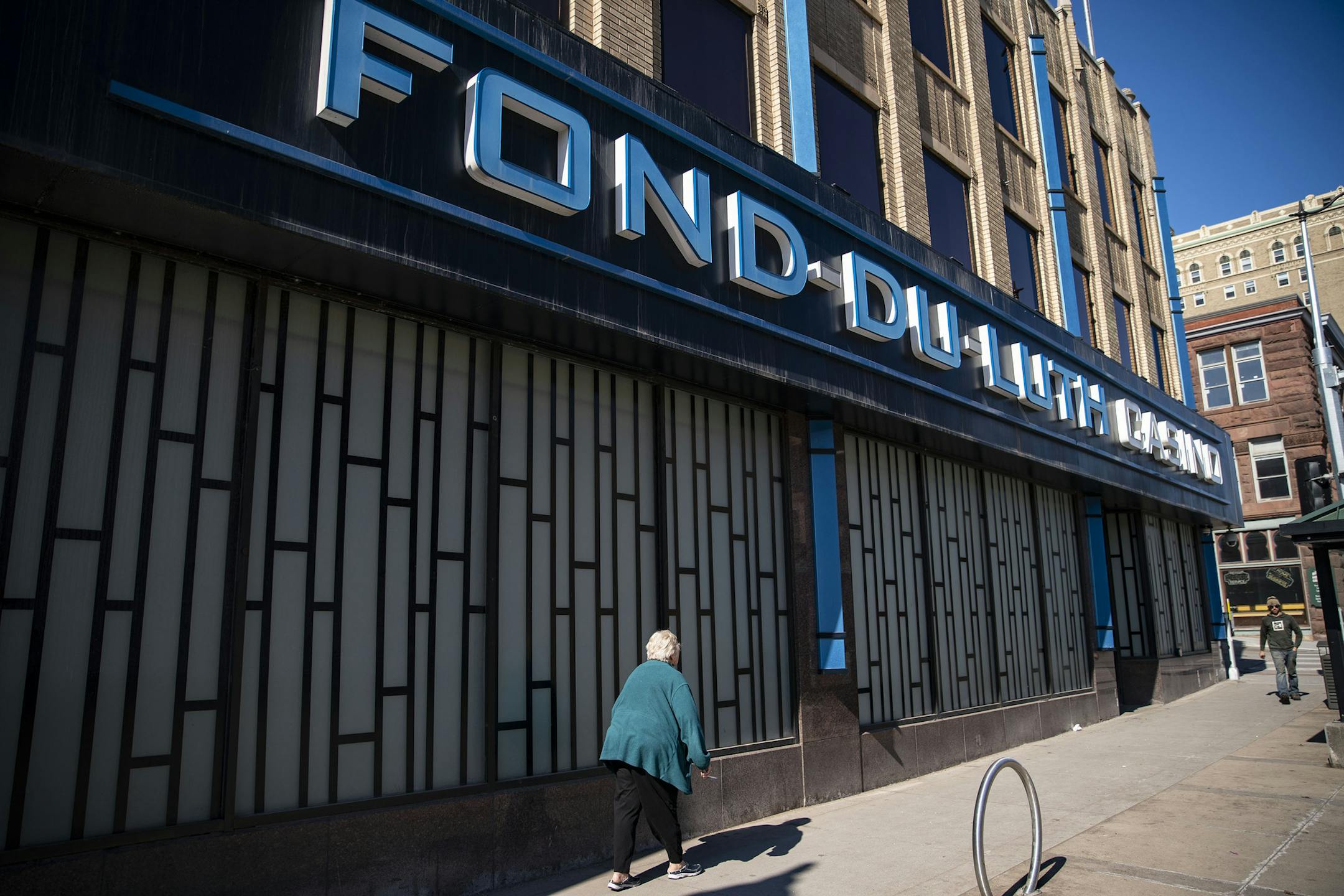
Customers, and millions in revenue, dropped off in their stores and casinos. Yet the virus still crept in, infecting one person on the reservation in May and eventually hundreds more. The northern tribe had to dip into reserves to provide basic services.
Now, a package of more than $31 billion for the nation's tribes and urban Indigenous communities through the Biden administration's American Rescue Plan — the largest single infusion of aid for tribes in U.S. history — aims to help them recover from the devastating toll of the global health crisis.
For the first time, millions of dollars will flow directly to Minnesota's 11 tribal nations to offset lost revenue when they closed their enterprises during the pandemic, and to boost vaccination efforts and increase testing. It's a critical lifeline for Indigenous Americans, who have been hospitalized with COVID-19 at nearly four times the rate of white Americans and died at nearly twice the rate.
But the aid also promises transformative change for tribes as the pandemic recedes, with resources to close longstanding gaps in housing and mental health services, improve water infrastructure and bolster tribal schools and colleges. Native leaders in Minnesota say it's a powerful symbol of trust after centuries of broken promises from the federal government.
"It's super exciting, it is long overdue, and I am cautiously optimistic that we are entering a new chapter in how tribes and the government work together," said Lt. Gov. Peggy Flanagan, a member of the White Earth Band of Ojibwe, who lost her brother to COVID-19. "Trying to repair the damage that's been done since 1492 is a tall order. Thirty-two billion dollars is a significant down payment, and there is more work to be done."
The pandemic laid bare longstanding economic and health inequities afflicting Minnesota's tribal communities, leaving them especially vulnerable to the virus. A chronically underfunded health care system and high rates of such conditions as diabetes put the tribes at higher risk of severe complications from COVID-19.
Quick action to close down tribal operations like casinos spared Minnesota's tribes the level of devastation seen in the southwestern Navajo Nation, which has had more than 30,000 confirmed cases and more than 1,200 deaths.


