By MICHAEL R. GORDON and DAVID E. SANGER New York Times
LAUSANNE, Switzerland – Iran and the world powers said Thursday that they had reached a surprisingly specific and comprehensive general understanding about the next steps in limiting Tehran's nuclear program, though Western officials said many details needed to be resolved before a final agreement in June.
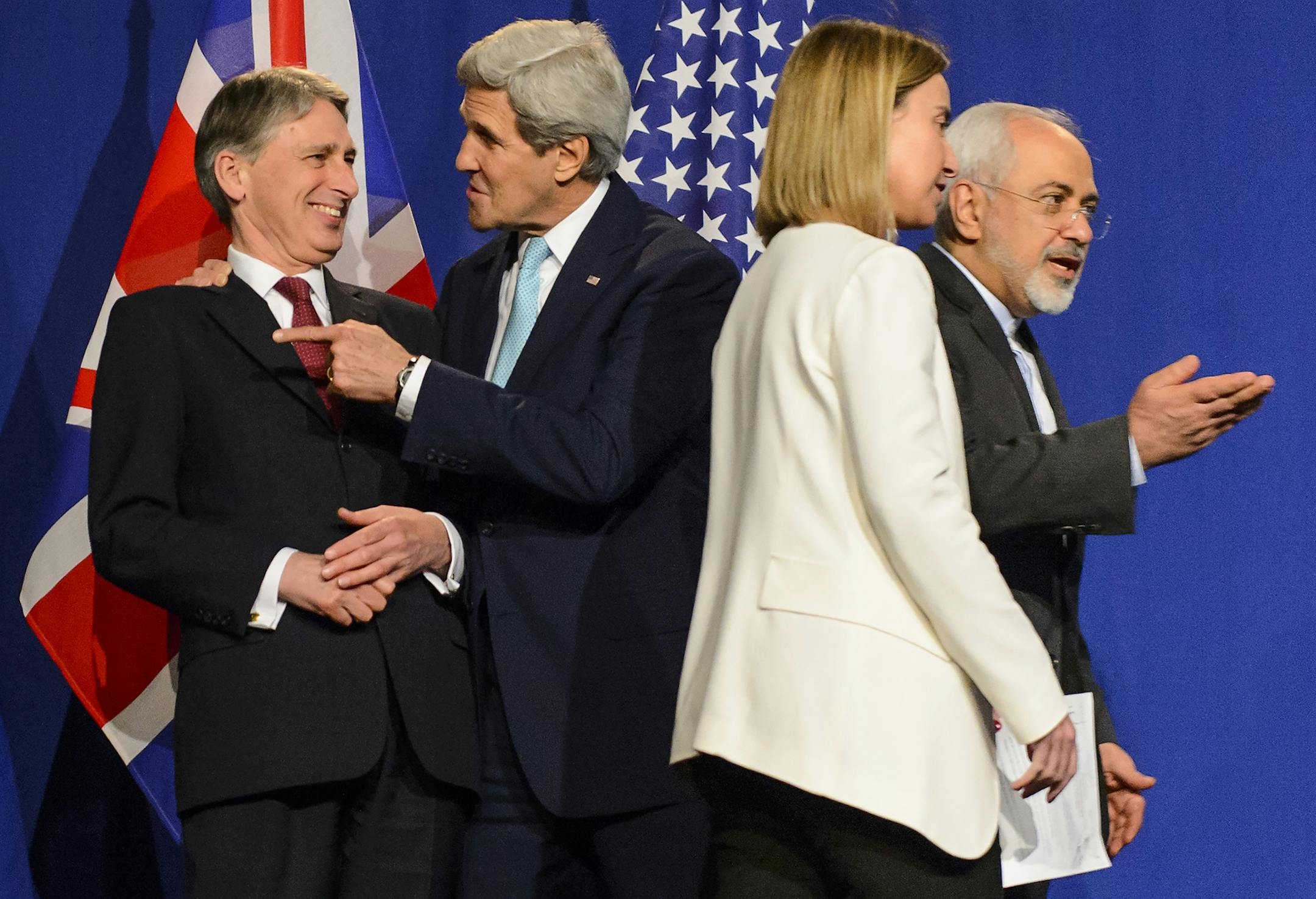
Both Germany's foreign office and President Hassan Rowhani of Iran said that the major parameters of a framework for a final accord had been reached, after eight days of intense debate between Secretary of State John Kerry and his Iranian counterpart, Mohammad Javad Zarif.
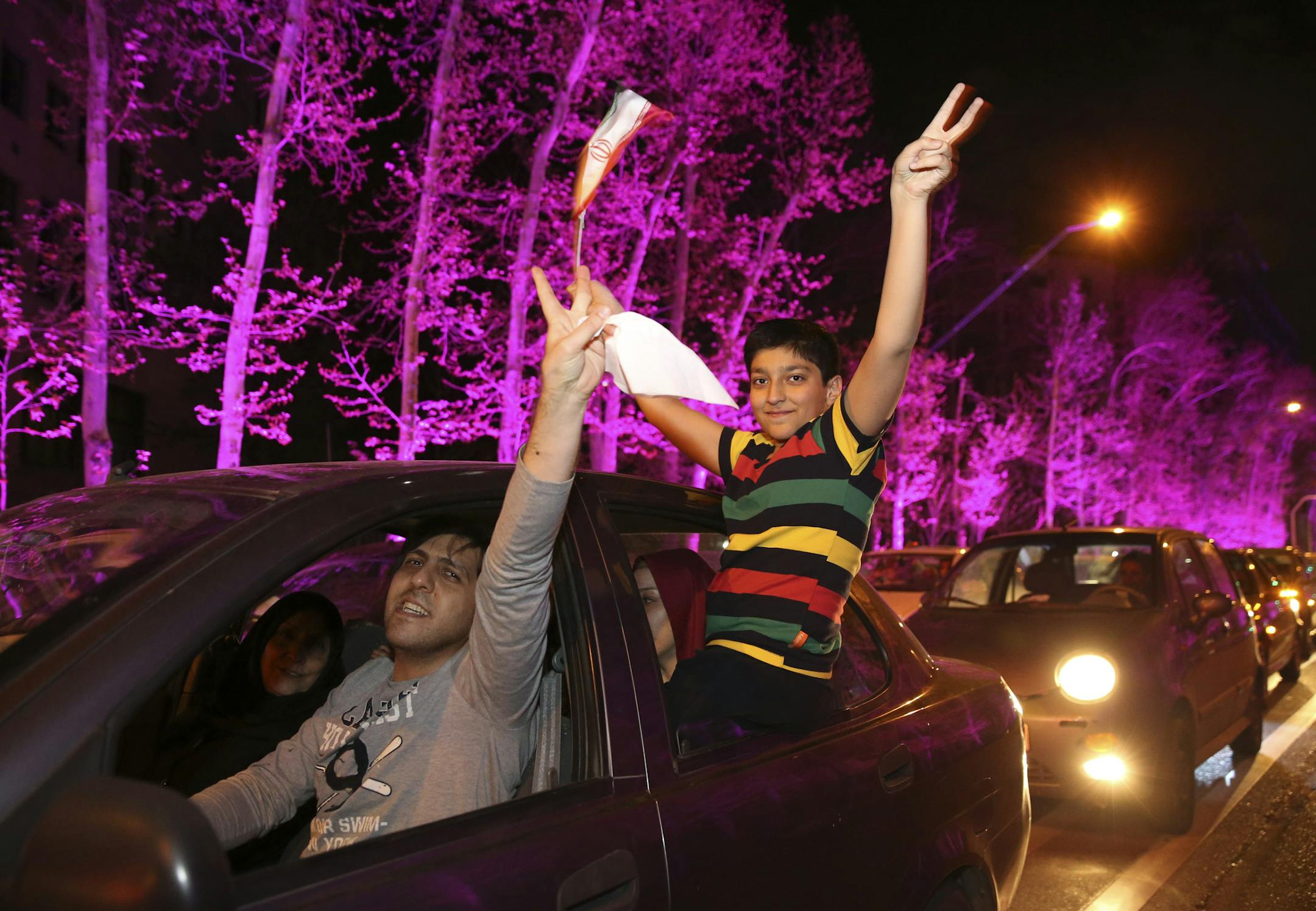
There was no mistaking the upbeat mood surrounding the announcement. "We have stopped a cycle that is not in the interest of anybody," an exuberant Zarif said at a news conference after the announcement.
Speaking from the White House, President Obama called it a "historic understanding with Iran" and made a strong case for the deal. He said that it "cuts off every pathway" for Iran to develop a nuclear weapon and that it establishes the most intrusive inspections system in history. "If Iran cheats," he said, "the world will know it."
Even two of the most skeptical experts on the negotiations — Gary Samore and Olli Heinonen of the Kennedy School of Government at Harvard and members of a group called United Against Nuclear Iran — said they were impressed with the depth of detail.
Samore, who was Obama's top adviser on weapons of mass destruction in his first term as president, said in an e-mail that there is "much detail to be negotiated but I think it's enough to be called a political framework." Just a day ago, that appeared in doubt.
Heinonen, the former chief inspector of the International Atomic Energy Agency (IAEA), said "it appears to be a fairly comprehensive deal with most important parameters." But he cautioned that "Iran maintains enrichment capacity, which will be beyond its near-term needs."