

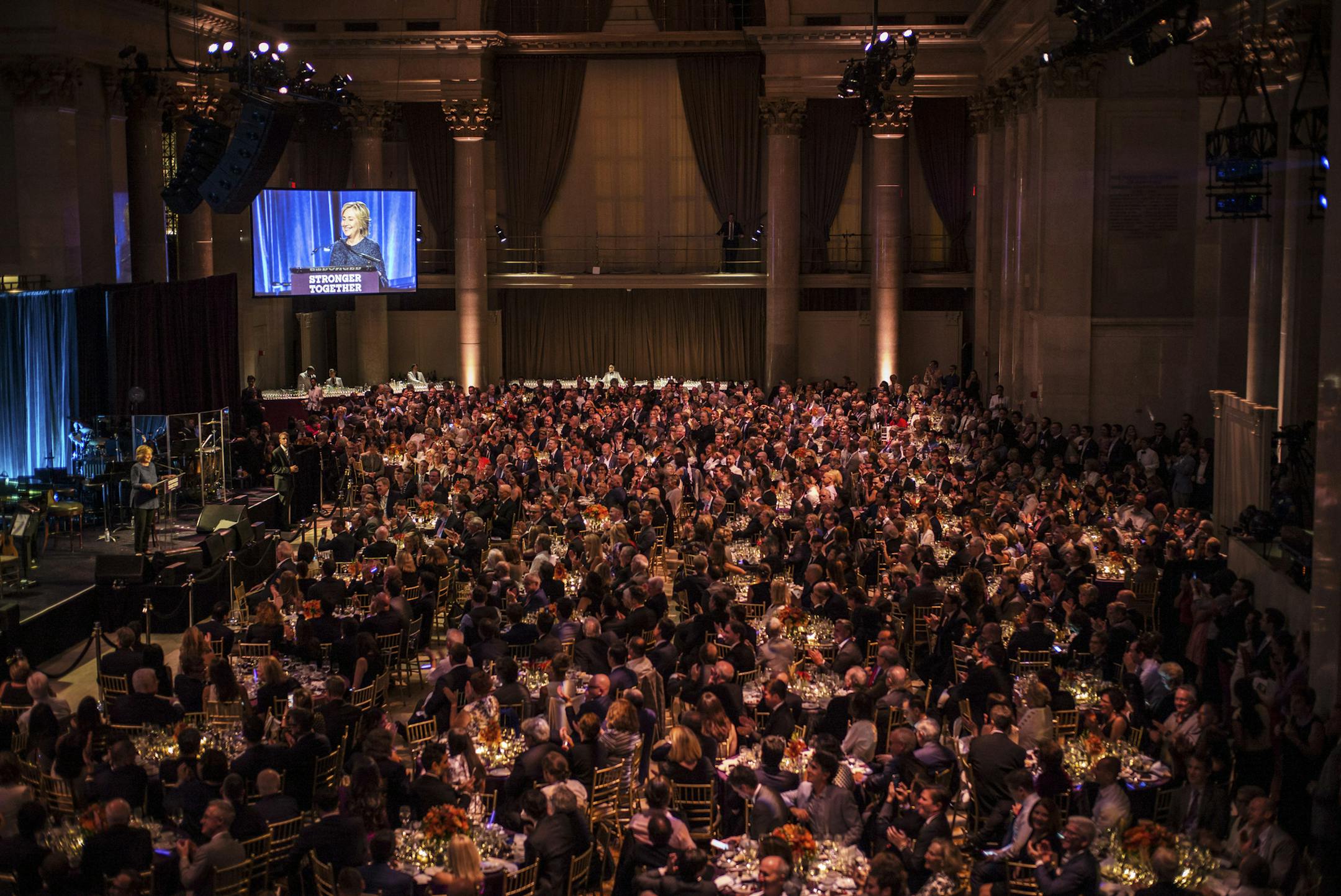
Substantive policy issues once again took a back seat as the presidential campaign refocused on name-calling over the weekend.
At a fundraiser on Friday night, Hillary Clinton said, "You know, to just be grossly generalistic, you could put half of (Donald) Trump's supporters into what I call the basket of deplorables. Right? The racist, sexist, homophobic, xenophobic, Islamaphobic — you name it. And unfortunately there are people like that." She then went on to call these people "irredeemable."
What is, in fact, deplorable is not only that Clinton said this but that she apparently believes it. There's no question that Trump is running a xenophobic campaign that's pandering to white nationalism and that a portion of his base enthusiastically embraces overtly anti-immigrant, anti-Muslim, misogynistic and racist views. But a far wider percentage of Trump's supporters fall into a gray area of more generalized resentment that is partly about identity but also about economic suffering. Clinton and liberals in general should be reaching out to these voters, not offending them.
Many of Trump's working-class white voters are resentful that the American Dream is slipping further from their grasp. They're right to feel this way. On average, their wages have effectively stagnated or declined over the past several decades.
And for the same period of time, conservatives have been systematically trying to convince white working-class voters that they shouldn't blame Republicans who vote against infrastructure jobs and minimum-wage increases while they give major tax breaks to the rich, and they shouldn't blame big corporations that have slashed wages and shipped jobs overseas while turning record profits. No, they should blame immigrants and black folks for supposedly stealing "their jobs" or lazing about on welfare benefits that come out of "their pockets."
Either unaware of or ignoring the fact that most people on welfare are white and average wages for people of color are still well below average wages for white folks, struggling whites see other long-suffering communities achieve even a wisp of a rhetorical promise of equal opportunity and feel as though they are, therefore, on the losing end.
When the top 10 percent of Americans control 76 percent of the wealth, that leaves just a little sliver left to be divided up among everyone else. And so it's easy to resent the other people who are making claims for more of that sliver — especially if you've been encouraged for decades to fight over the crumbs instead of fighting against the truly powerful and wealthy elite; and especially if that encouragement builds on centuries of racial antagonism.
The Republican strategy to deliberately stoke racial resentment to attract the loyalty of white voters who, like voters of color, are actually directly and overtly harmed by Republican policies — this is irredeemable. But the voters themselves are not. Their hopes and dreams are deeply inspiring and deeply American. And their anger and frustration with economic inequality is absolutely spot-on.


