

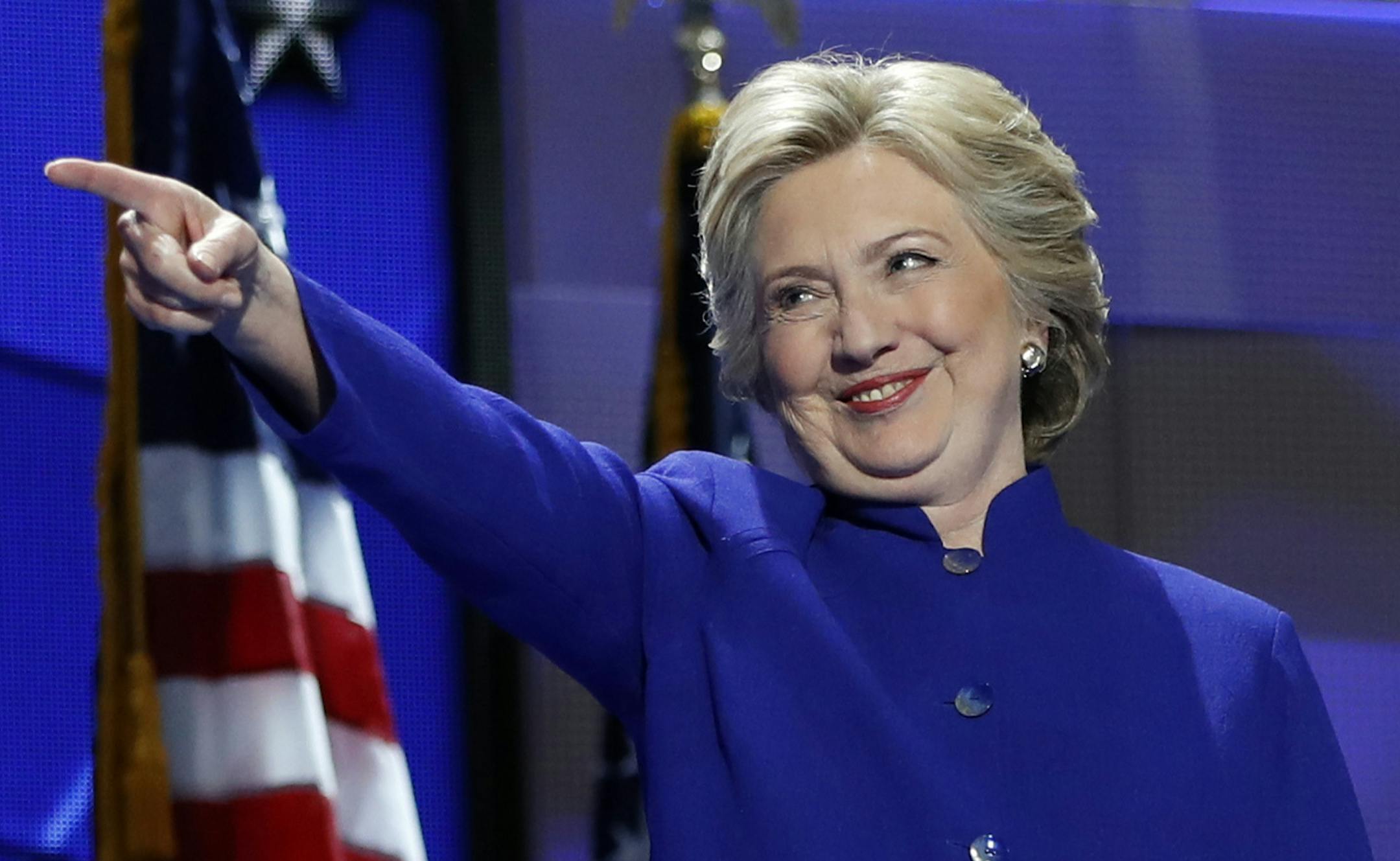
The theme of the Democratic convention was "Stronger Together," and the final day of the convention — and Hillary Clinton's acceptance speech — proved the point.
The speech itself? Clinton remains a second-rate orator, perhaps the equal of several previous nominees such as George W. Bush, Jimmy Carter and George H.W. Bush, as well as Mitt Romney, Bob Dole and Michael Dukakis. Her speech, like those delivered by all those men, was good enough.
What she lacks in skills, however, and what the speech lacked at time in craft, was more than made up for by the rest of the room, the pageantry and the historic occasion. Those who love her almost certainly loved it, and will be motivated to work harder (or donate more) for her cause. Those who hate her weren't watching anyway.
There were plenty of well-written and well-delivered bits. And most voters see and hear the sound bites (and will see and hear them over and over), not the whole thing.
Of course, we can't jump the gun on how it will play with those voters who aren't already solidly with her or against her. I saw several people — including some Republican operatives and pundits — say that the convention looked like a Republican convention. Tributes to American troops. Tributes to police officers killed in the line of duty. Plenty of patriotism, and plenty of religion.
But this was very much a Democratic convention.
Clinton talked about 1776 in Philadelphia, framing it as a story about the virtues of compromise, not as the product of men of genius. It's hard to imagine the Republican tea party, let alone the Trumpified GOP, cheering a story of compromise. Much later in the speech, Clinton used the issue of gun safety to again sell the virtues of reaching common ground, rather than play to the emotions surrounding guns in America (which Democrats did repeatedly throughout the convention).
Like several other speakers in Philadelphia, Clinton focused on Trump's boast that "I alone can fix" the problems of the nation. The author of "It Takes a Village" was ideally suited to parry that line. "No one," she told us, "gets through life alone."


