Halfway up the mountain, I stopped to catch my breath. We were climbing what looked to be the most desolate hillside in all of Ireland. There were no waymarkers, no farms, no people. Just jagged tree stumps, gray scree, a few scraggly sheep. Even Ireland's famous green had disappeared from the barren landscape. It looked like we were on the moon.
I took out my phone, punched in the number for our trip planner. "We're lost!" I wailed. His cheery response was reassuring. "Don't worry," he said. "In Ireland you're never really lost, only temporarily misplaced."
And then the line went dead.
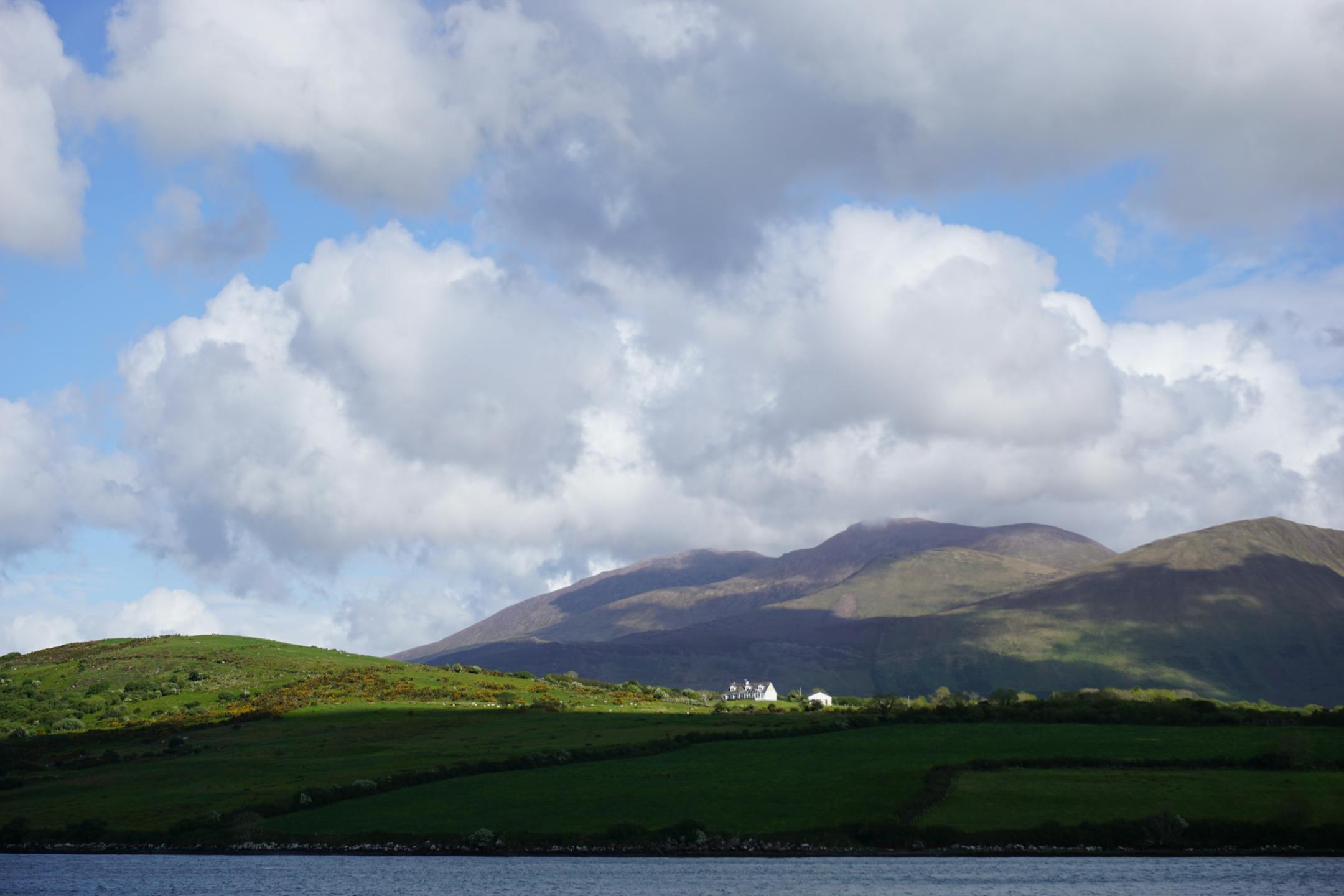
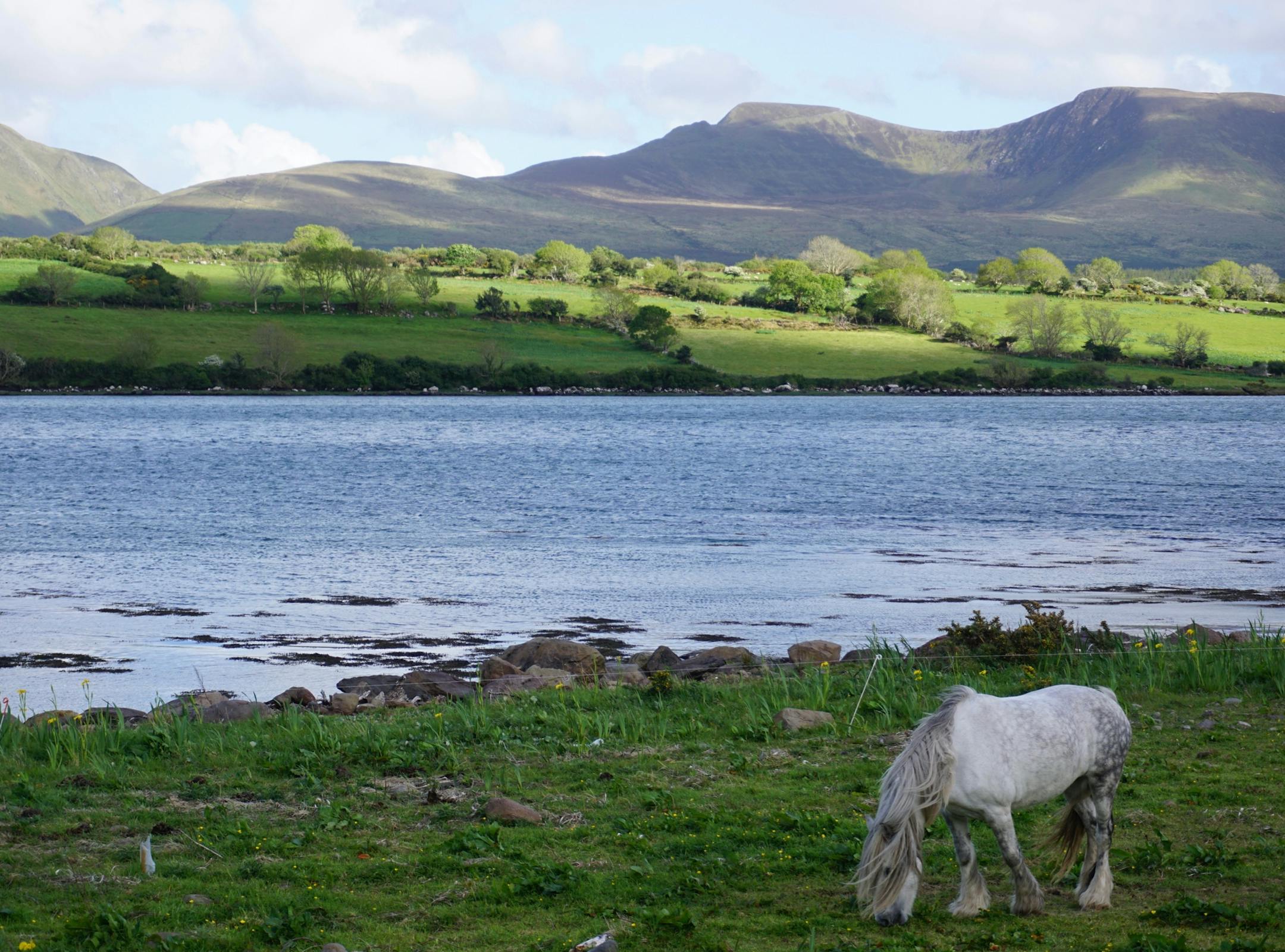
Over a week in May of last year, my husband and I hiked nearly 70 miles around the Dingle Peninsula on Ireland's southwest coast. Our route — the Dingle Way — took us across mountains, beaches and cliffs, through farm fields, over stiles, and down country roads. The views were stupendous: crashing blue ocean, diving terns, green patchwork hills, steep and dark mountains that disappeared into mist. We passed ancient ring forts, hundreds of stone fences, thousands of sheep. We saw a few other hikers, but mostly we were alone.
The hikes were long — between 12 and 17 miles — but with trekking poles and an all-day mind-set, they were no problem. This part of Ireland gets about 100 inches of rain a year, but we were lucky with blue skies every day but one.
Each night we slept in a different B&B, our luggage sent ahead, and we ate at pubs where there often was nightly music, though usually too late in the evening for exhausted hillwalkers like us.
The Dingle Way is a popular trail and even though I managed to do so, it's actually hard to get lost. The path is studded with signposts every mile or so; follow them and you will be fine. I can only attribute our first-day mishap to inattention and the fog of jet lag.
After our dropped call to our trip planner, we backtracked down the mountain and set off along a narrow country road, still unsure of our route.