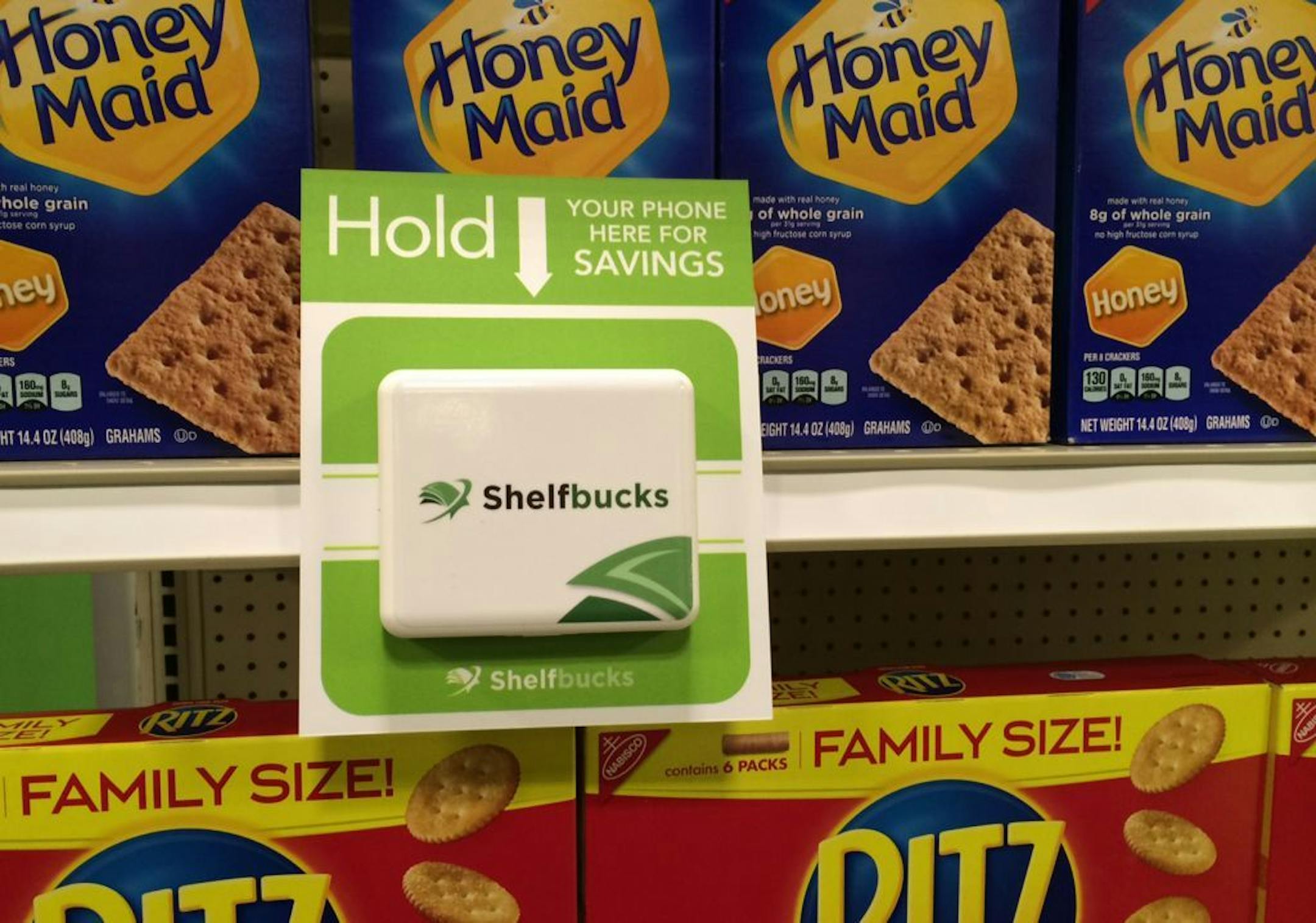
Standing in front of a mock-up shelf of crackers, Erik McMillan pointed a smartphone at a white, square contraption — a beacon — attached to the shelf. "Hold your phone here for savings," the sign above it said.
A "cha-ching" sound chirped from the phone, signaling that the consumer could see a range of content about those crackers that could include everything from a video about the product, customer reviews and perhaps most important, a coupon.
"Literally, you just walk around [the store] with your app and use it like a mouse — click, click," said McMillan, the exuberant CEO of the Austin, Texas-based start-up Shelfbucks.
For years, marketers have tried to tap into the human brain to better understand how colors, words and images might make consumers more inclined to buy a particular product.
Now they are looking for ways that technology can aid their efforts. They are experimenting with beacons that can send promotions to customers' smartphones when they're walking around a store. And they are tinkering with technology that can detect facial expressions to see whether a brand's message pleases or confuses someone.
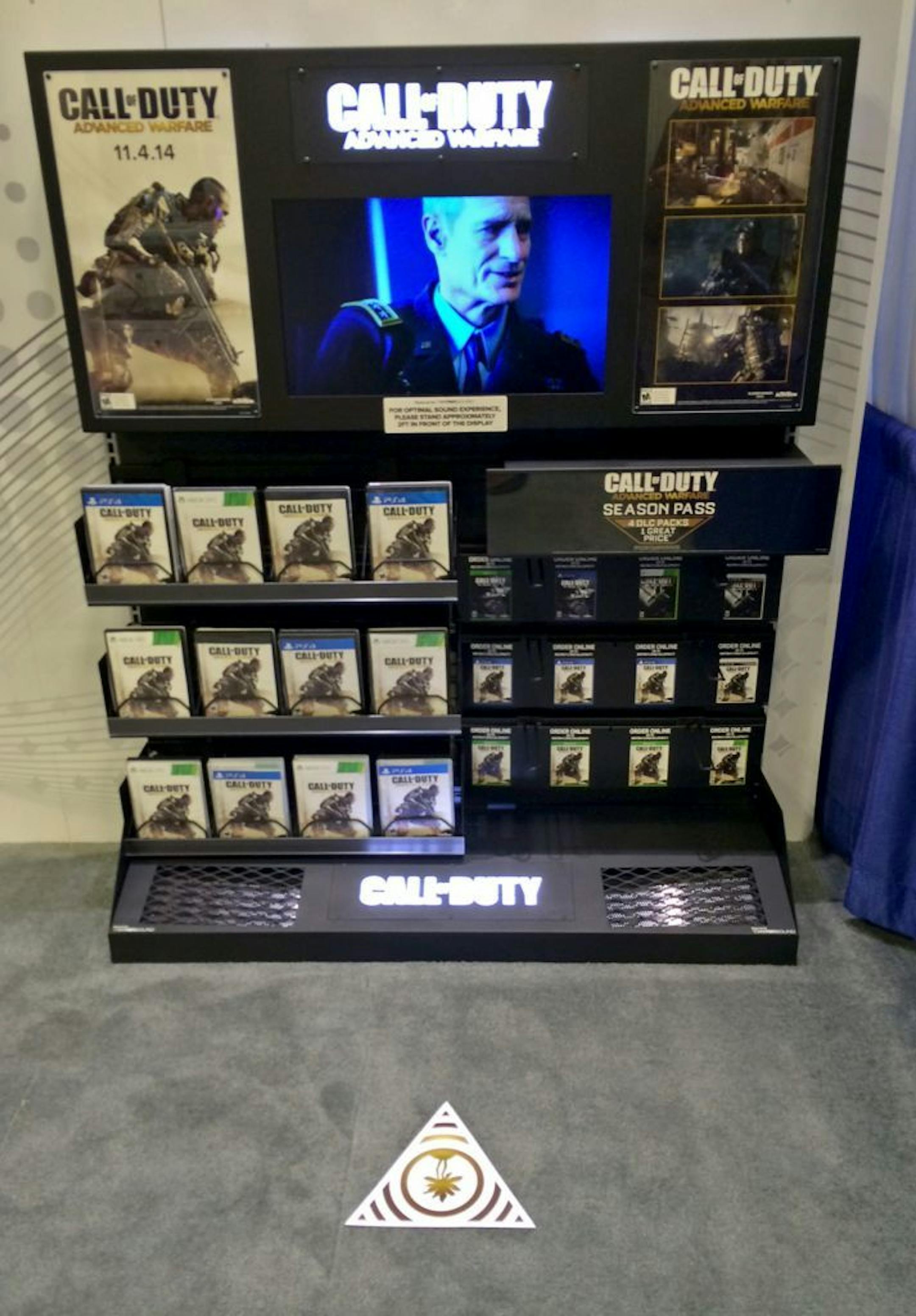
Retailers and brands got a preview of such futuristic sales techniques this week at the Minneapolis Convention Center, where more than 100 exhibitors showed off the latest innovations in store displays. Items on exhibit ranged from traditional corrugated box-type displays to souped-up high-tech kiosks.
Some 4,000 people were in town for the event, the Shopper Marketing Conference & Expo, where vendors tried to convince retailers and brands that new technologies will boost sales.
In a nearby aisle from McMillan, Michael Garel explained to passersby how his start-up, EyeQ, uses sensors in its "intelligent end caps" to detect when a customer stands in front of them. The displays at the end of aisles can also determine gender and provide content on the screen accordingly, such as showing a bike made for women to a female customer.