What if a high-tech audience didn't care about high-end sound?
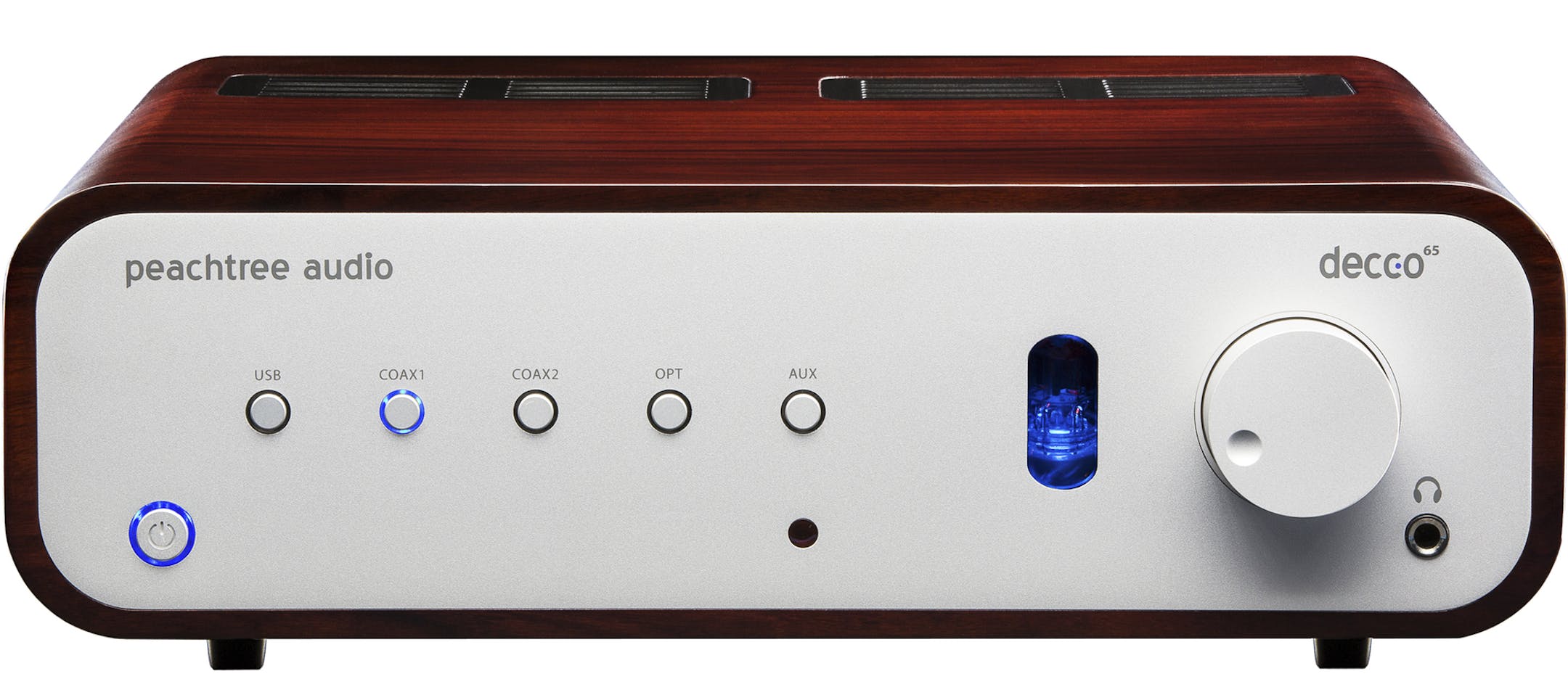
The Internet and digital technology have upended the music industry over the past decade or so, but high-end audio has arguably suffered an even greater blow. The industry's very raison d'être — the nitpicky pursuit of superb sound reproduction, no matter the cost or complexity — is irrelevant to many music listeners today.
People download MP3s from iTunes or websites and play them on their smartphones or laptops. They share songs with friends by e-mailing YouTube links. Sure, the music sounds flat, tinny, supercompressed; it's an audiophile's hell. But convenience and mobility rule the day.
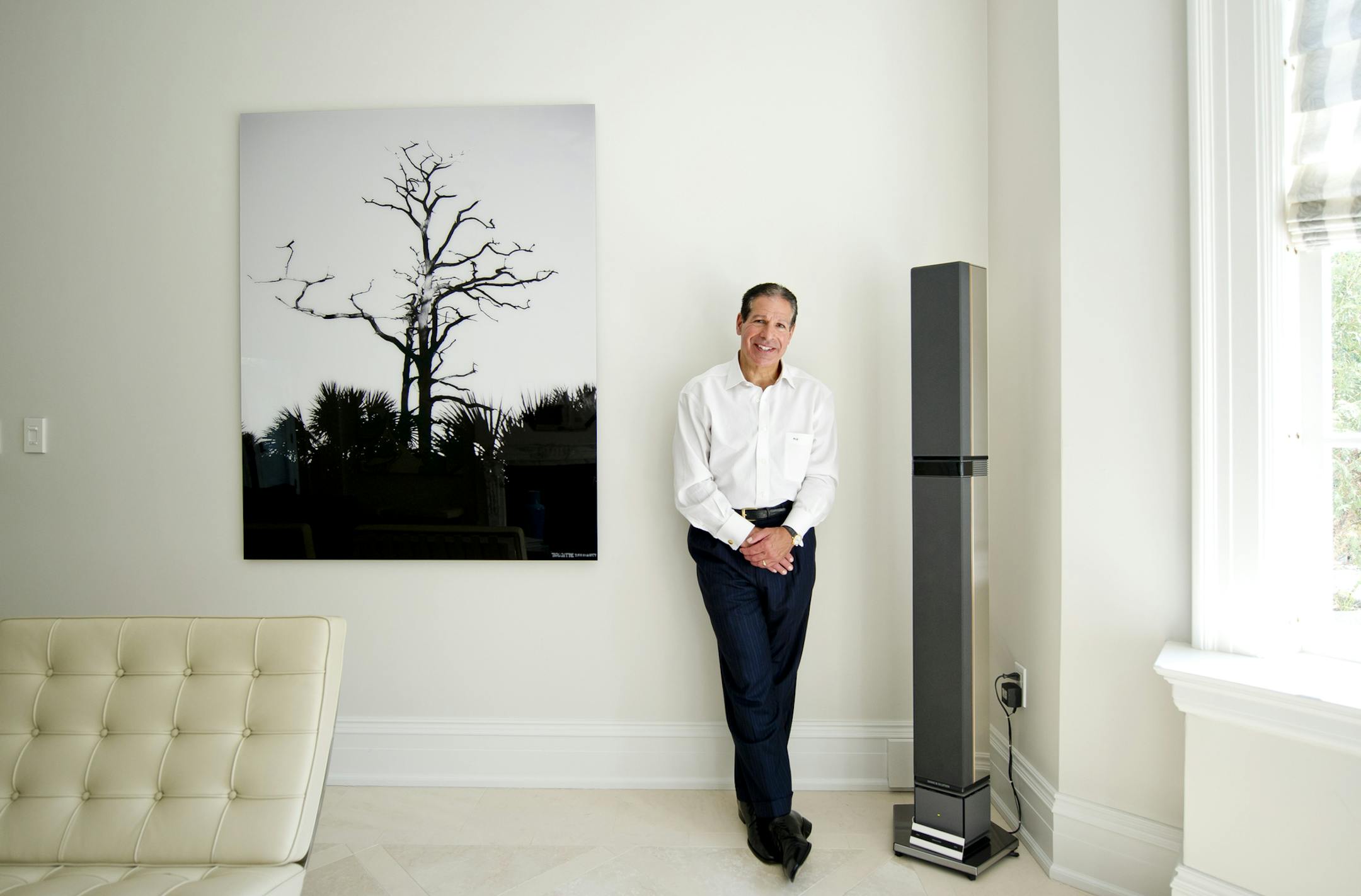
Ken Kessler, a veteran audio journalist, summed up the industry's problems last year at an audiophile conference in Denver. Speaking to a roomful of mostly middle-aged men, he said: "In the '60s and '70s, if you opened up Esquire or Playboy and they showed a bachelor pad, there was a killer sound system in it. Now, there's an iPod dock."
Apple devices aren't losing ground with bachelors or anyone else, and soon music may exist mainly in the nebulous "cloud." Still, there is a sense that after years of near extinction, a new generation of home audiophiles is emerging to follow in the footsteps of those bachelors from decades of yore.
The Needle Doctor in St. Louis Park is seeing increased interest in its inventory of audiophile equipment, and the new customers come from a wide range of ages and backgrounds.
"People are getting educated and learning that MP3 players while in theory are good, they're not an improvement across the board," manager Ken Bowers said.
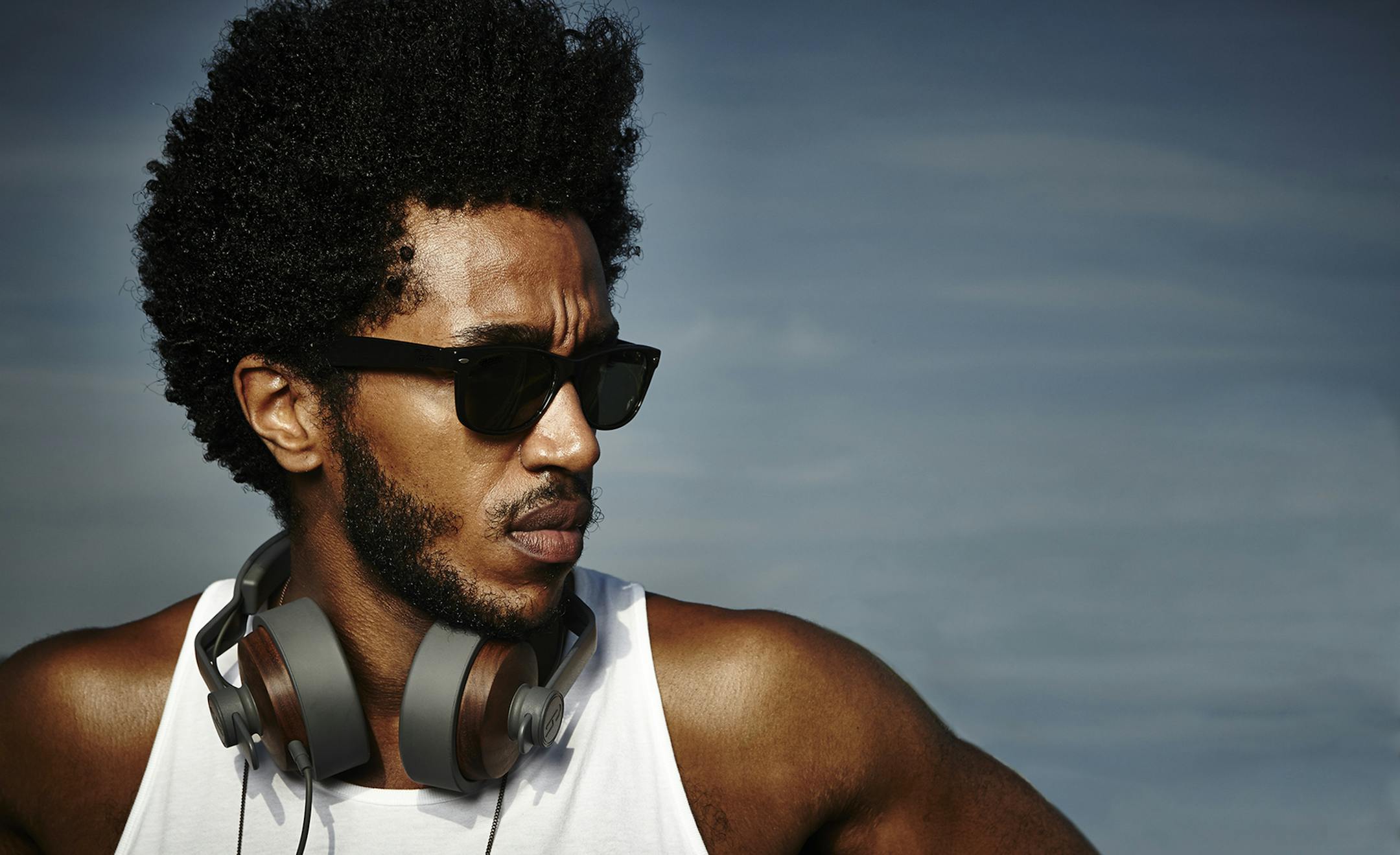
From the renewed popularity of vinyl (a trend not lost on retailers like Urban Outfitters, which now sells not just records but turntables alongside its clothing) to the sales explosion of high-end headphones like the $400 Beats by Dre, many younger music fans are seeking a listening experience that goes beyond an MP3 and a cheap pair of earbuds.