

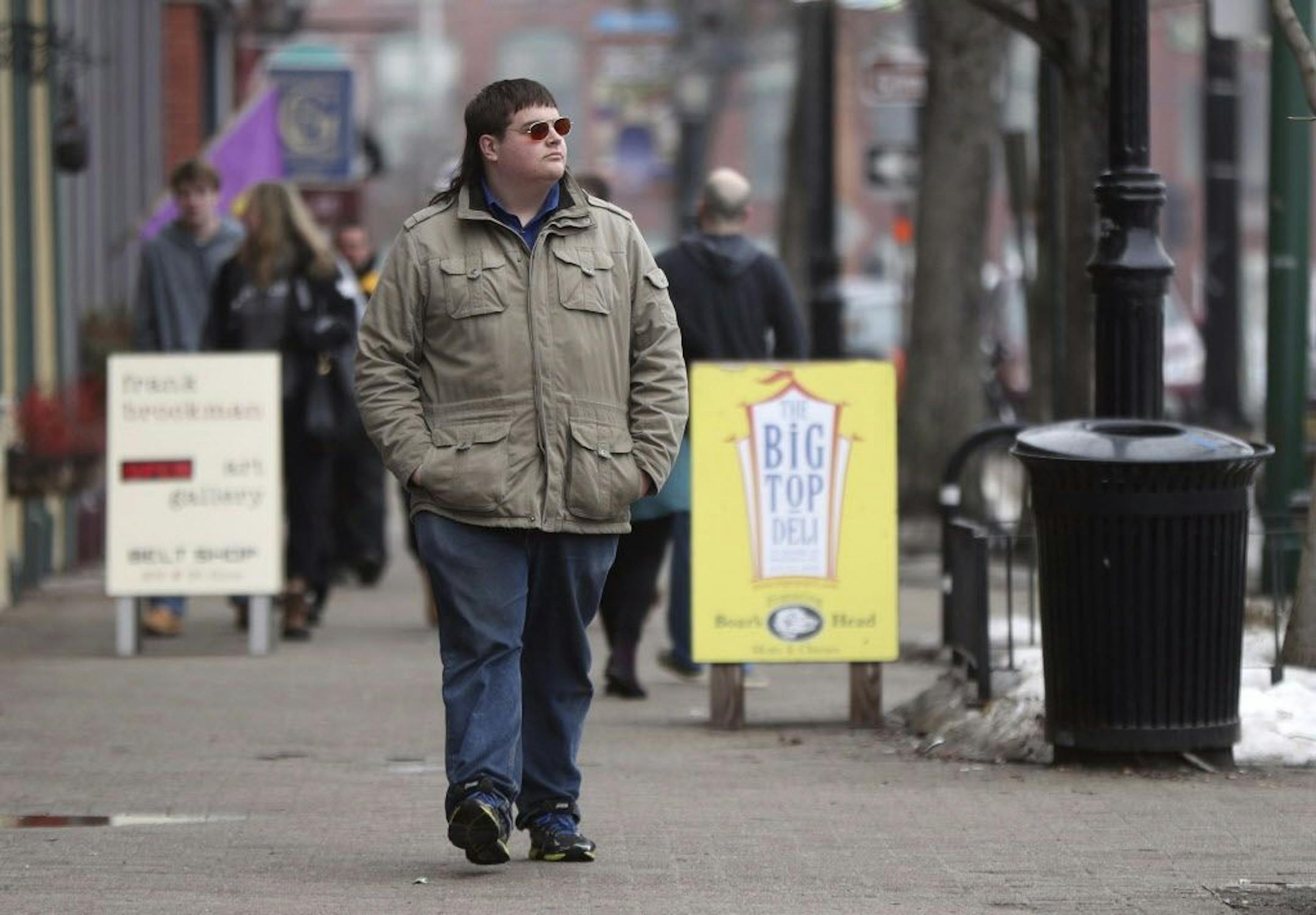
BRUNSWICK, Maine — Chaz Wing was 12 when they came after him. The classmates who tormented him were children, too, entering the age of pimples and cracking voices.
Eventually, he swore under oath, the boys raped him and left him bleeding, the culmination of a year of harassment. Though Chaz repeatedly told teachers and administrators about insults and physical attacks, he didn't report being sexually assaulted until a year later, launching a long legal fight over whether his school had done enough to protect him.
Chaz's saga is more than a tale of escalating bullying. Across the U.S., thousands of students have been sexually assaulted, by other students, in high schools, junior highs and even elementary schools — a hidden horror educators have long been warned not to ignore.
Relying on state education records, supplemented by federal crime data, a yearlong investigation by The Associated Press uncovered roughly 17,000 official reports of sex assaults by students over a four-year period, from fall 2011 to spring 2015.
Though that figure represents the most complete tally yet of sexual assaults among the nation's 50 million K-12 students, it does not fully capture the problem because such attacks are greatly under-reported, some states don't track them and those that do vary widely in how they classify and catalog sexual violence. A number of academic estimates range sharply higher.
"Schools are required to keep students safe," said Charol Shakeshaft, a Virginia Commonwealth University professor who specializes in school sexual misconduct. "It is part of their mission. It is part of their legal responsibility. It isn't happening. Why don't we know more about it, and why isn't it being stopped?"
Elementary and secondary schools have no national requirement to track or disclose sexual violence, and they feel tremendous pressure to hide it. Even under varying state laws, acknowledging an incident can trigger liabilities and requirements to act.
And when schools don't act — or when their efforts to root out abuse are ineffectual — justice is not served.


