

I was on the treadmill watching CNN as the drama of the NASA press conference unfolded. Speculation had been going on for days about the topic. Could there possibly be life in outer space?
I have been a little skeptical about NASA ever since being involved with it on a crystallization project in the 80s, when I worked at 3M, fondly remembered by me and other old-timers as The Mining.
At that time 3M took the now unfashionable step of forming something they called the Science Research Laboratory (SRL) where we were to do basic science with high potential for industrial applications.
It was a marriage made in limbo. 3M wanted to claim that it was doing cutting edge research, and NASA wanted to demonstrate that its work was of interest and applicability to industry.
What came of this? Some work on perfectly round spheres and more perfect crystals than could be grown on earth. The junior executive running our lab got to fly to Florida for launches. Friends from as far away as Germany sent me pictures of outer space grown urea crystals that had appeared in their local papers. One sarcastically asked if this was the work of Dr. Gleason.
When the time came to put money on the table, 3M demurred. But NASA's interest in crystallography in space did not end. About that time I went to a national crystallography meeting and there a NASA rep asked if NASA could do anything for the community, like put a diffractometer in space. This never happened. To be fair, many excellent crystallographers actually got money from NASA for crystal growth experiments both on earth and in space. To a certain extent, when this country was flush, I don't see a problem. As the Great Alinsky put it, if you can't get people to do the right thing for the right reason, get them to do it for the wrong.
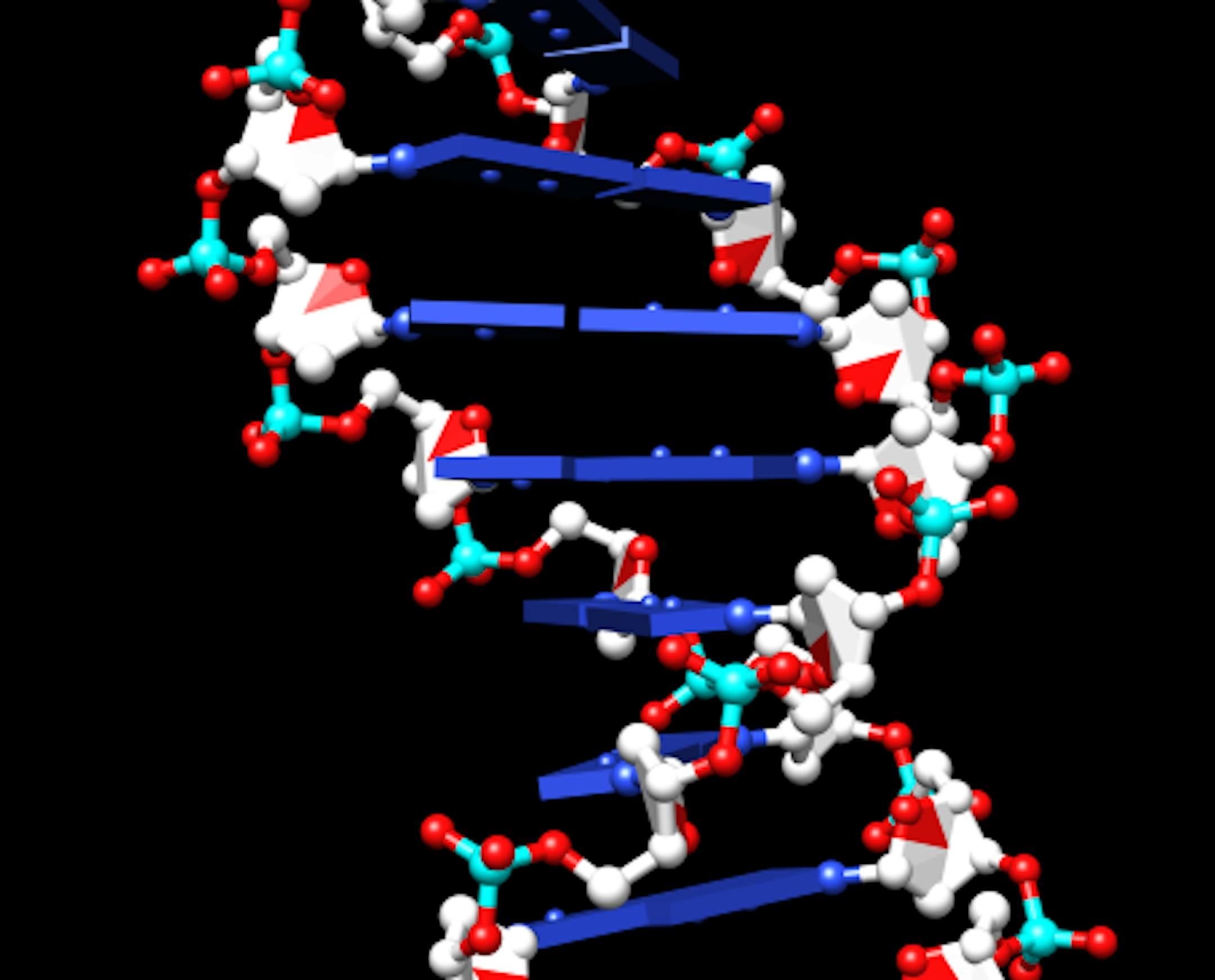
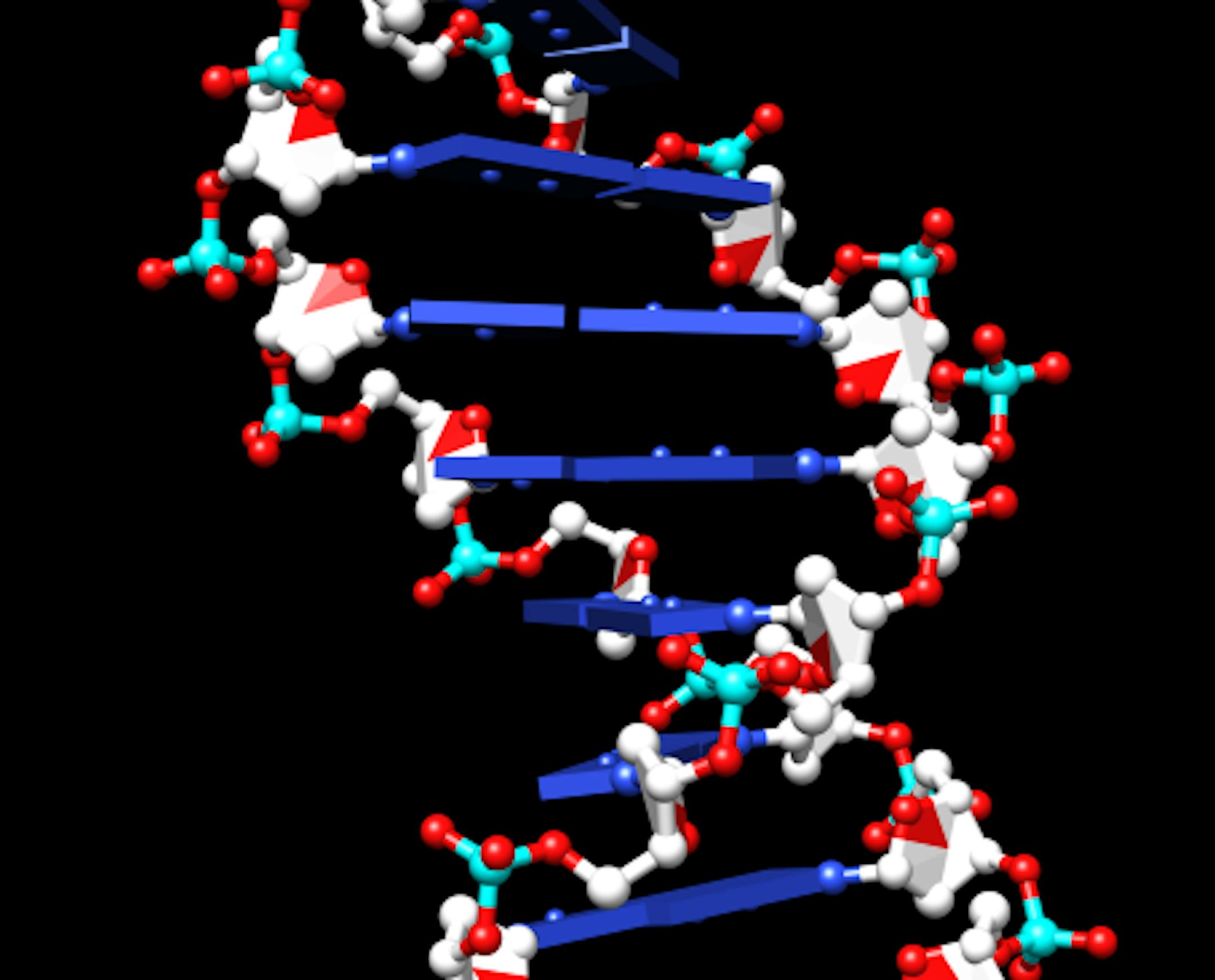
When the presser finally arrived, there was at first disappointment because it was not about discovery of little green men or their biological equivalent. It was about a bacteria that use arsenic in place of phosphorous. To me the most startling—and possibly wrong—conclusion was that phosphorous had been incorporated into the DNA backbone as illustrated in the figure above.
Now to me DNA is one of those magic molecules. I was born in 1945 and have grown up watching its story unfold. As a young prof, before good models or computer graphic were readily available, I can remember using Oreo cookies, shoestrings, and paper plates to illustrate the DNA structure.


