

Heavy rains wiping out crops, the Baltic Sea freezing over, unusually powerful earthquakes triggering tsunamis, and the largest flood recorded in central Europe. Top it off with famine, plague and social unrest, and people began talking about the end of the world - in the early 14th century.
These days, 14th-century Europe sounds a bit familiar in the wake of Hurricane Sandy. Blogs, polls, newspapers and politicians have all called the massive storm yet more proof that cataclysmic manmade global warming is at the doorstep, and they have stated that action must be taken now.
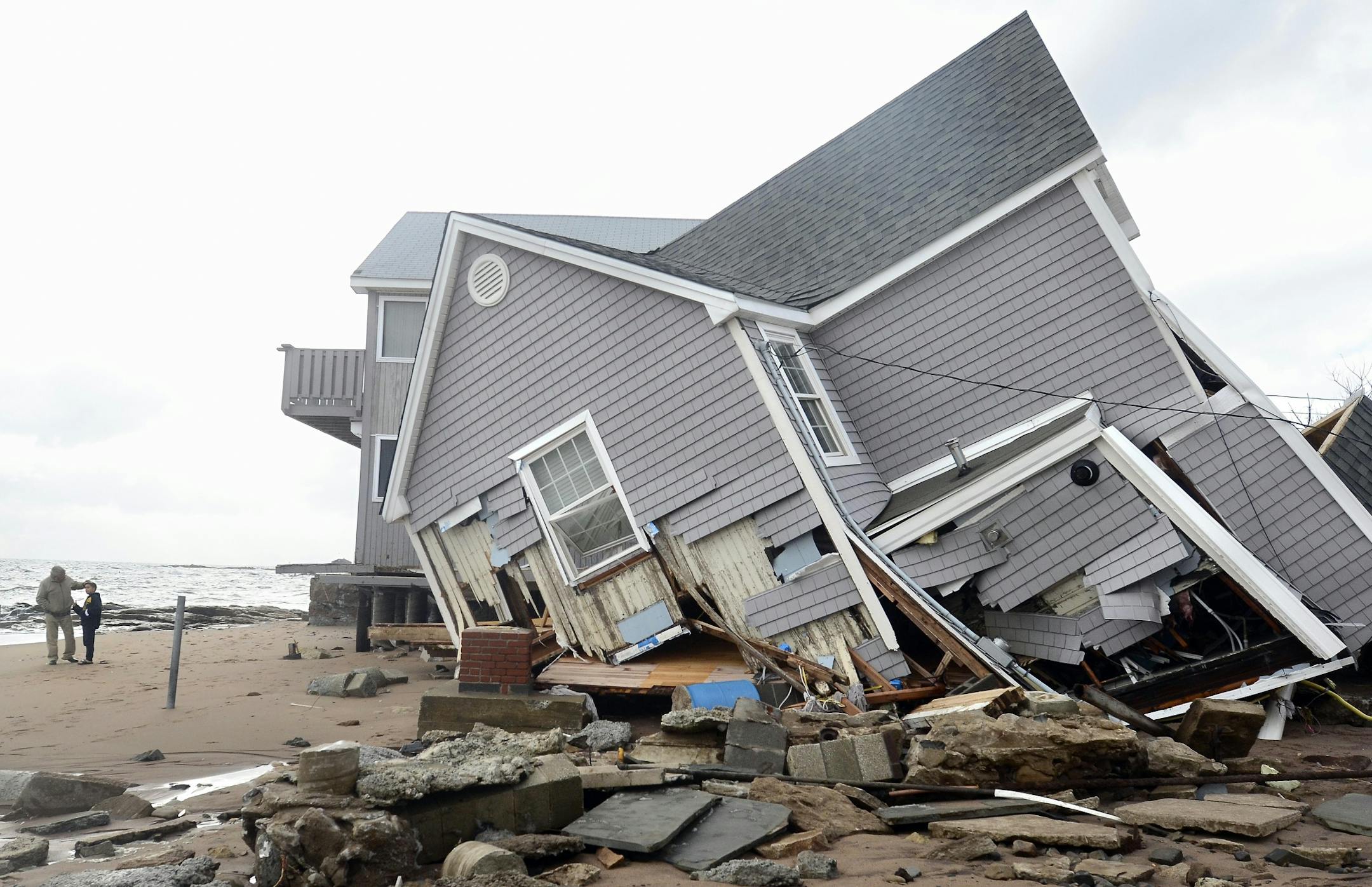
Make no mistake: The storm's damage has brought great hardship to the Northeast - and right before winter. In the wake of such devastation, it is reasonable to look for a cause and explanation for suffering.
But regardless of what the truth is about manmade global warming or how fast the climate is changing, no one can rightly attribute Sandy to its effects. The world is much more complex than a grade-school diorama of the ecosystem and atmosphere, where cause and effect are contained within the four walls of a decorated shoe box. A bigger and longer perspective is necessary to understand Sandy in context.
Sandy was not an unprecedented storm. New York has been hit by large hurricanes before - the difference being that millions of people and billions of dollars of infrastructure did not cover the area at the time. In Sandy's case, the hurricane collided with a massive cold front from Canada and hit the Northeast during a full moon and high tide. The alignment of events could not have been more conducive to a massive storm.
Broadening the perspective beyond New York is also important. Most news has looked back at the last 40 years to show that big storm frequency is up. But step back further to look at the last 200-plus years, and some scientists suggest that, at the least, "natural variability dominates tropical storm activity in the Atlantic to the point that any global warming influence, if it exists, is still undetectable."
The Telegraph reiterates the need for context: "There are enough unknown factors in the complex and chaotic climate system for it to surprise us entirely. But more important, because hurricanes are relatively few in number, it's difficult to sort out signal from noise."
It is wrong of politicians to use Hurricane Sandy as a chance to squeeze more money out of the federal government or legitimize global warming policies that impact the health of the economy instead of the health of the environment. Sandy instead should cause leaders to take stock of poor decisions that were made long before the storm and have made its effects so devastating.


