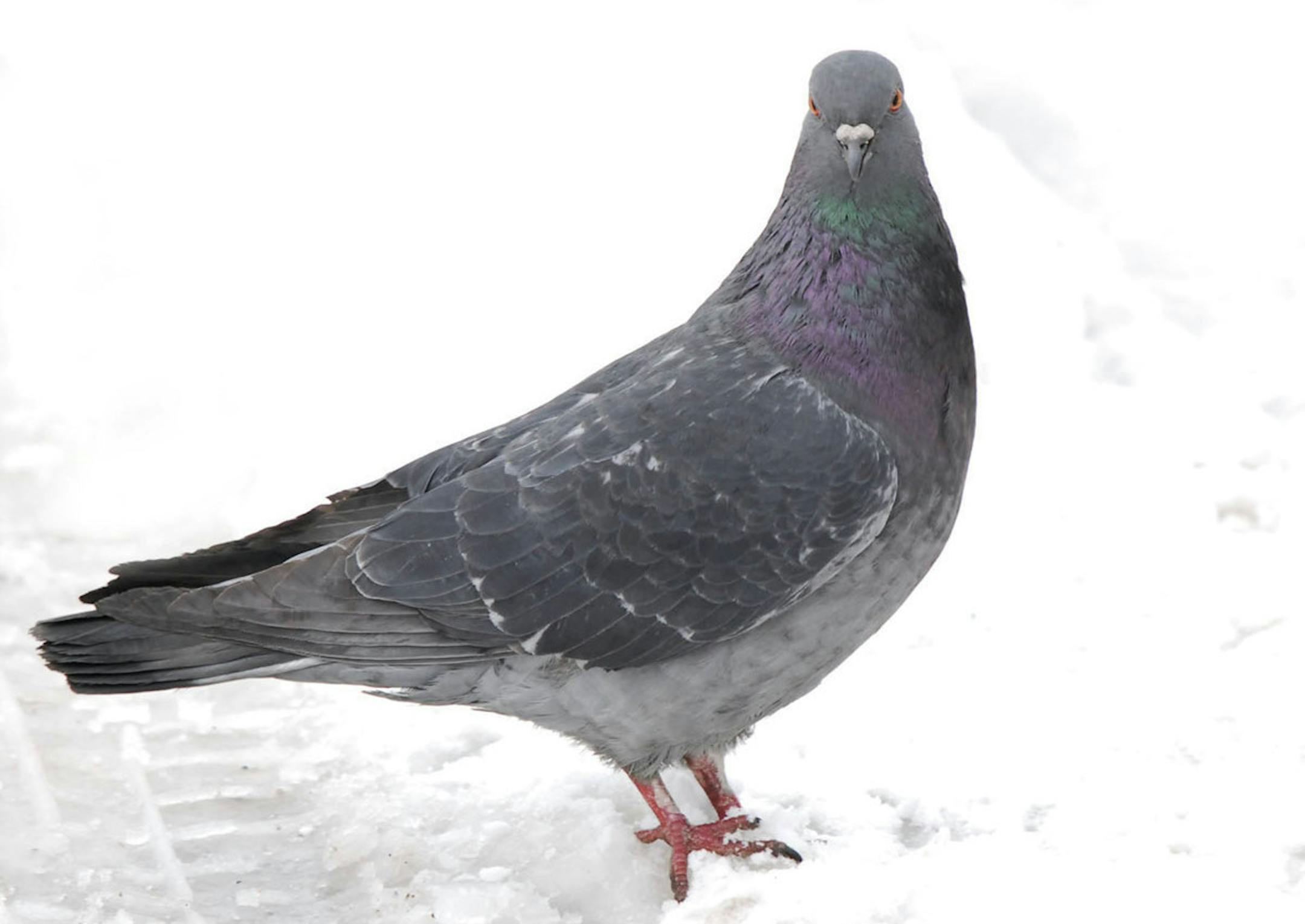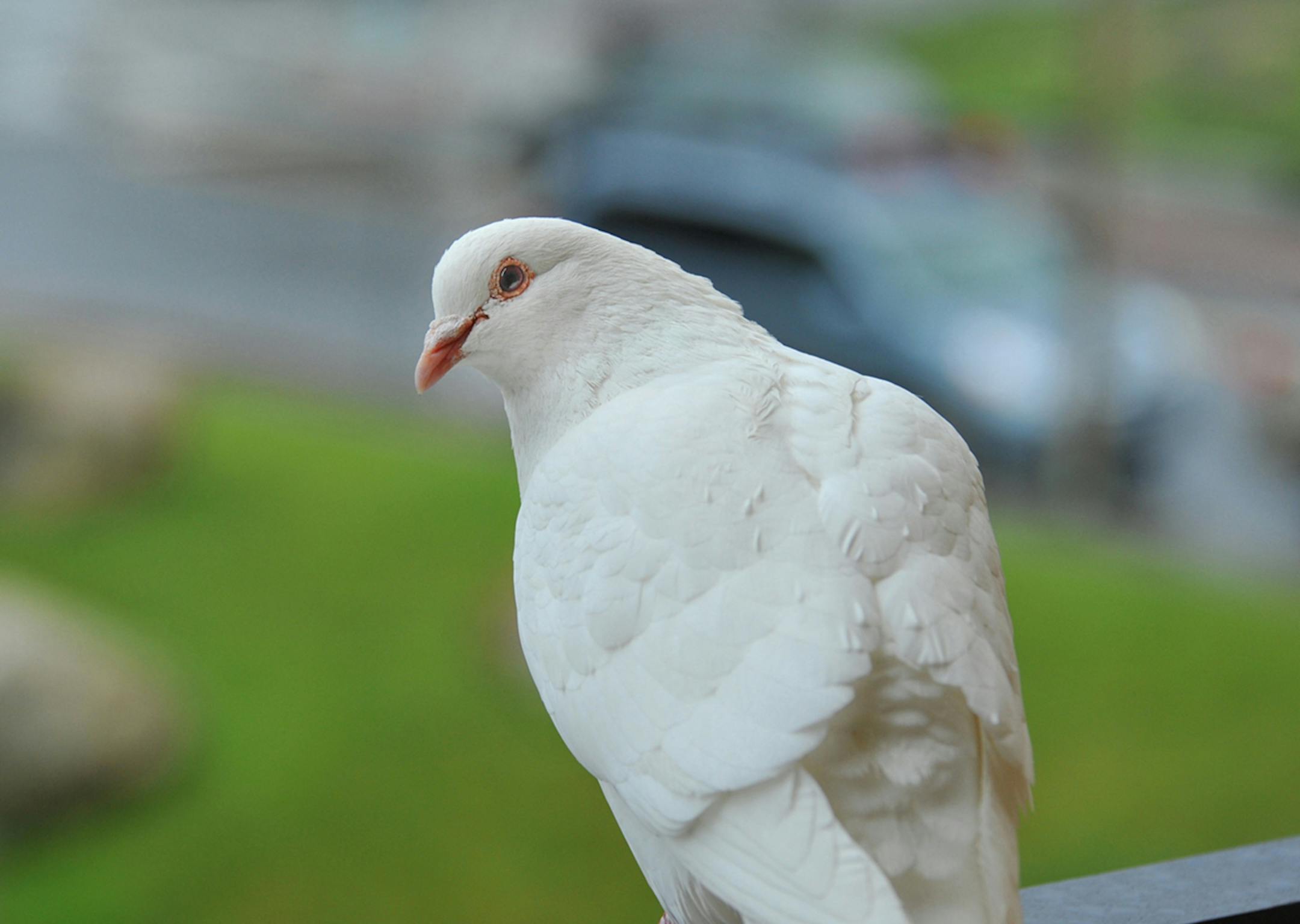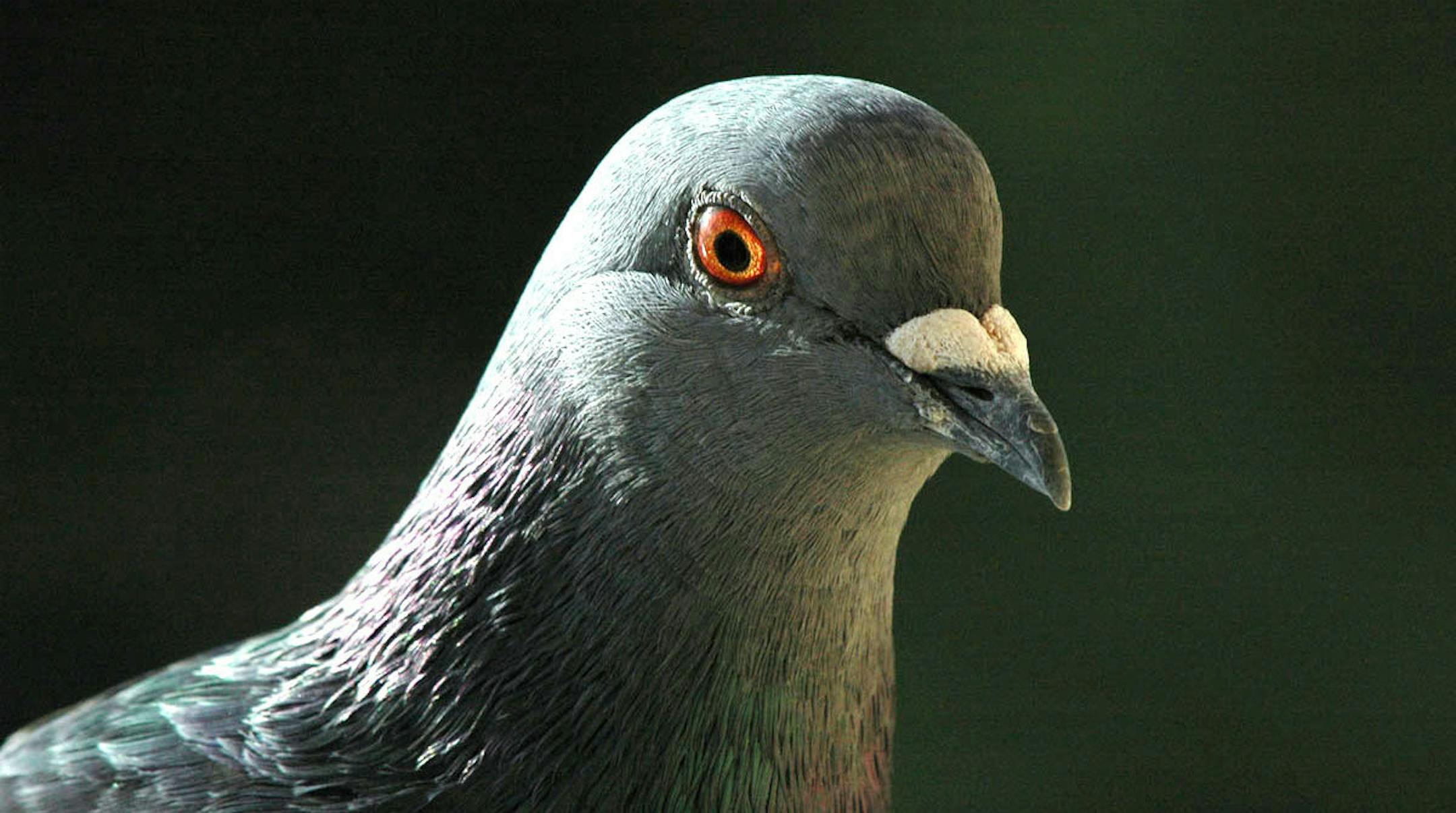
Someone asked me the other day what my favorite bird is. Today it's pigeons.
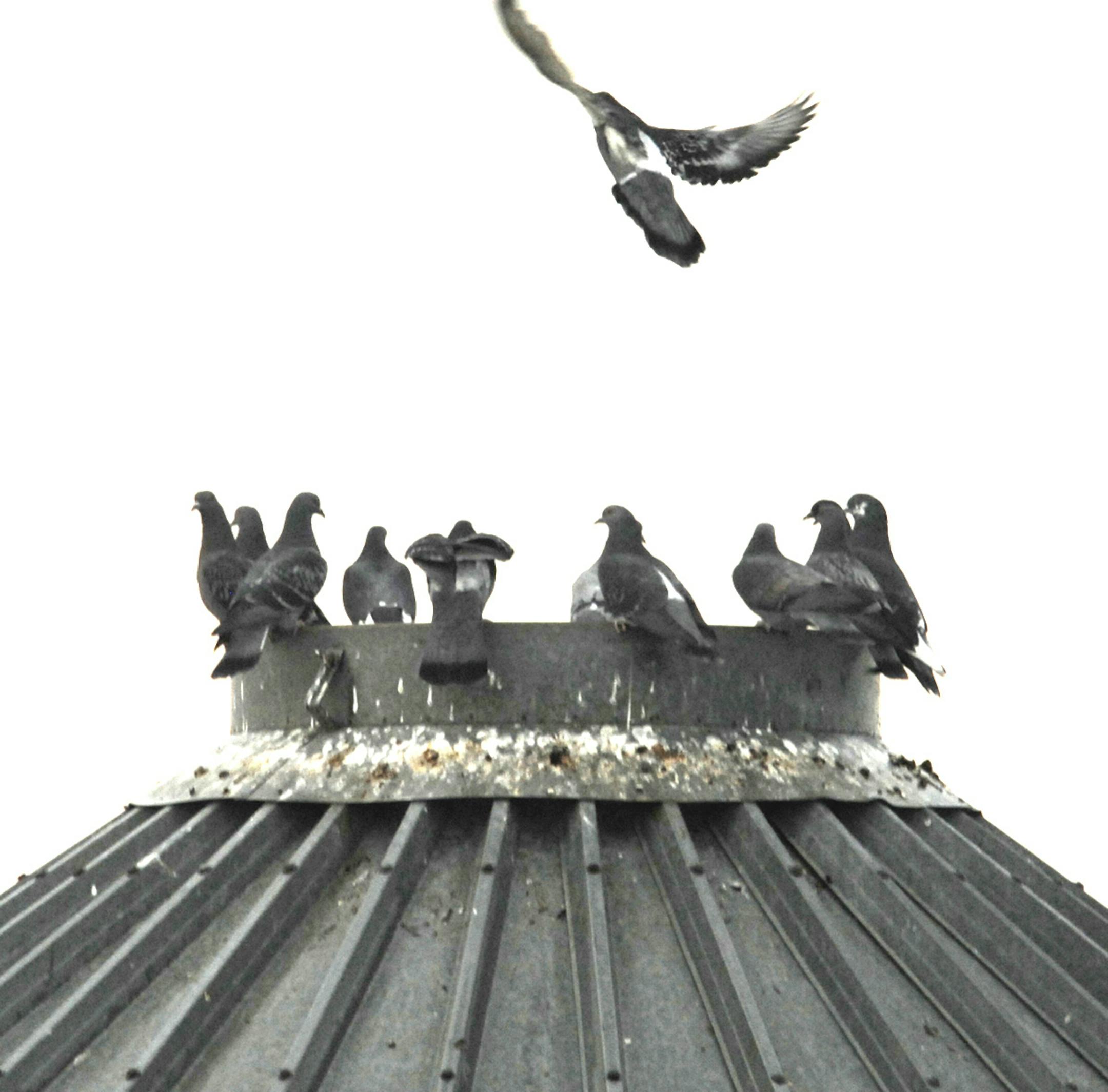
I love the way flocks of pigeons fly. They swoop and glide, pump up speed, then float. They circle, they soar. Pigeons display the pure joy of flying. They fly like they're having fun.
There's a small flock of pigeons living in a parking garage in downtown Wayzata, behind the Caribou Coffee shop. Now and then I'll see them airborne, circling. They fly hard, wings strumming, speed building. They're reminiscent of a playground merry-go-round, pushed as fast as you can run, ridden with wind in your hair.
Pigeons don't migrate. They're loyal to their neighborhoods. The Wayzata birds come out now and then, fly in circles, returning to whatever pigeons do to kill time.
Pigeons like urban parks. Being granivorous — eating grains and seeds — pigeons like farms with silos. They like grain elevators. They like large, open public spaces, like St. Peter's Square in Rome or Loring Park, where people feed them. Pigeons forage for food, but can live on handouts.
Pigeons can be found near highway bridges because their understructures often have flat surfaces that attract nesting and loafing birds. The birds, introduced to North America 400 years ago, are cliff dwellers in the wild. Bridges and window ledges on downtown buildings are wonderful cliff substitutes.
(If you have pigeons loitering at your house, perhaps to your annoyance, there is a simple way to get rid of them. They build flimsy nests so they avoid slanting surfaces because eggs roll. Create pitch where the birds roost or nest.)
The good with the bad
Pigeons are beautiful but dirty birds. Not dirty like muddy, but dirty like droppings.