
Hennepin County proposal to end leases at buildings housing services for minorities draws fire

The County Board will consider more data at a meeting Thursday, with a decision possible as early as June 2.

May 23, 2020 at 5:50AM
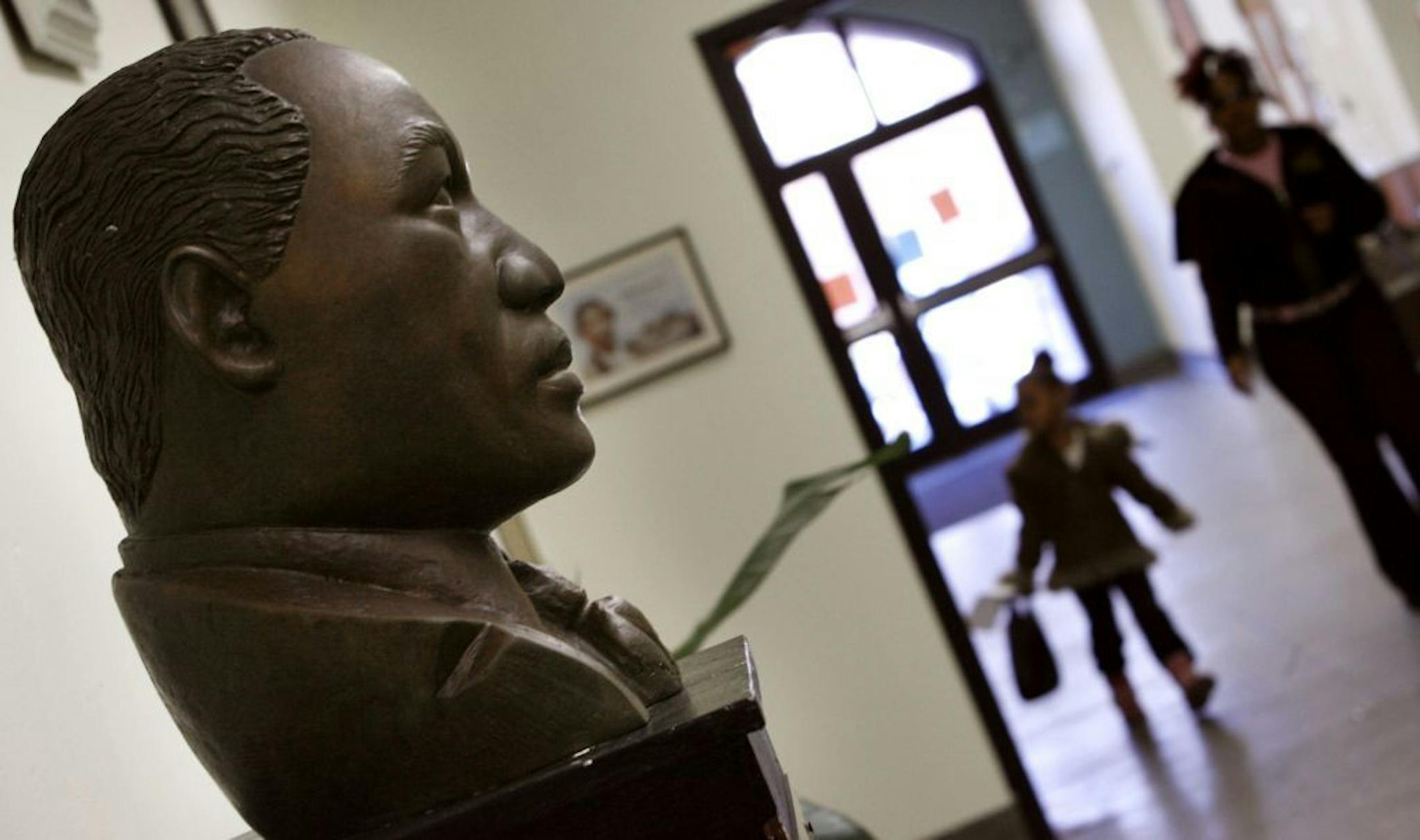
JERRY HOLT ï jgholt@startribune.com 1/12/2006-----A bust of Martin Luther King Jr. occupies a prominent place in the main hallway at the Sabathani Community Center in South Minneapolis. Sabathani was launched in the height of the civil rights era. GENERAL INFORMATION: JERRY HOLT ï jgholt@startribune.com 1/12/2006-----Portrait of Jim Cook the executive director of the Sabathani Community Center for the last 25 years. Sabathani launched in the height of the civil rights era as a small home-based y
The main hallway at the Sabathani Community Center in south Minneapolis. Sabathani, which housed Bryant Junior High. was launched in the height of the civil rights era. (Star Tribune/The Minnesota Star Tribune)

A proposal by Hennepin County officials that would save money by discontinuing leases at three south Minneapolis buildings providing services to racial minorities has drawn heavy criticism from black community leaders.

The plan, unveiled Thursday at a County Board committee meeting, would cancel the county's $237,000 lease for office space at Sabathani Community Center, which houses a major food shelf and 30 nonprofit groups.

Commissioner Angela Conley denounced the proposal at the meeting, and in an interview called it a "travesty."

"Hennepin County has a long history of cutting costs on the backs of communities of color. ... By pulling out of these leases we put these organizations in jeopardy," she said.

Conley also criticized a proposal to end a $230,000 lease at the Powderhorn Building, which houses a youth program, Circle of Discipline, and a proposal to cancel a $22,000 lease at the Division of Indian Work. Both are on E. Lake Street in south Minneapolis.

Other commissioners disputed the notion that racial minorities were being targeted.

"I think it's hard to say that the county has not invested substantial sums of money on communities of color, and it is hard to say that County Administrator David Hough has not been conscious of the disparities that exist," said Commissioner Jan Callison.

The board will consider more data at a meeting Thursday, with a decision possible as early as June 2.
Other building leases also might face the ax if the plan is adopted. Jodi Wentland, assistant county administrator for human services, said the county has continued to provide uninterrupted services to clients with most staffers working remotely from home.

Most of the county staff will not return to work in county buildings this year, she said, so there's a need to plan for the rest of 2020. With revenue losses because of the coronavirus pandemic, she said, there's a need to see how the county might save money by consolidating work at existing service centers.

Circle of Discipline offers "wonderful services" and if the lease ends, "we would partner with them" to help, Wentland said.

She said the county would talk with the other groups at Sabathani about how they might work together to continue services.

Wentland said the county plan was "preliminary," and County Board Chairwoman Marion Greene noted that the "the board asked [Hough] to start this conversation."

Still, some community leaders condemned the proposal.

"The cut is going to hurt us considerably," said Bill English, vice president of the Sabathani board and a founder of the center. "They might as well shut us down."

Added Sabathani interim executive director Mary Merrill: "The community will find a way for it to survive but it is going to be very, very difficult."

Some 450 youths, mostly minorities, were served by Circle of Discipline in 2019 with programs that included amateur boxing and advocacy for families.

"It's par for the course that people who have done the most with the least amount end up getting the short end of the stick once again," said Jeanne Montrese, vice chair of the Circle board.

Andrea Jenkins, vice president of the Minneapolis City Council, also weighed in.

"I am absolutely shocked and flabbergasted at the proposal at a time when every single indicator in our city, in Hennepin County, and our country tells us the coronavirus has disproportionately and deleteriously impacted peoples of color," she said.

"I think it's shortsighted, I think it's hasty and I think it's reckless," said state Sen. Jeff Hayden, DFL-Minneapolis.

But Callison said that government "should be about transparency. We purchase services from our partners. We don't typically provide operating subsidies to certain select organizations."

Commissioner Jeff Johnson said the proposal includes cutting the lease at one building in his district in northwest Hennepin County.

"We don't want nonprofits to go under," he said, "but if they are only surviving because of the rent we are paying, the whole mode is problematic."

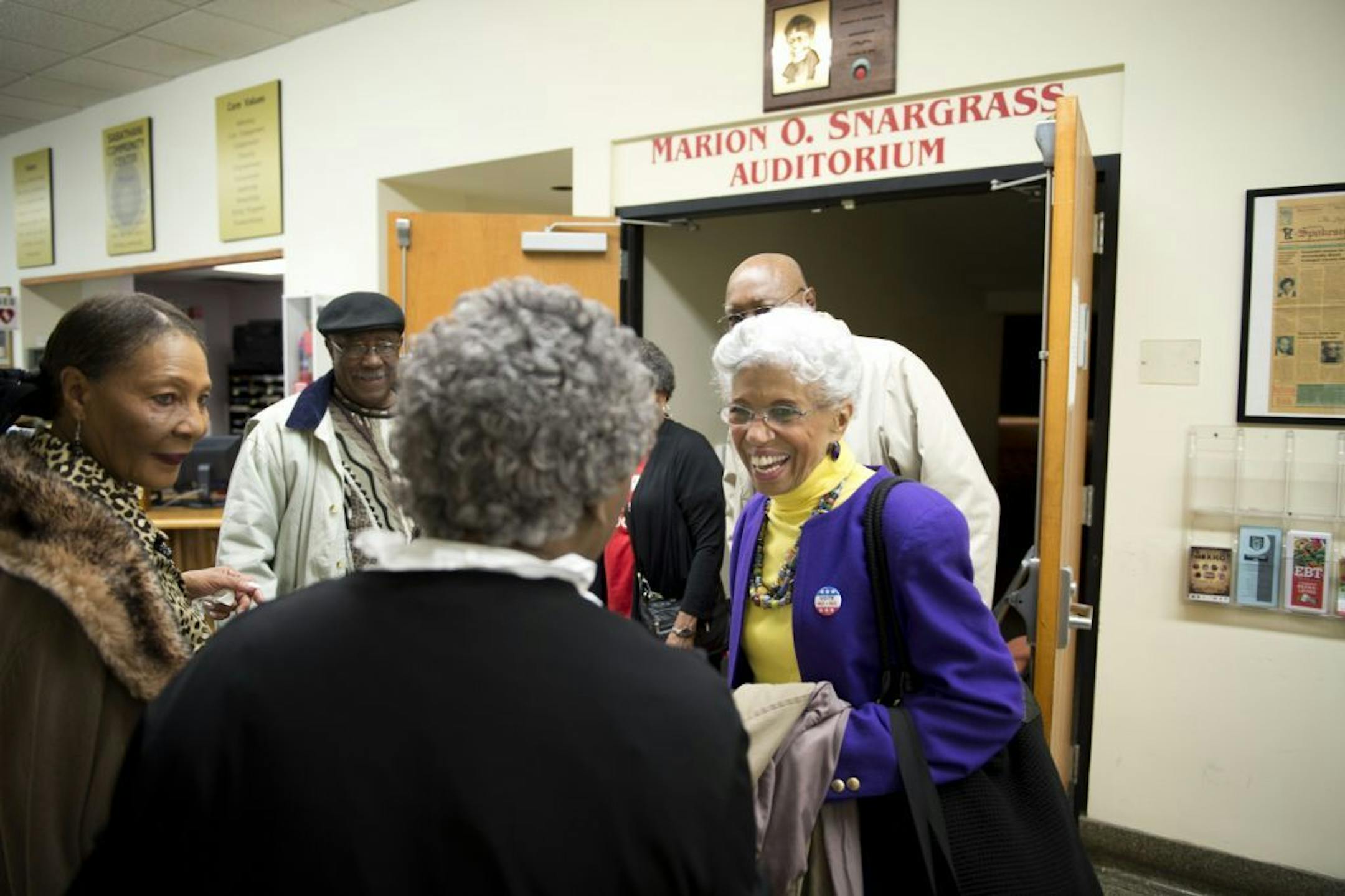
Josie Johnson greeted friends who came to Sabathani Community Center to hear her speak about the proposed Voter ID amendment. Johnson, 82, is a leading opposition to the photo ID amendment from a civil rights perspective. She is an African American woman who grew up in Houston during the days of literacy tests and is eloquent in describing why photo ID reminds her of those days. Wednesday, October 17, 2012
In 2012, Josie Johnson greeted friends who came to Sabathani Community Center to hear her speak. (Star Tribune/The Minnesota Star Tribune)
about the writer

about the writer

Randy Furst

Reporter

Randy Furst is a Minnesota Star Tribune general assignment reporter covering a range of issues, including tenants rights, minority rights, American Indian rights and police accountability.

See Moreicon