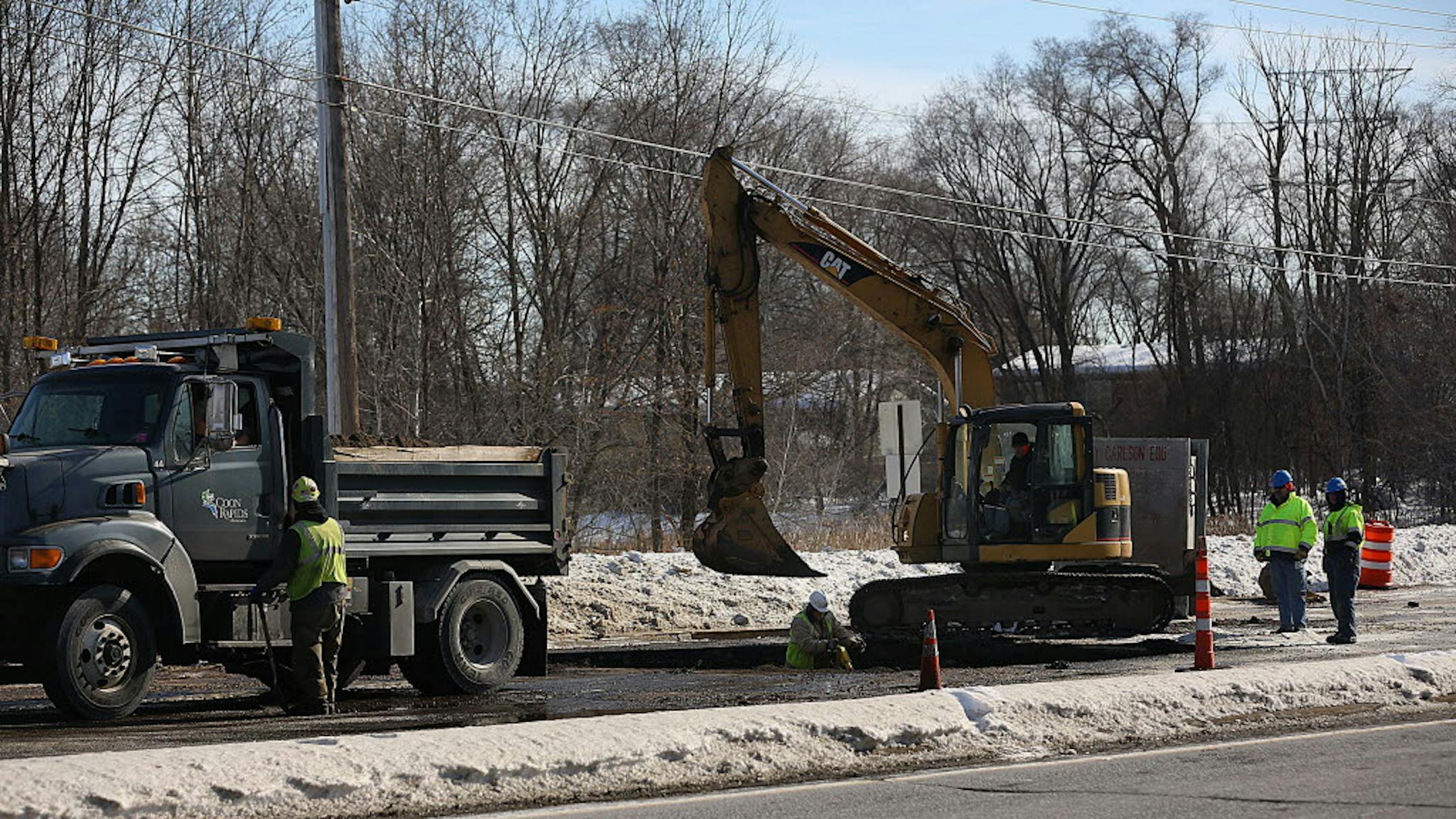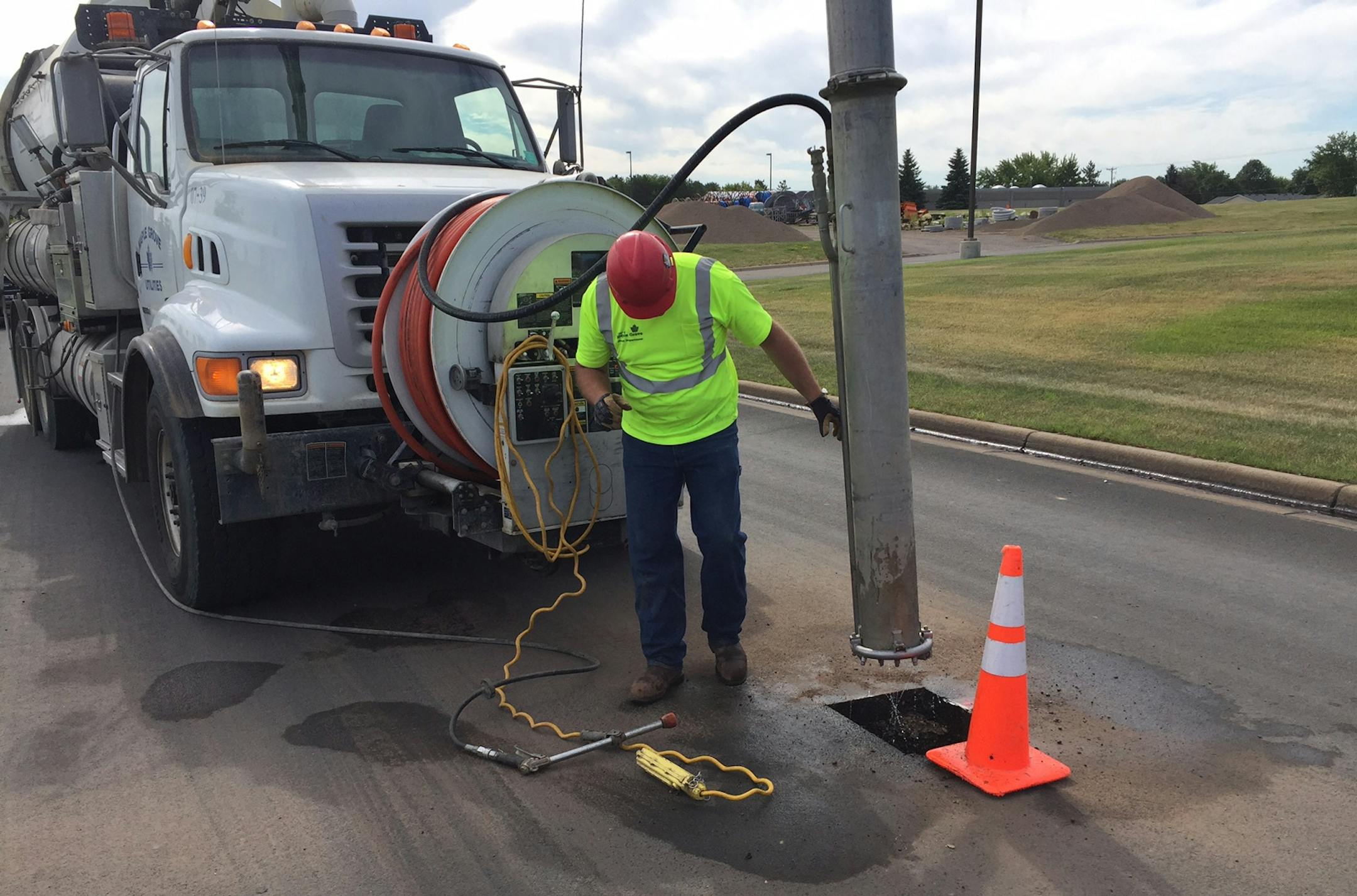
The Twin Cities hasn't yet been hit with extreme cold this winter, but already Hennepin County crews are using new tools to better prepare for plummeting temperatures that could burst water pipes or water mains.
The county has added new frost sensors throughout the west metro to better predict when pipes, hydrants or water mains might freeze up and better anticipate spring flooding.
The county, which started installing sensors in 2014, has expanded them this year with five sensors in Fridley, Crystal, Maple Grove, Medina and Hanover. The county plans to install more next year in the southern part of the county.
"We're trying to be as prepared as we can so we don't have to be reactive," said Sarah Karel, the community engagement and meteorology coordinator in the county's emergency management department. "We're trying to get ahead of things."
In 2013-2014, the Twin Cities had the ninth-coldest winter on record, and the most frigid since 1979, with 50 days recording a temperature below zero. That year's polar vortex brought extreme temperatures that caused water pipes to freeze, some cracking and bursting because of the frost line burrowing deeper.
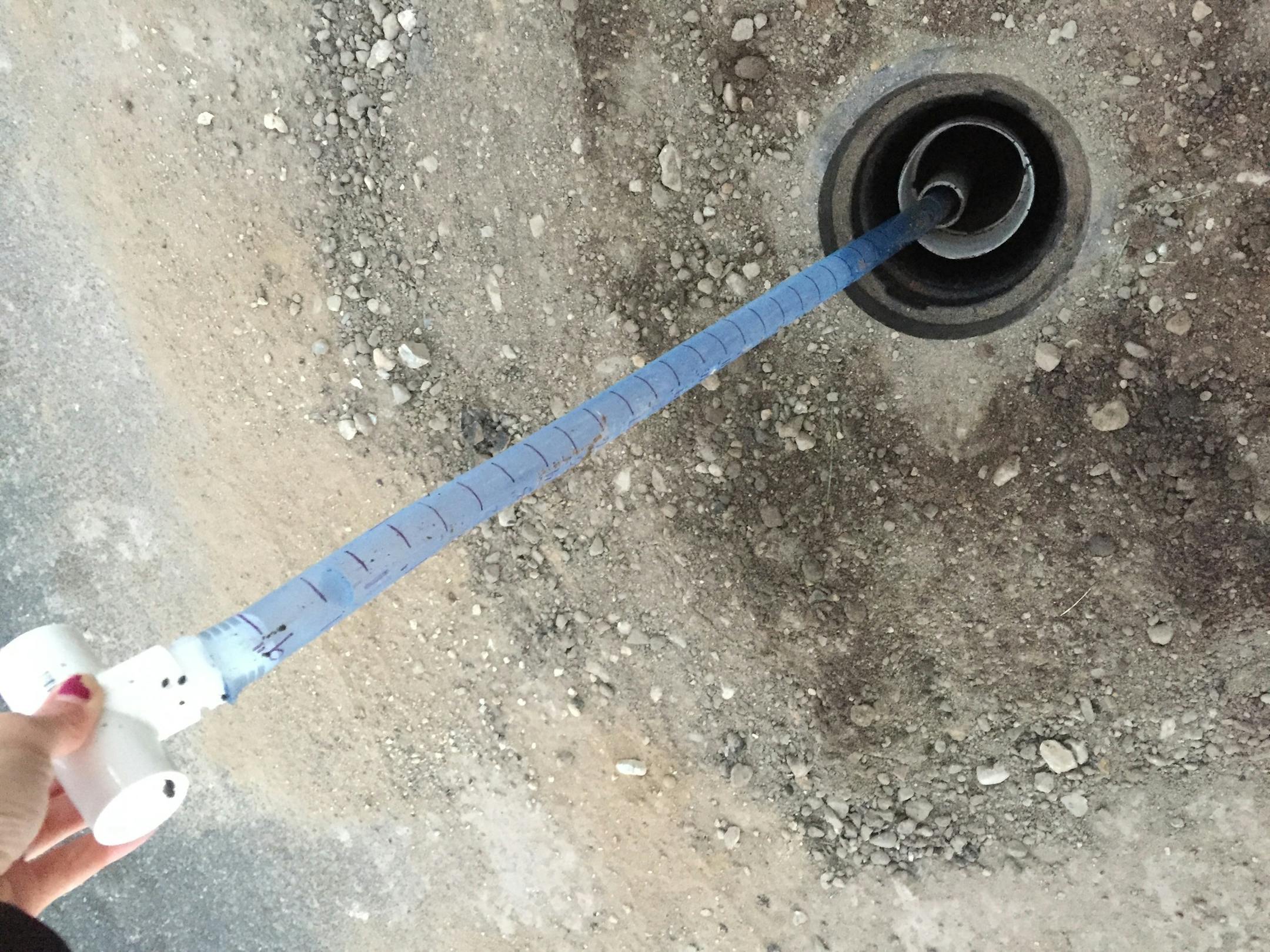
The county relied on one frost sensor under sod at the National Weather Service office in Chanhassen and one of the state Department of Transportation's frost sensors under pavement in Otsego. But, Karel said, the county realized it would more accurately predict when frost could affect water mains and pipes if it had more sensors throughout the county, under both sod and pavement, where it can take longer for frost to thaw without snow cover above to warm it.
For $50 each, county crews built the new frost sensors out of PVC pipe and clear hose, installing them 10 feet in the ground. Crews manually check the sensors every Monday to see how far the frozen water has reached in the hose.
When the frost reaches 6 or 7 feet below ground, the county will notify cities' and counties' public works and utilities departments along with the public to prepare for frozen pipes. Residents can help keep pipes from freezing by running a small amount of water, no more than a pencil's width, in a continuous flow through faucets..