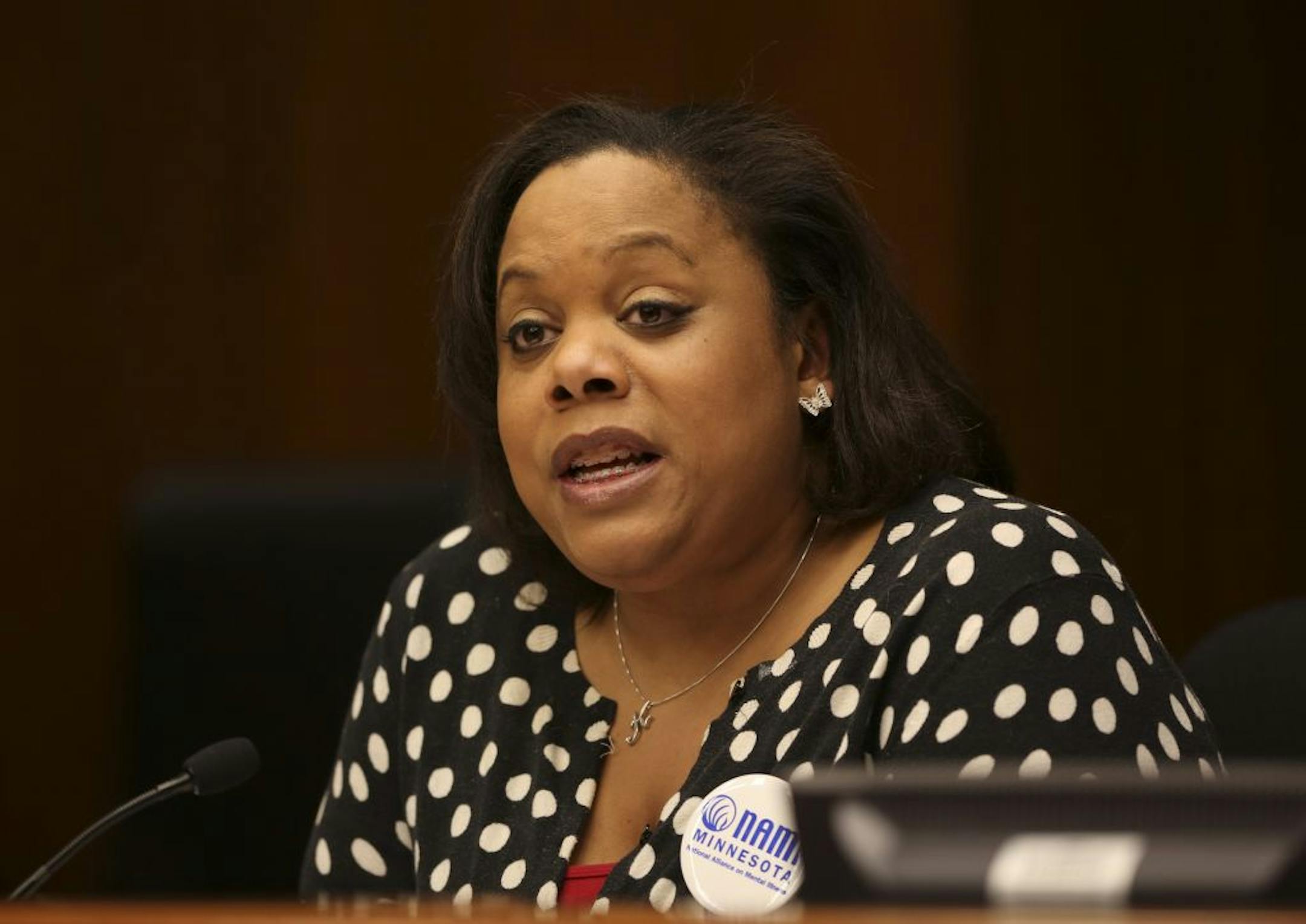
The first time Kristy Collier's daughter flew into a manic rage at school, the teacher and school leaders weren't prepared to handle her screaming or chair-throwing.
By the time Collier arrived, the worst was over. Her daughter, removed from the classroom, had crashed asleep in the nurse's office. Bruises on her wrists were the only tangible sign of the struggle.
It was the beginning of a cycle that brought Collier back again and again to the Hopkins-area elementary school. In the course of that school year, she took time off work on 78 days to deal with her daughter's outbursts. Her boss eventually threatened to fire her, but she was already feeling the impact.
"As a single mom, every time I leave work, that's money lost," she said. "That really counts."
It's a problem statewide for parents of children with mental disorders and for schools with little to no expertise in mental health care. Former Gov. Tim Pawlenty attempted a solution in a set of mental health reforms in 2007, which paid for school districts to hire mental health providers and help teachers develop action plans when children have outbursts. Thousands of students have since used the service, but the funding stretches only far enough to cover 17 percent of the state's schools right now, and it was nearly eliminated altogether in 2011.
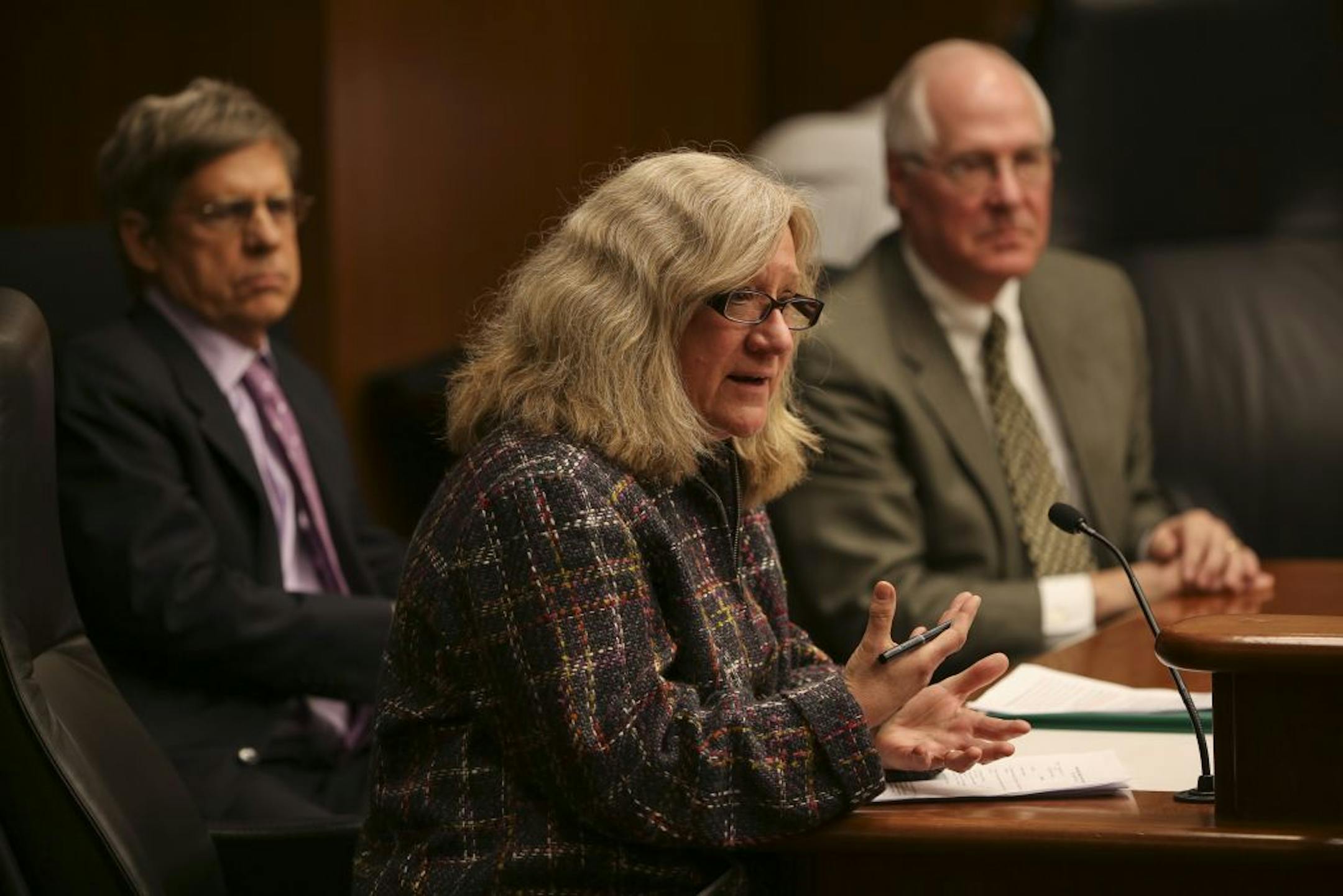
On Tuesday, Collier and others testified before the House Health and Human Services Policy Committee in favor of a budget proposal by Gov. Mark Dayton, which would double annual funding for these school-based mental health services and expand them to a third of the state's schools.
Collier's daughter is now 16, and her early struggles occurred before state funding began. Had the services been available, Collier said, they might have prevented many of the crises her daughter experienced in class, as well as the teasing from classmates and other problems that ultimately prompted her to drop out of that school and fall behind academically.
"We're hearing about all of these incidents on a daily basis now," Collier said. "It's really time that we start to have the conversation. Let's figure out what we can do about it."