

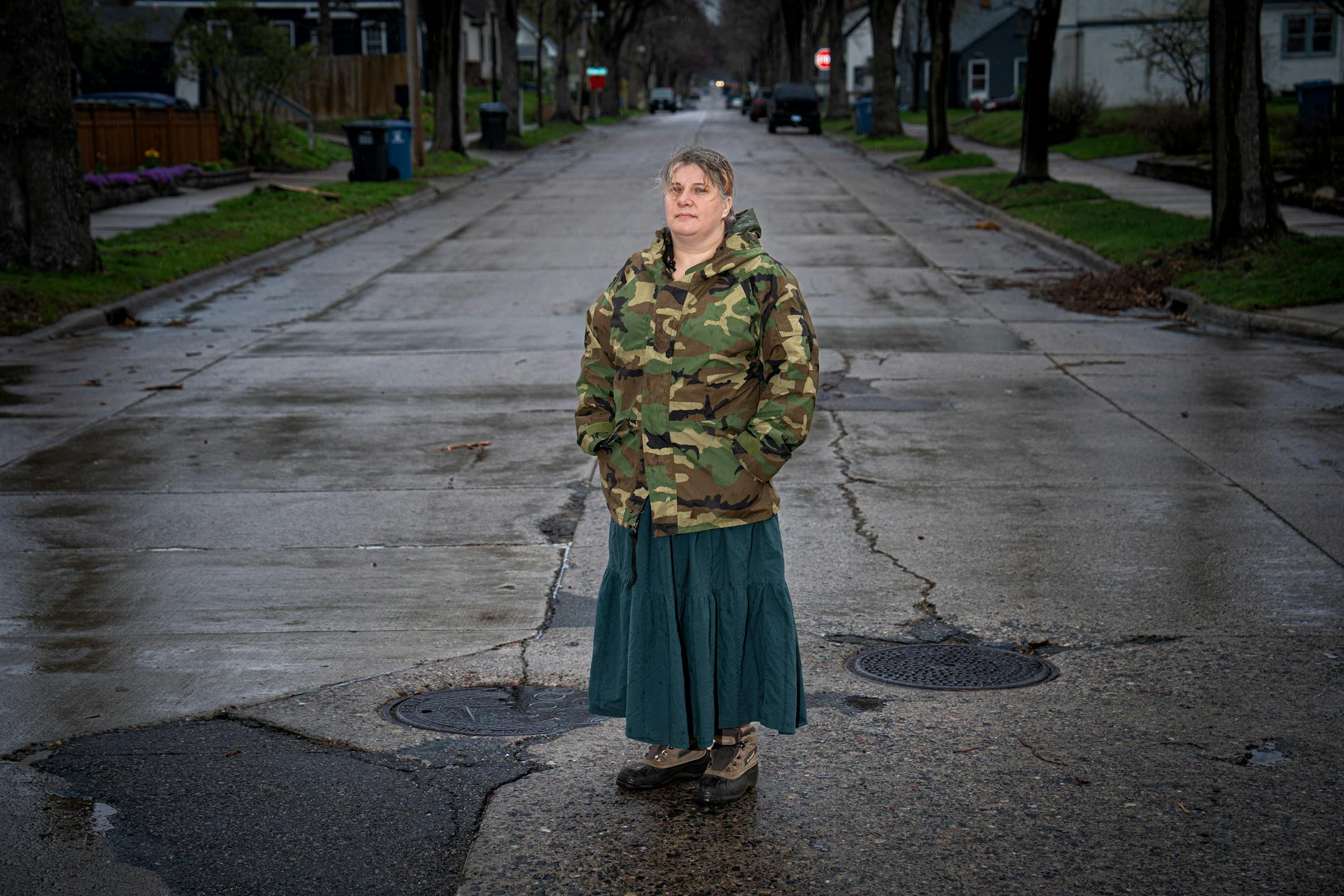
The little neighborhood of Cleveland on Minneapolis’ North Side experiences big flooding whenever it rains too hard or fast. For decades, neighbors around 35th and Xerxes avenues N. have collected photos of themselves standing in waist-high water, with upturned garbage bins floating through the alleys and manhole covers blown off as water rushes downhill through too-small pipes.
Their garages and retaining walls are rotting, their sidewalks and yards subsiding. People with multiple sump pumps in their basements say it’s still not enough to keep things dry. Some have been complaining to the city since the 1990s, but little has changed.
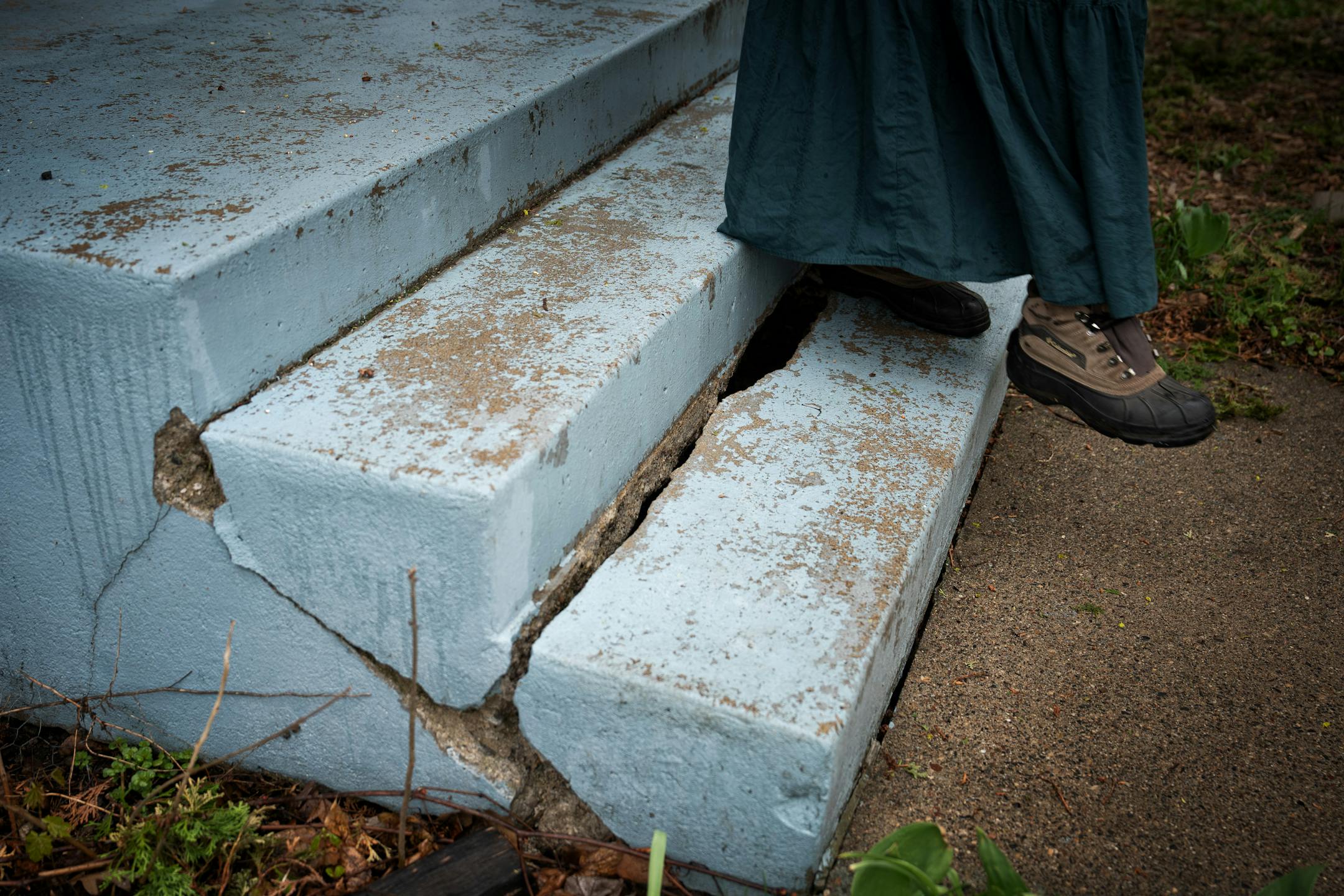
“I have funny videos of the previous neighbor’s kids canoeing down the road,” said Giovanna Johnson, who lives in a corner house with the front steps hollowed out by repeated flooding. “The bad part is when that happens, all the trash from the trash cans fall over and then goes up into our yards.”
Finally, help could be on the way. Minneapolis recently updated its flood modeling and has shifted away from a complaint-based system in which the neighborhoods with more wealth and political capital were likely to get help first — even if other areas of the city were facing more severe problems.
Now, the city’s priority list is informed by data that suggest that flood-prone areas of the north Minneapolis neighborhoods of Jordan and Cleveland are in the most critical need of better storm water management. The city’s ranking for projects now takes into account the amount of flooding, the potential for water quality improvements, the age of infrastructure and social vulnerability.
“I realize that this process took a long time, but it was challenging before we had these metrics,” said Paul Hudalla, senior engineer for Minneapolis Public Works. “Now that we have this process, it really helps us to be able to say we’re doing this project first because there’s a logical order for everything.”
Public Works has earmarked about $20 million for flood mitigation work around 35th Ave. N. and put in a $5 million grant application with the Minnesota Pollution Control Agency. Planners toured the neighborhood with residents earlier this month and aim to propose storm water management and street reconstruction conceptual designs by this fall. Construction starting in late 2025 may be completed by 2027.
Council Member LaTrisha Vetaw said she practically had to swim across Cleveland to do door-knocking during her election campaign.


