

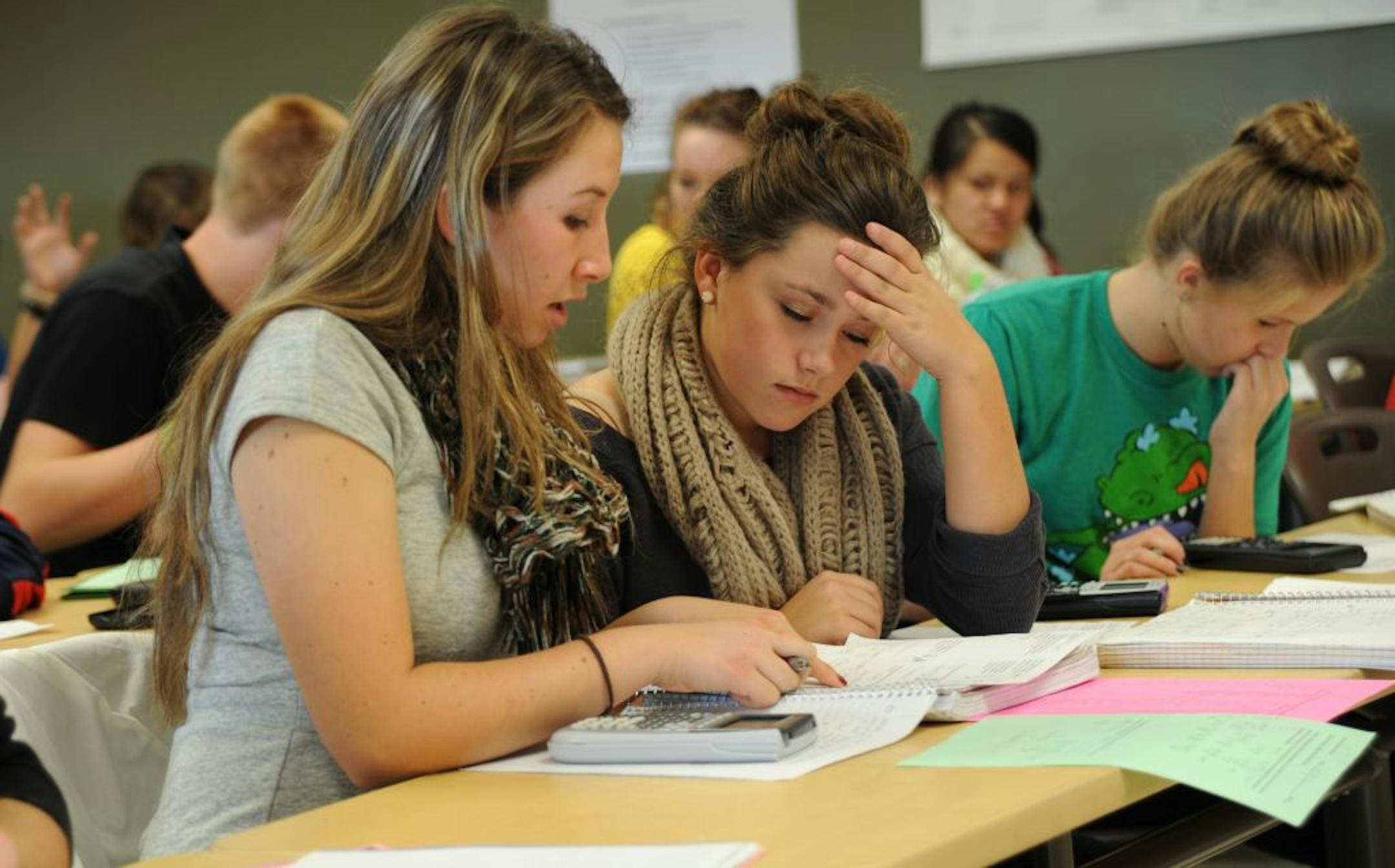
After just six hours of restless sleep, 17-year-old Cassidy Brewin gets up. She grabs a smoothie, coffee, a handful of dry cereal. With a quick kiss from her mom, she rushes off to class. Between a schedule loaded with advanced-placement (AP) classes, soccer practice, a part-time job and homework that often keeps her up late, the Chanhassen High School senior knows the consequences of taking on too much.
"I've had a few mental breakdowns where I just sat and cried because I didn't know what to do first," she said. "I'm sick from the beginning of the year until spring. I've had pneumonia twice, whooping cough and bronchitis. I know it's because I get so stressed out."
The overscheduling of teenagers like Brewin has led some Twin Cities schools to intervene by imposing homework-free days, making relaxation techniques part of P.E. class or encouraging families to schedule a "night off" to spend more time together. At Brewin's school, the entire 1,500-member student body is required to take a 20-minute mental health break twice a week during the school day.
"High school has become college for a lot of students," said Chanhassen Principal Tim Dorway, who wears a bracelet with the message: "Balance. Perspective. Growth." "With their busy schedules, when are kids sleeping? They're sacrificing their bodies to get it all done. We see a lot of coffee and Rockstar energy drinks in our building."
The changes in the school came on the heels of an uptick in the number of students hospitalized for anxiety, depression and problems related to insomnia. Last year alone, three Chanhassen students fell asleep while driving, one while on the way to school in the morning.
"A lot of our kids are hurting," Dorway said. "What's the cost of trying to do everything all at once?"
Time for a break
When the bell rings at 9:36 a.m., the hallways and commons area of Chanhassen High fill with a crush of students ready to recharge. Students are encouraged to use the 20-minute break however they choose.


