

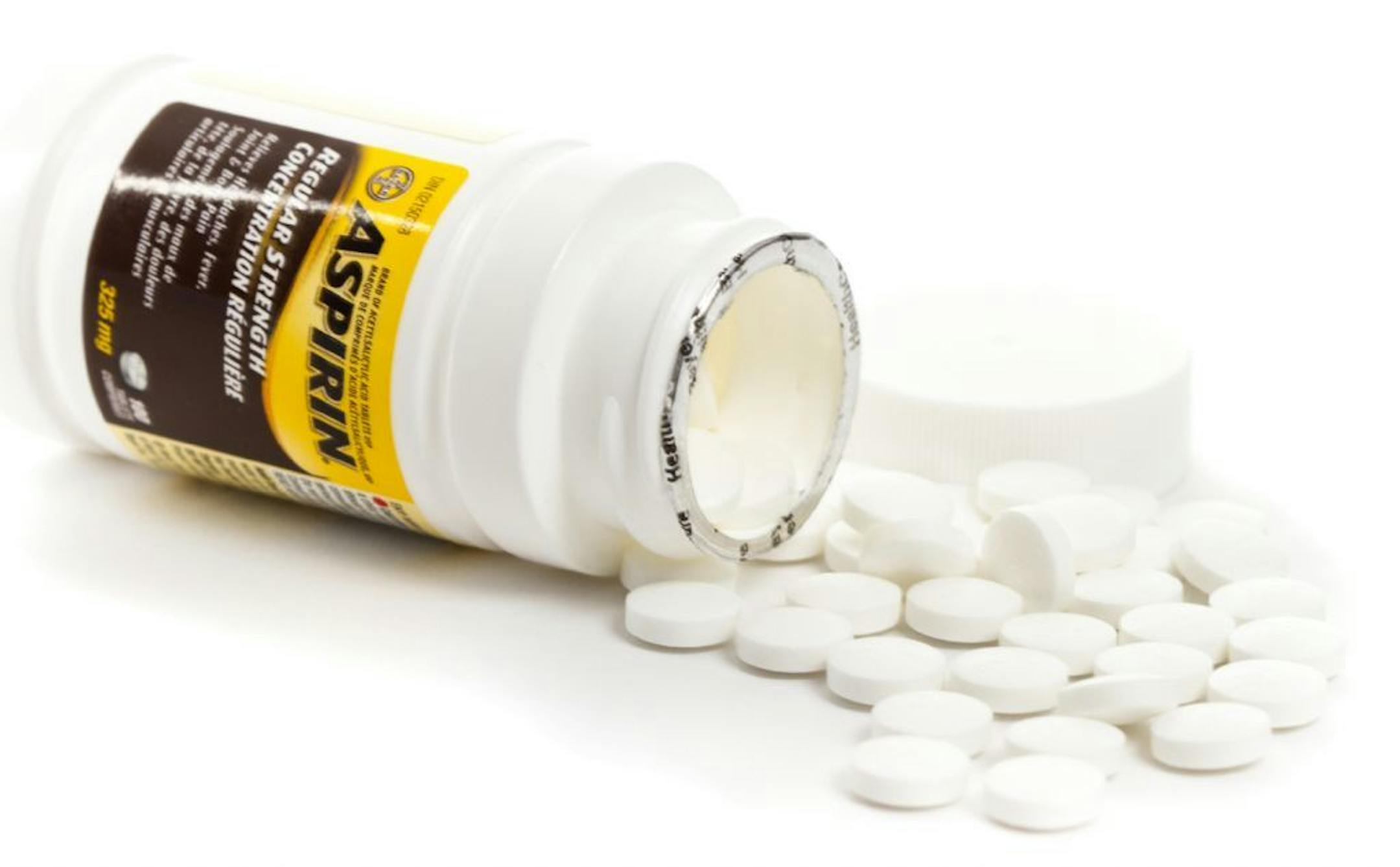
Data analysis by Bloomington-based HealthPartners has helped federal health authorities address a vexing question: Who should take daily aspirin to reduce heart disease risks, and who should not?
The answer came Monday, when the U.S. Preventive Services Task Force issued new advice on daily aspirin use, putting a finer point on what had been blunt guidance. The new advice recommends daily aspirin for adults aged 50 to 59 who have a life expectancy of at least a decade but also a 10 percent chance of a cardiovascular event such as a heart attack.
And it adds a caveat: Aspirin-takers should have only average risks for stomach bleeding, which can occur with regular consumption of the over-the-counter painkiller.
Americans aged 60 to 69 with the same risk profiles should consider aspirin only in consultation with their doctors, the influential task force said in its guidance, which was published in the Annals of Internal Medicine.
Previously, the task force recommended aspirin for men aged 49 to 79, and women aged 55 to 79, when their respective risks for cardiovascular problems or strokes were greater than their risks of aspirin-related complications.
Like the task force's controversial guidance on mammograms last year, Monday's recommendation reflected a complicated balancing of lives saved against medical risks.
"Our recommendation really highlights what the science tells us about the groups that are likely to benefit," said Dr. Kirsten Bibbins-Domingo, a San Francisco epidemiologist who is chairwoman of the U.S. task force.
The task force does not favor aspirin for people younger than 50 or older than 69.


