

Opinion editor's note: Editorials represent the opinions of the Star Tribune Editorial Board, which operates independently from the newsroom.
•••
Being healthy is no guarantee against needing serious medical care. Accidents happen. Appendixes burst. COVID-19, influenza and other pathogens continue to circulate. Heart attacks and cancer can strike with little warning.
If that happens, those without insurance can face daunting bills. The average cost of a three-day hospital stay: about $30,000, according to federal health data. Costs can soar even higher when surgery is needed or ongoing cancer care is required, for example.
No one should run the risk of crushing debt from a medical crisis. Especially now when expanded financial aid, which can instantly discount monthly insurance premiums, remains in place for those who buy coverage on their own instead of getting it through an employer or a public program.
There are some good deals out there for those eligible for this assistance. That's important to know as open enrollment — the annual window of time to buy coverage for the coming year — kicks off Nov. 1 and runs through Jan. 15 for those who purchase individual policies.
Because most people get coverage through a job, and the Medicare program covers seniors, individual buyers are a relatively small group. In Minnesota, it's just 3% of the state's population, or about 167,000 people.
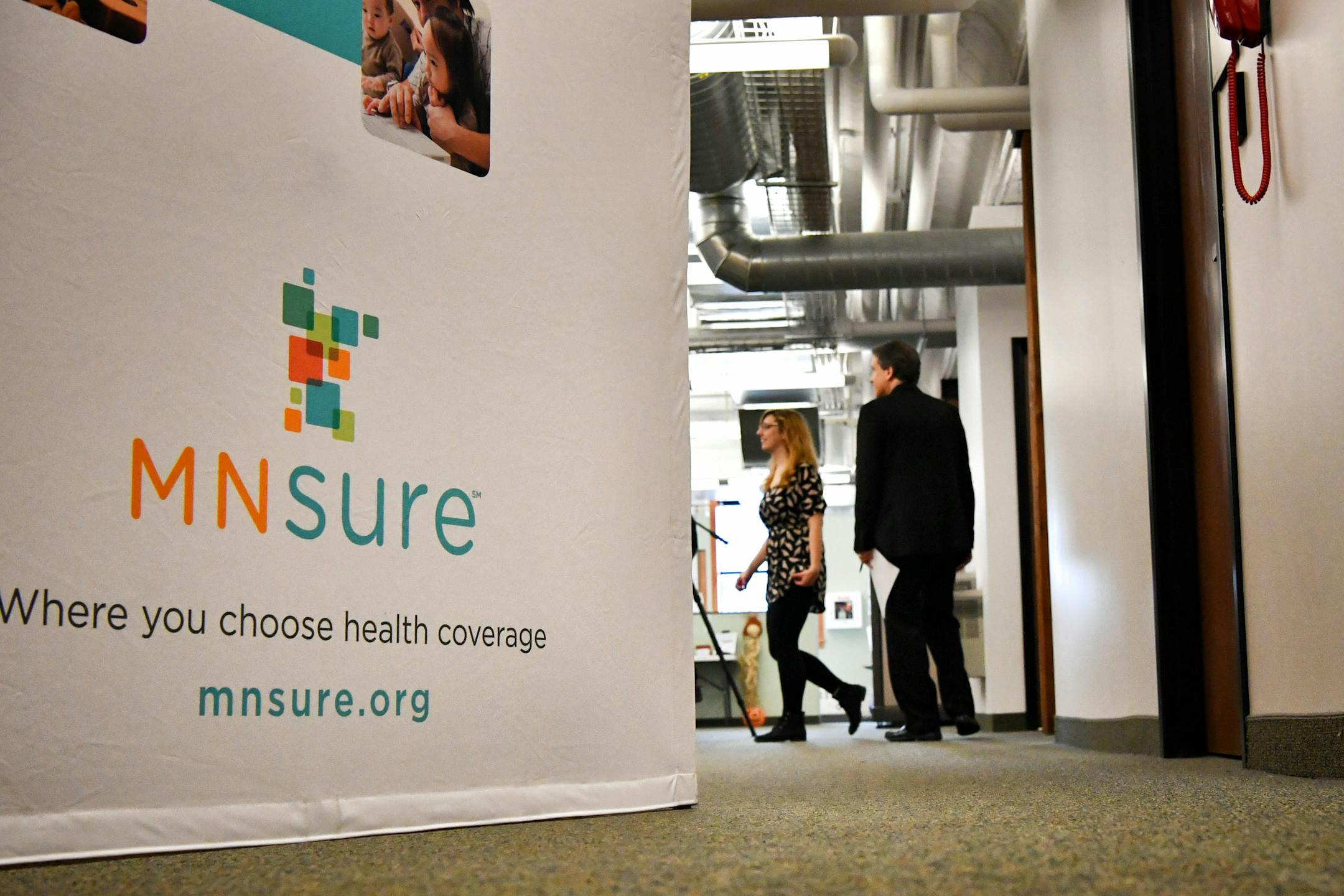
Included in this group are the self-employed, farm families and early retirees who fall short Medicare's eligibility age of 65. One of the Affordable Care Act's core components is financial assistance — in the form of advance tax credits — for these buyers to prevent them from being priced out of coverage. The aid is available only to those who buy insurance through MNsure.


