

It was a young president's signature domestic policy achievement — a landmark law that created a new national health coverage program for millions of Americans.
But as the historic initiative rolled out, jarring problems emerged, raising doubts not only about its launch but about the fate of the program itself. Serious information technology glitches surfaced, a situation exacerbated by overwhelming demand for the new coverage, making it difficult for consumers to enroll and for private insurers and providers to retrieve information needed to deliver the new health benefits.
Confusion reigned as consumers tried to sort through new benefit plans and figure out their eligibility for financial assistance. Lawmakers raised strident concerns about the new program's cost, about data security and about the competency of federal agencies administering it. As problems mounted, 37 states finally took matters into their own hands, setting up temporary programs to make sure new enrollees got promised benefits as problems were fixed at the federal level.
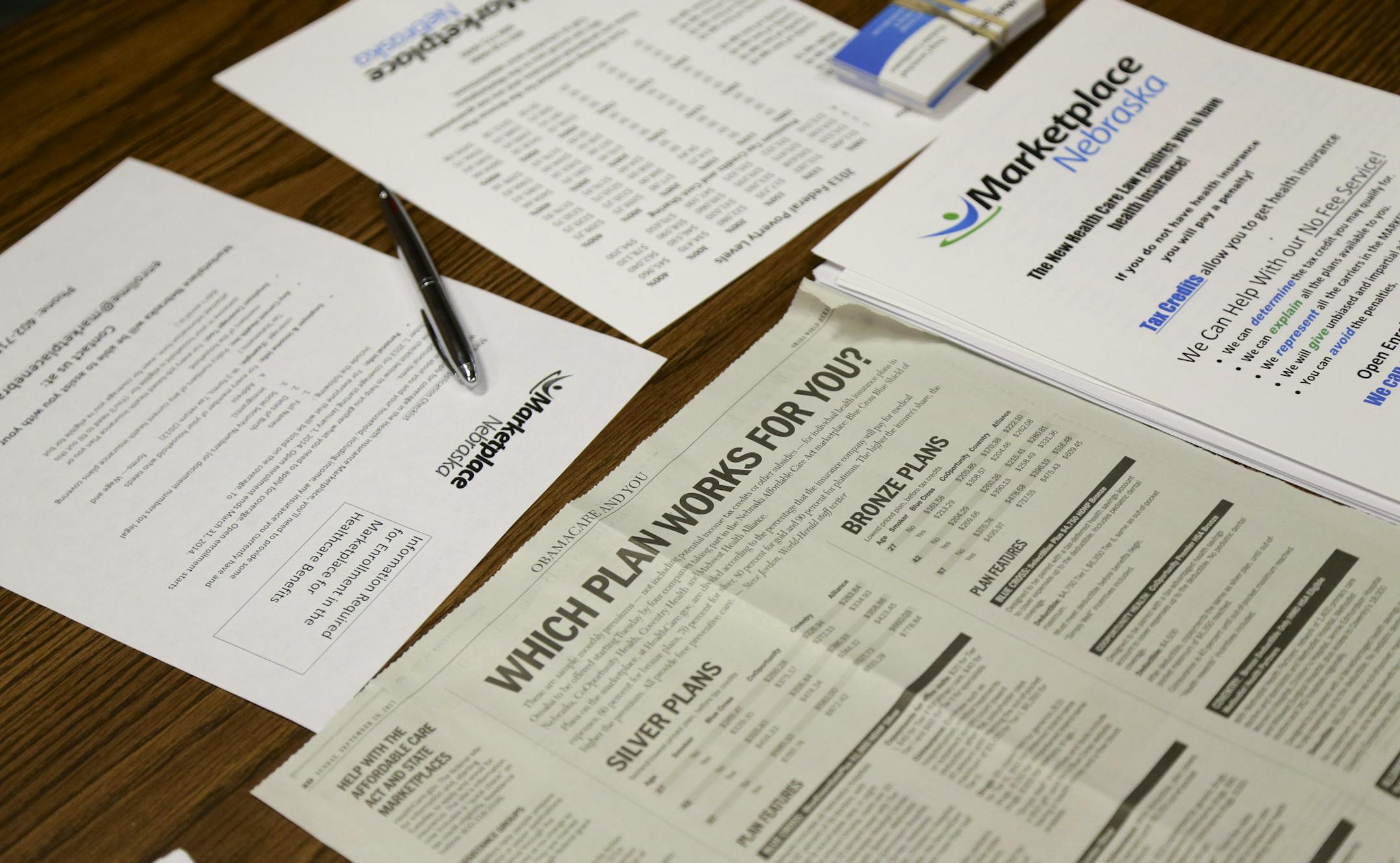
The litany of problems sounds familiar to anyone tracking the launch of the Affordable Care Act's new online insurance marketplaces, which opened Oct. 1. But the problems described aren't ripped from the headlines. Instead, they're chronicled in a Georgetown University/Robert Wood Johnson Foundation report about a health care program that launched in 2005 — Medicare Part D, which was passed in 2003 in President George W. Bush's first term and began enrolling senior citizens in outpatient prescription drug coverage two years later.
While Part D drug coverage had a difficult start, it's now a valued part of Medicare and one often pointed to as an example of a federal government initiative that works. That's why it's important to take the long view of the ACA's rocky rollout as problems pile up, particularly with the healthcare.gov insurance marketplace run by the federal government for states that opted not to build their own. Part D's success after a troubled launch suggests the ACA marketplaces can and will get better, too.
Still, Minnesota made a smart decision to build its insurance marketplace. MNsure's launch hasn't been without turbulence, but it appears to have gone more smoothly than healthcare.gov.
Despite difficulties that would have been dubbed a "train wreck" in today's bitterly partisan political environment, Part D's problems were tackled and eventually ironed out. No one lost sight of the worthy goal of assisting seniors.
The ACA will provide potentially lifesaving health care coverage to millions of Americans, with the marketplaces the main way coverage and financial assistance is delivered. That noble goal shouldn't be forgotten as members of Congress turn their focus to healthcare.gov after the shutdown/debt ceiling debacle.


