

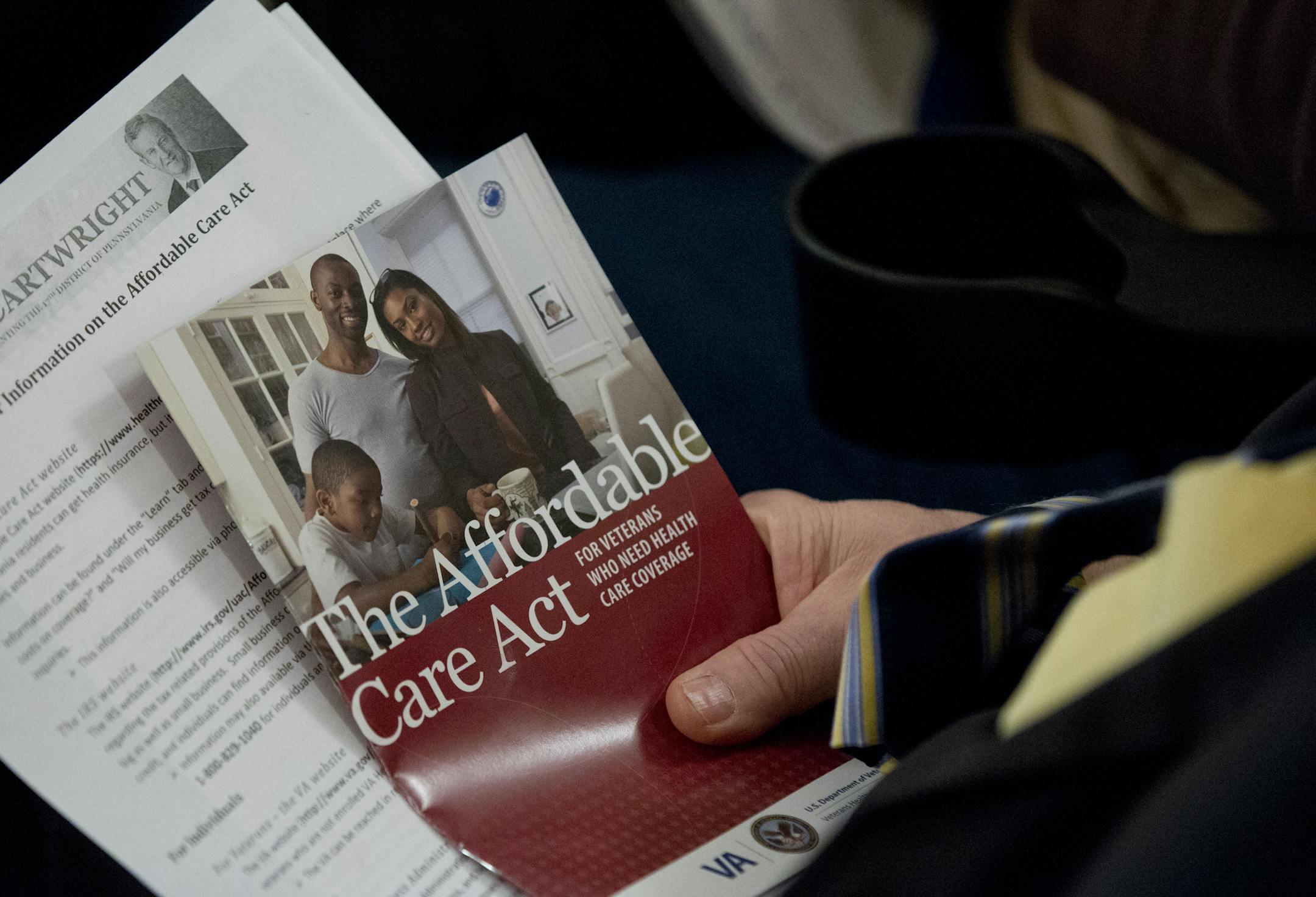
The untold success story in the health care rollout is that the working poor are enrolling in Medicaid.
Sadly, this fact is largely ignored, crowded out by incessant Republican obsessing over glitches on the HealthCare.gov website. But many thousands of families already are benefiting from the security that come with medical insurance.
The Obama administration is not blameless. Until recently, the White House and congressional Democrats had acquiesced to the media meme that enrolling young healthy people in the private insurance exchanges was more important than expanding government health services for those in poverty.
The rationale, of course, was that younger Americans would pay premiums that contribute to lower insurance rates overall, which is true. But there are two problems with that narrative: First, many of those healthy young Americans are working in minimum-wage jobs, and so they qualify for Medicaid. Second, it implies a hierarchy — in which those who can pay for private insurance are more worthy of the benefits attached to the Affordable Care Act.
Not so. Those who qualify for Medicaid deserve it and should not be shamed for needing it.
President Obama himself finally acknowledged the underreporting of the success of the Medicaid expansion during a Thursday news conference, when he explained that in the first month alone, 396,261 Americans qualified for Medicaid benefits. This was in contrast with the 106,185 people who have enrolled in a marketplace private insurance plan.
Noting that those who have already qualified for Medicaid are poor but also working, Obama highlighted a fact often lost on Republicans, who have consistently marginalized the poor, portraying them as unworthy leeches on society.
According to research by the Kaiser Family Foundation, 47 million Americans lacked health insurance coverage in 2012. Sixty-one percent of adults said that the main reason they were uninsured was that the cost was too high or they had lost their job. More than 60 percent of uninsured Americans had at least one full-time worker in their home, and another 16 percent had a part-time worker in the home.


