

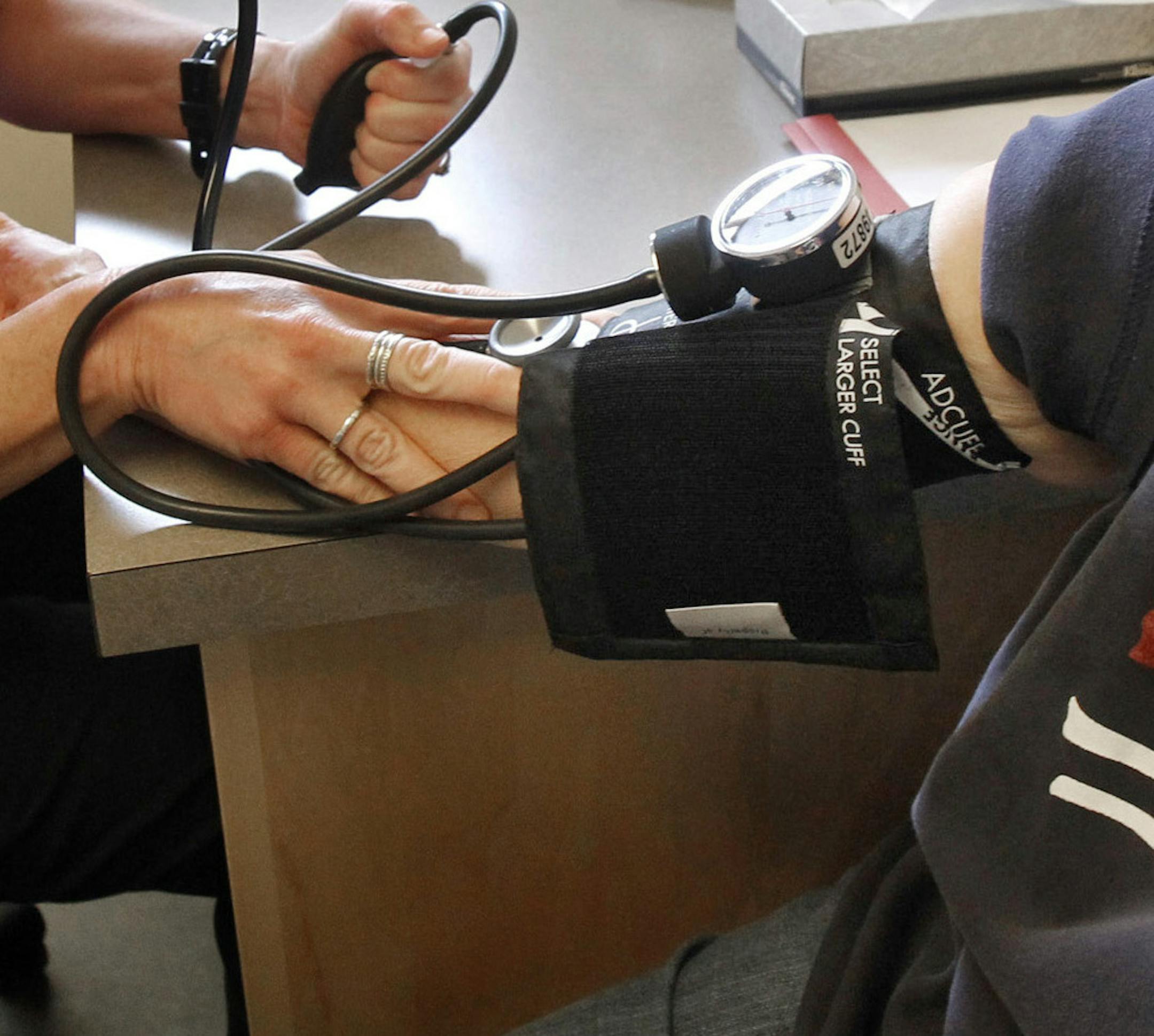
Improving blood pressure and blood sugar levels is tough enough for people suffering from diabetes and heart disease, but throw depression on top of those conditions and the odds are really stacked against patients.
Depression "makes it much harder to manage those other medical problems," said Leif Solberg, a researcher with the HealthPartners Institute.
So the federal Medicare program tested a new way for primary care clinics to treat this combination of chronic illnesses: employing care managers to check in with patients and keep them motivated, tracking their health with electronic medical records, and requiring weekly medical team meetings to assess patients' progress.
The federal agency put Bloomington-based HealthPartners and the Institute for Clinical Systems Improvement in charge of tracking the progress of the new venture, which was tried by 172 clinics nationally on 3,609 patients.
In results released this month, researchers found that the new approach, named COMPASS, worked. After 11 months, 40 percent of patients achieved remission or a reduction in depression symptoms, 23 percent gained better control over their blood sugar, and 58 percent saw meaningful reductions in their blood pressure.
Many patients were tepid at first, but eventually grateful for the extra attention that kept them on track with treatment, Solberg said. "The primary care physician can see patients and can see they're not getting better. But what often happens ... is the depressed patients don't come back in. They don't come in to appointments and they stop taking their medications."
Disparities emerged, though. Results were poorer for black patients, and slightly better for elderly patients on Medicare, suggesting that the federal program is better equipped to help chronically ill patients than private or state Medicaid insurance programs.
Whether the approach is sustainable remains unclear. Minnesota clinics pioneered a similar program, called DIAMOND, for depression care several years ago. Patients got better faster and health insurers saw their costs drop, but clinics struggled to afford the additional costs.


