

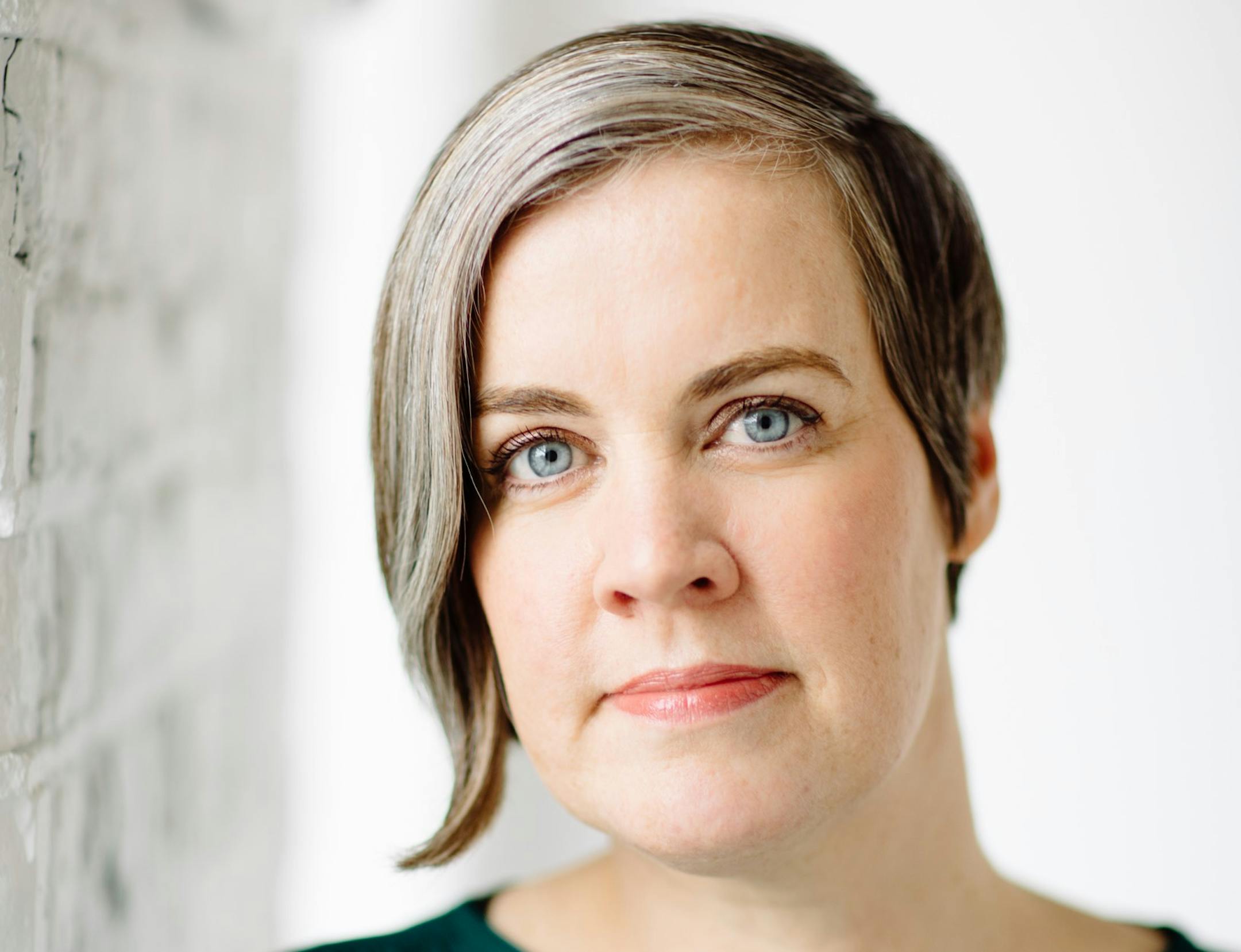
Annie Van Avery has long worked for social justice organizations, which made her transition to the Domestic Abuse Project (DAP) a seamless fit nearly two years ago. Minneapolis-based DAP has worked to end intergenerational violence for more than 40 years, with bold and inventive strategies that bring everyone to the table for success. Executive Director Van Avery said her goal is to tap into that "incredibly rich and significant history" and build upon it. "Every community should have a DAP," she said. Van Avery shares her hopes for DAP, how the organization is addressing the additional challenges brought on by COVID-19, and ways we all can help keep our families, friends and neighbors safe.
Q: What drew you to DAP?
A: DAP (domesticabuseproject.com) offers services that families cannot access anywhere else. It's a holistic place for healing, from crisis to stabilization, for every member of the family. It has been such an honor to learn from DAP's past leadership about the origins of the movement, including [longtime executive director] Carol Arthur, and to partner with the next generation of advocates, social workers and therapists led by Amirthini Keefe working on innovative and community-based solutions to healing from trauma.
Q: COVID-19 has changed life for everyone. But how has the pandemic affected people in abusive situations?
A: There has been increased isolation, which means a lack of safety to reach out for services, children being used as an abuse tactic or being abused, and a lack of support for de-escalation, leading to higher instances of abuse. Safety planning for each member of the family created before COVID-19 is often not applicable when you cannot leave the home to go to group, when children are not at school during the day, when you do not have child care, when courts or county offices are closed.
Q: How are you responding?
A: Both our team and our partners pivoted within a matter of weeks to keep shelters open, to offer services through telehealth and to innovate ways to reach an advocate for support. We are offering a text option, phone line and video connection, for example, to meet the client's need and find a safe way to connect. It's been incredible and I think that in the Twin Cities, our nonprofit organizations have stepped up and into expanding services for the significant need without more resources or support.
Q: Are protective orders largely impossible to attain right now?


