

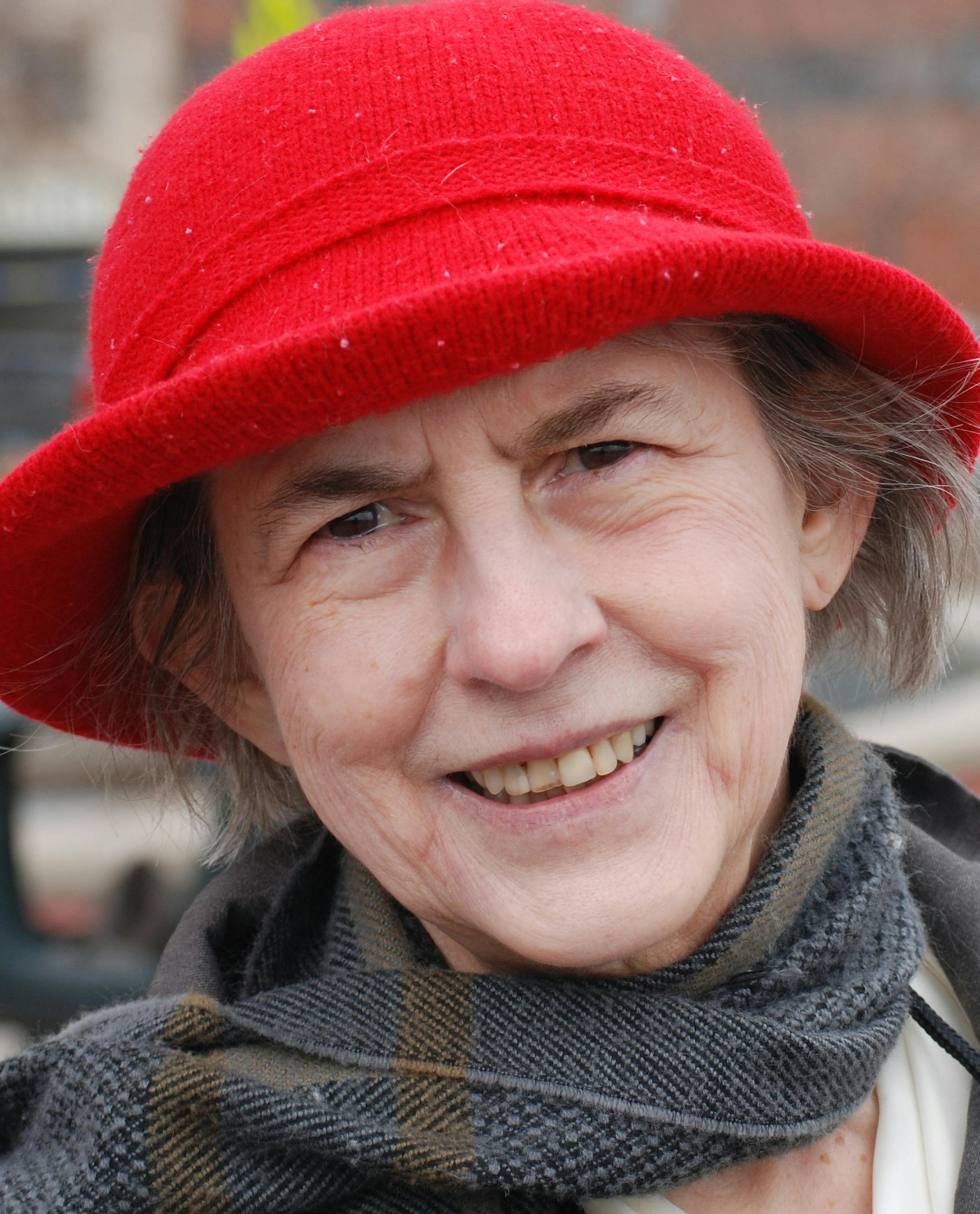
Hazel Dicken-Garcia's impact in life is measured in the hundreds of former students who now fill newsrooms and university lecture halls nationwide.
Hailed as a trailblazer, she helped shape the study of journalism history and ethics and was an author, including of a well-known book on journalistic standards. But it was her work as a University of Minnesota professor for 30 years that she may be remembered for most.
"She was a towering figure in journalism history," said Kathy Roberts Forde, a former U colleague who is now an associate journalism professor at the University of Massachusetts Amherst. "In her generation, she was one of the top journalism historians. Her legacy lives on not only in her work, but in her students."
Dicken-Garcia died May 30. She was 79.
Born in a log house in rural Kentucky in 1939, she grew up in poverty, the second-oldest of five children. She quickly found an escape through education, voraciously reading every book in her one-room school by the eighth grade.
"She'd have a dish rag in one hand and a book in the other," said her sister, Letha Amonett of Albany, Ky. "She wanted to do better. She wanted to become somebody."
Her high school classmates saw that, too, voting Dicken-Garcia the most likely to succeed. And she did, graduating from Berea College by working her way through school. She then spent five years working for the American Friends Service Committee in India and in the U.S. before landing a job as a part-time reporter in Ann Arbor, Mich. But she was drawn back to the classroom.
"She loved school all of her life," Amonett said.


