0:38
0:38The future will have no human pitchmen. They will be PitchBots, digitally assembled to hawk a product to the proper demographic. They will never flub a line. They'll never embarrass a sponsor by word or deed. They will be unique, funny, memorable — and they won't be real.
Pitchmen must be real. Really excited, if needed; really serious, if that's what the product requires. Really sincere. Really, really interested in making you not just want their product, but like yourself for wanting it. Selling is an art, a performance and a bit of a grift, as well. You know the pitchman is being paid, but he can persuade you that he'd pay for the opportunity to let you know about this fine product.
They ought to be extinct by now. Modern ads are either emotional and sincere, with millennials using apps while a ukulele plinks away, or strange and ironic, with lounge-lizard versions of Col. Sanders singing about chicken tenders in a tiki bar. One guy talking to the camera — talking to you out there in TV Land — it's an anachronism, mostly confined to infomercials and people selling pillows or hot tubs. It's a leftover relic of the days when you had to get up and fiddle with the rabbit ears.
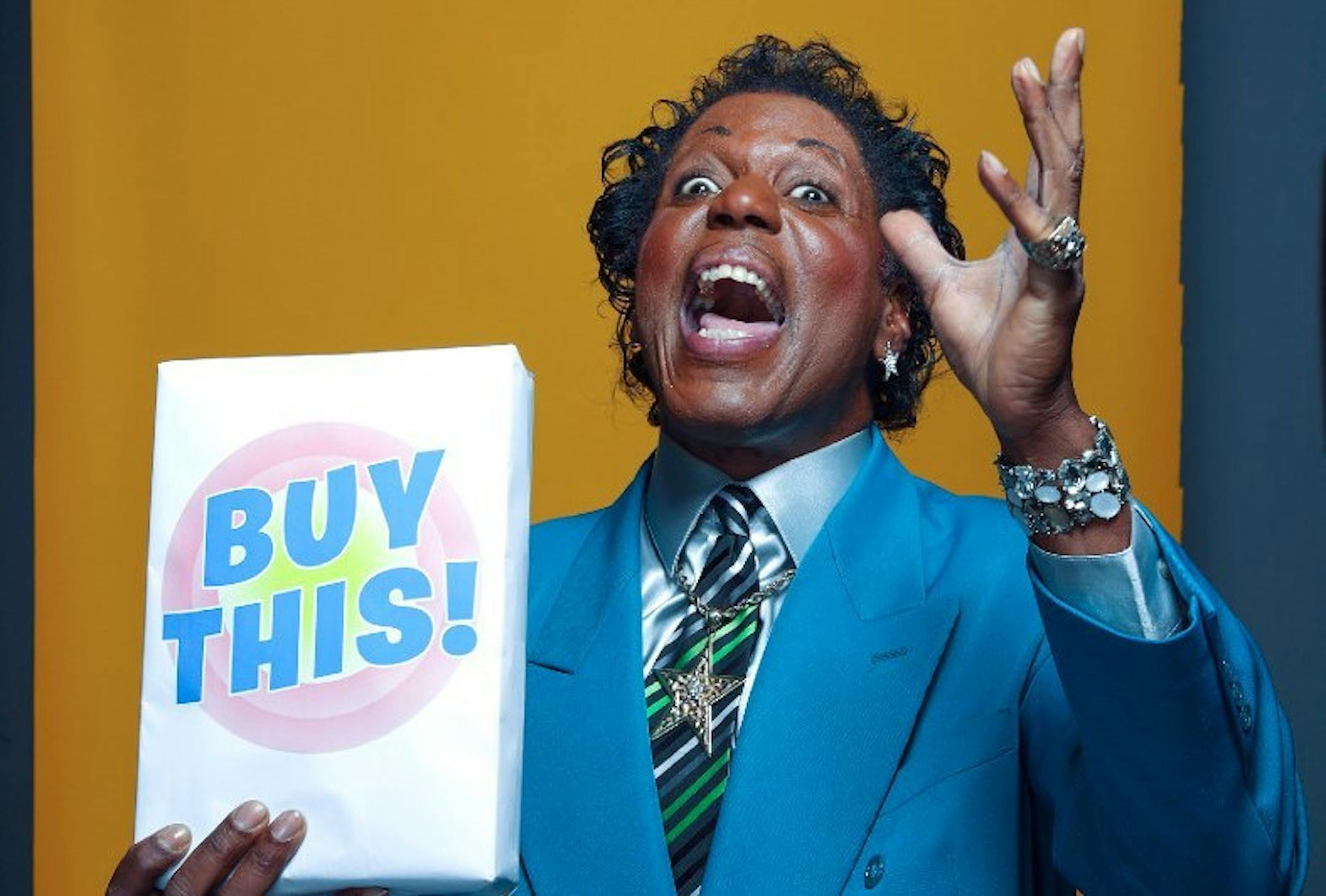
It's a dying art, but that doesn't mean it's dead. Consider, for instance, Fancy Ray McCloney. Nothing he does could possibly be called dead.
"I'm a human PHENOMENON," he announced. (Even when he isn't pitching something, he talks in capital letters.)
When it comes to pitches, he's the alpha and the omega.
"I write them, I direct them, I produce them and put them on the air," he said. "I'm a one-stop shop. I'm a Renaissance man."
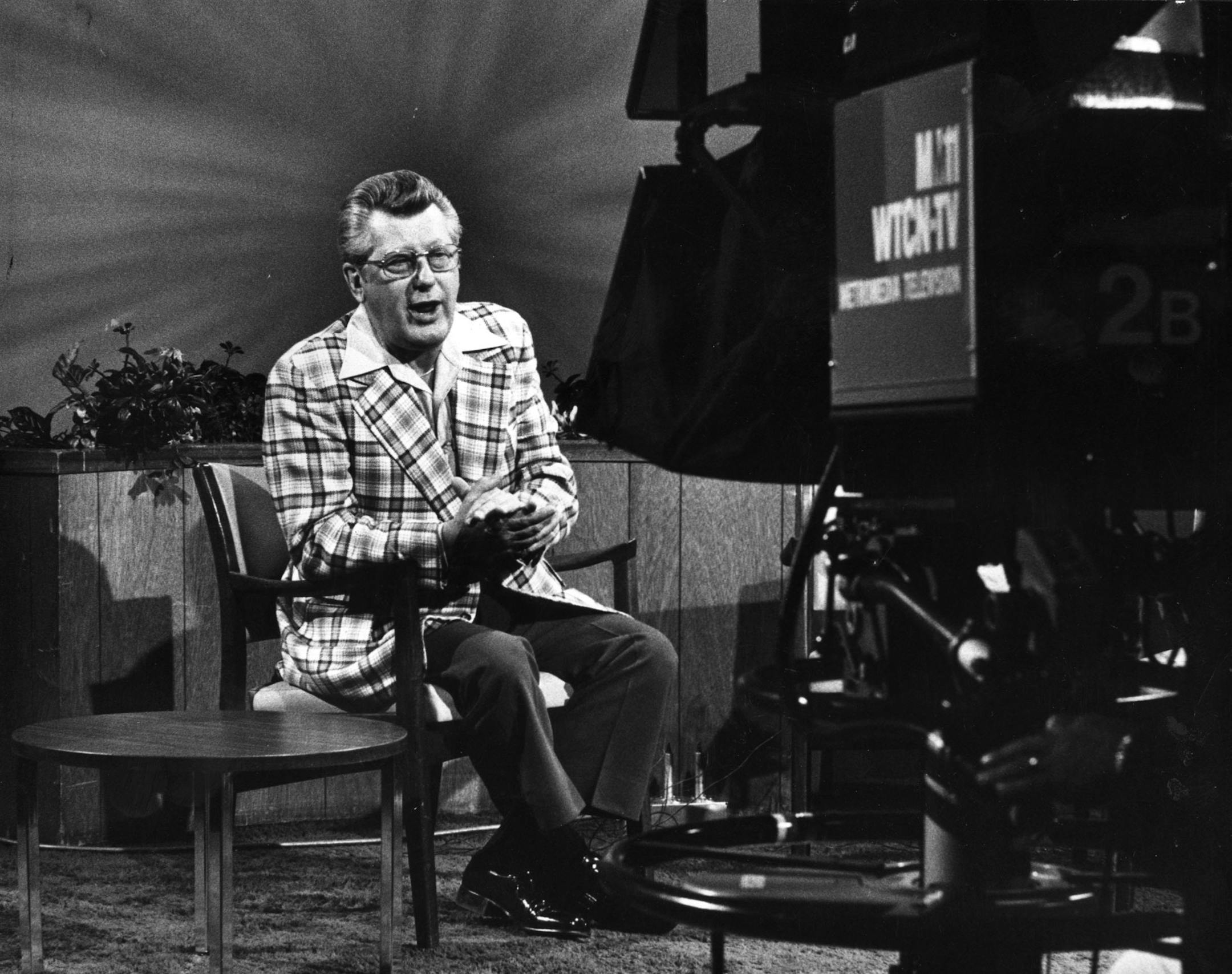
But he's also respectful of his pitchman roots, which, in the Twin Cities, all lead to one source.