

A colleague recently sent me a commentary by Stephanie Flanders, head of Bloomberg Economics, headlined: "Economists have lost the trust of politicians." Is that true, and, if so, is it a plus or a minus?
Let's first dispense with President Trump (there's a thought …), whom the piece describes as "the extreme case" who takes "pride in doing the exact opposite of what mainstream economists would prescribe. … But if the economics profession were being honest with itself, it would have to admit that the problem goes deeper than … Trump."
It is not hard to marshal facts as to why this might be the case. Queen Elizabeth II spoke for many when, after a deregulated finance sector helped inflate a housing bubble that ushered in a global downturn, she asked British economists, "Why did nobody notice it?"
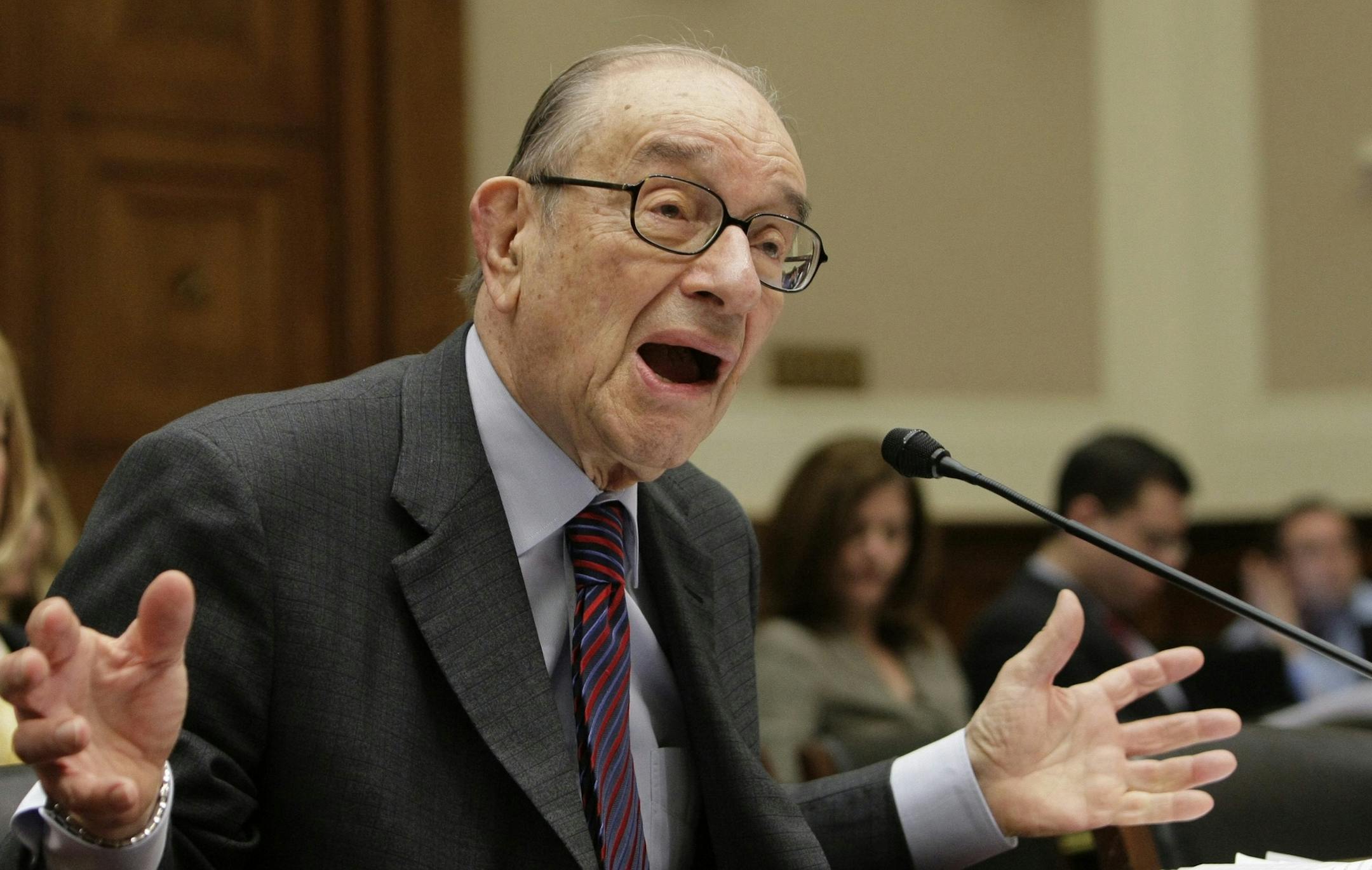
In fact, a precious few, notably economist Dean Baker, explained what was happening vividly and in real time, but his warnings were ignored. Instead, politicians listened to Federal Reserve Chairman Alan Greenspan who, after the crisis, proclaimed, "Those of us who have looked to the self-interest of lending institutions to protect shareholders' equity, myself included, are in a state of shocked disbelief."
The Bloomberg piece further argues that economists have largely lost politicians' ears because they "haven't had very useful solutions to the big problems politicians are being asked to fix," including slow productivity and wage growth, the rise of inequality, an austere fiscal policy that has been highly damaging, and persistent regional disparities with profound political implications.
I'm sympathetic to these arguments, but I think the problem, as embodied in the Baker/Greenspan example, goes deeper, especially in the United States: It is the interaction of bad economic advice, wealth inequality and pay-to-play politics.
Greenspan was merely riffing off Nobel winners who argued that rational behavior would lead financial firms to self-regulate, something that, for the record, more realistic economists have known to be false since Adam (Smith). Politicians who blather on about how introducing "market forces" into health care requires cutting public health programs have no problem finding top-flight economists to back them up (despite work in the 1960s from another Nobelist, Ken Arrow, showing how health care fails to conform to standard market assumptions).
Trump's economics team is exhibit A in the current incarnation of this interaction: Its allegiance to disproved trickle-down policies has not only led to false claims that tax cuts pay for themselves, but it incessantly argues that it's pro-growth to help the rich but anti-growth to help the poor.


