

If you've had enough of Washington, you're in good company. A recent poll suggests that two-thirds of voters would like to "throw every incumbent" out of office.
The October government shutdown and the near-default on our nation's debt is certainly not what most voters intended last fall when they chose to elect divided government, with Republicans controlling the House and Democrats holding the Senate and White House.
You'd think that those election results would send a clear message to Washington that voters are not enamored of either party's agenda, and that we are looking for leaders who can seek common ground somewhere in the "sensible center." But that is not how Washington works.
There may be, however, some good emerging from Washington's chaos. While it is too early to start celebrating a new era of collegiality, we are beginning to see the potential for at least incremental progress on deficit reduction. Democrats like Virginia Sen. Mark Warner have put entitlement programs on the table, while Wisconsin Rep. Paul Ryan and other Republicans have offered flexibility on sequestration cuts and even opened the door on tax reform.
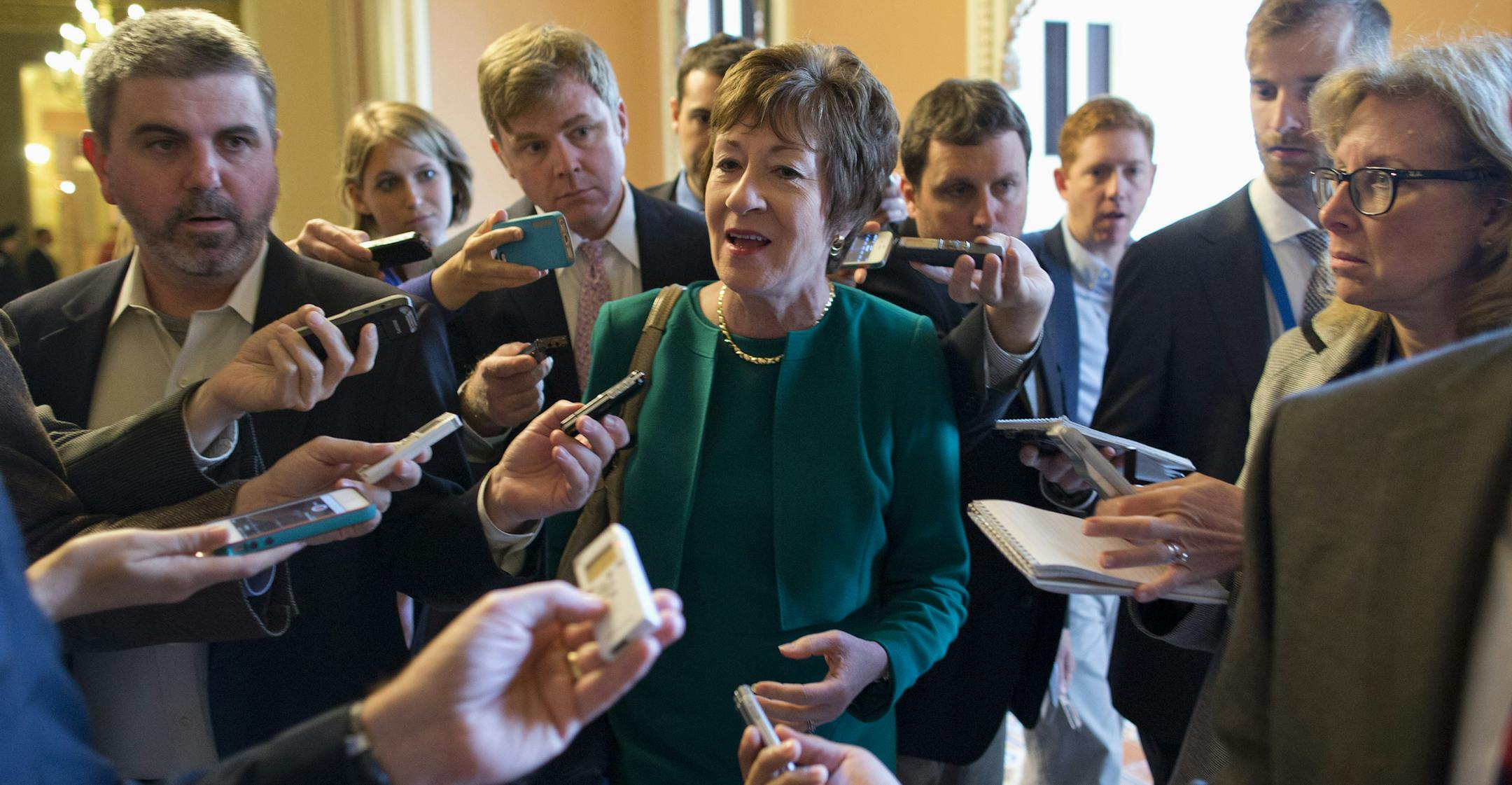
Beyond the potential for these policy changes, new voices have gained influence in Congress. Among them are moderate Republican Susan Collins of Maine and many of her female colleagues who helped create the impetus for the ultimate budget and debt deal. Meanwhile, some of the more extreme voices on the left and right have lost stature among their congressional colleagues. Both outcomes are good.
And, some key organizations that support a fiscally conservative agenda, including the U.S. Chamber of Commerce and the Minnesota Business Partnership, are telling obstructionist Republicans enough is enough. The MBP's executive director told Minnesota Public Radio, "… I think you'll see the business community support those who stood up and supported, ultimately, a compromise."
But, once voter backlash fades, will these positives also be lost? Already, these voices of moderation are coming under attack from the left and right. If these small steps toward effectiveness by policymakers are to become the beginning of a longer journey, voter discontent will need to be constructively channeled. In our view, one of the most intriguing new avenues for citizen involvement is No Labels (www.nolabels.org). The group's mission is to create "a voice for Americans, whatever their political ideology, to ensure our leaders in government will work across the aisle to solve problems."
George Bernard Shaw once wisely observed, "Democracy is a device that ensures we shall be governed no better than we deserve." That means that changing Washington's wayward ways must really start with us. Among other tools, No Labels offers objective information to help voters cut through the phony arguments that come from the right and left. The goal is to organize, inform and engage Americans to be better citizens and to expect better results from those we elect to serve us.


