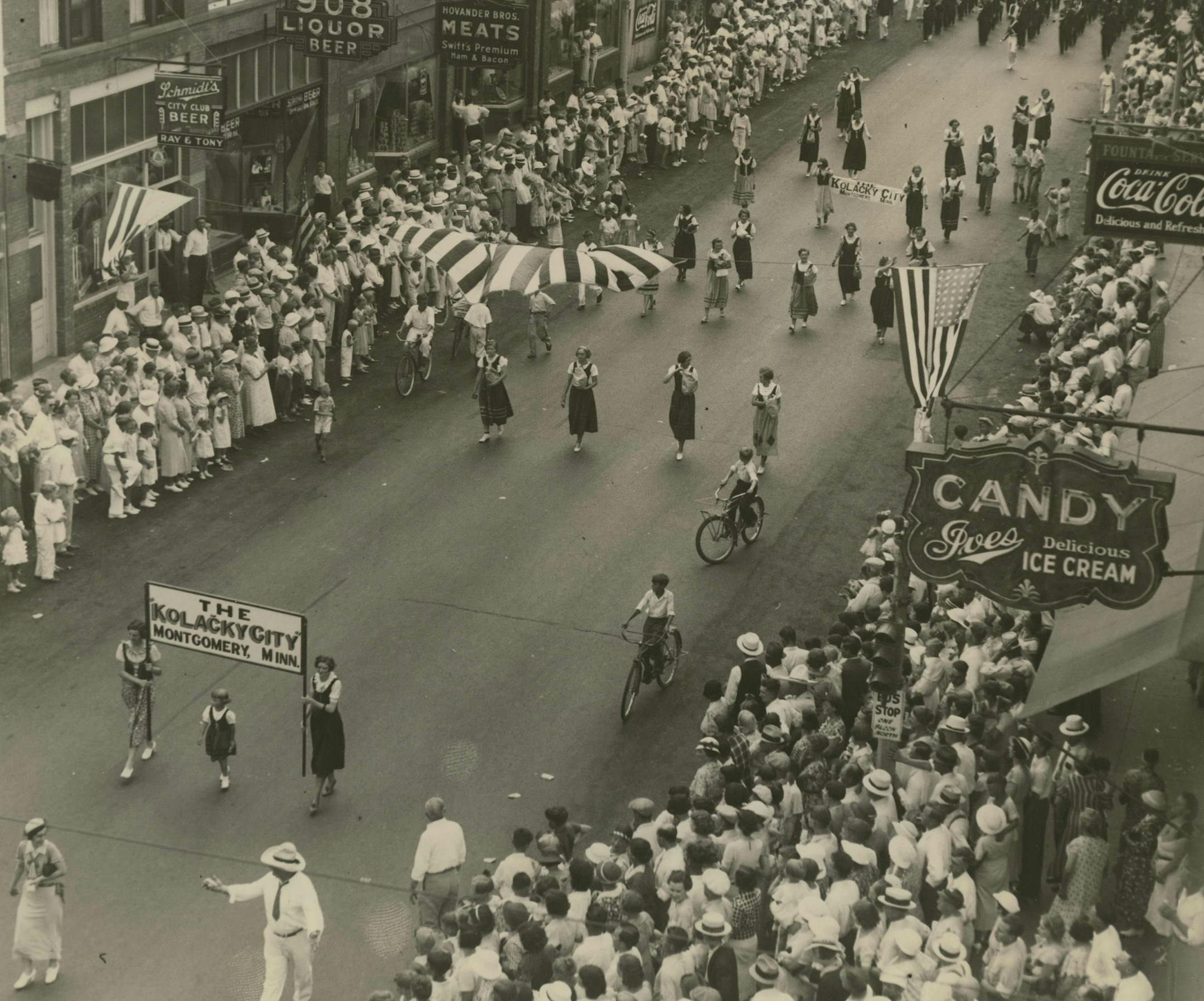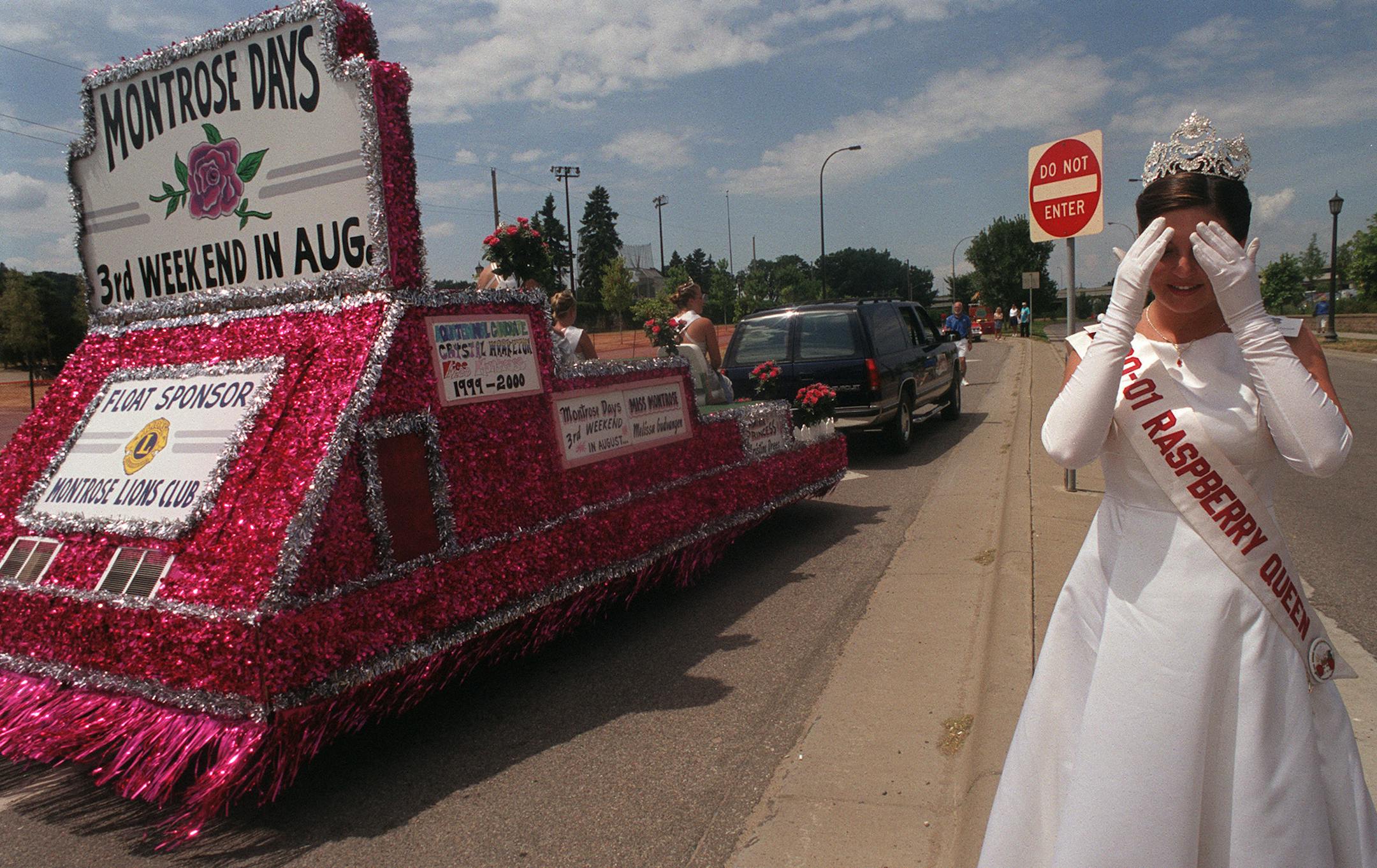
Raspberries proved a sweet reprieve for the farmers of Hopkins during some of the worst years of the Great Depression, and the Minneapolis suburb continues to pay tribute to the small red fruit as it prepares to roll out its 80th Raspberry Festival July 12 to 20.
A hot-weather community picnic in 1934, complete with "free ice cream for the youngsters," according to an article in the Hennepin Historical Review from that summer, was soon christened "Raspberry Day" and grew into a large-scale parade and all-out festival the following year.
For this year's celebration sponsors, donors and vendors have contributed an estimated $65,000, said Charles Yunker, spokesman for the Hopkins Raspberry Association, showing that Hopkins has turned the unassuming fruit into a point of pride rooted in its historically agricultural character.
"The festival was a marvelous idea," said Bob Miller, a former Hopkins mayor and current board member of the city's Historical Society. "This Raspberry Festival was different [from the county fairs]. They had something for everybody. They had softball tournaments, they had races, they had everything just to have a lot of fun. And they'd get 60,000 people in Hopkins."
"It became a very centralized and obvious approach to recognize annually this opportunity to sponsor and promote raspberries," said Jerre Miller, also on the board of the Hopkins Historical Society. "We'll call ourselves the capital, the world capital of raspberries."
Hopkins farmers sold their produce to in-town grocers and to surrounding areas, and boxcars laden with raspberries would often trundle their way to Chicago. The Millers recalled how nearly every child in Hopkins would be out plucking the ripe fruits from dawn to dusk.
"This isn't a back yard operation; this is 40 acres of raspberries, 40 acres of commerce," Bob Miller said.
And it was commerce that came to the forefront when Hopkins grocer Art Plankers suggested a raspberry-themed festival to rally the farmers who were watching raspberry prices dip lower and lower, according to documents at the Hopkins Historical Society.