

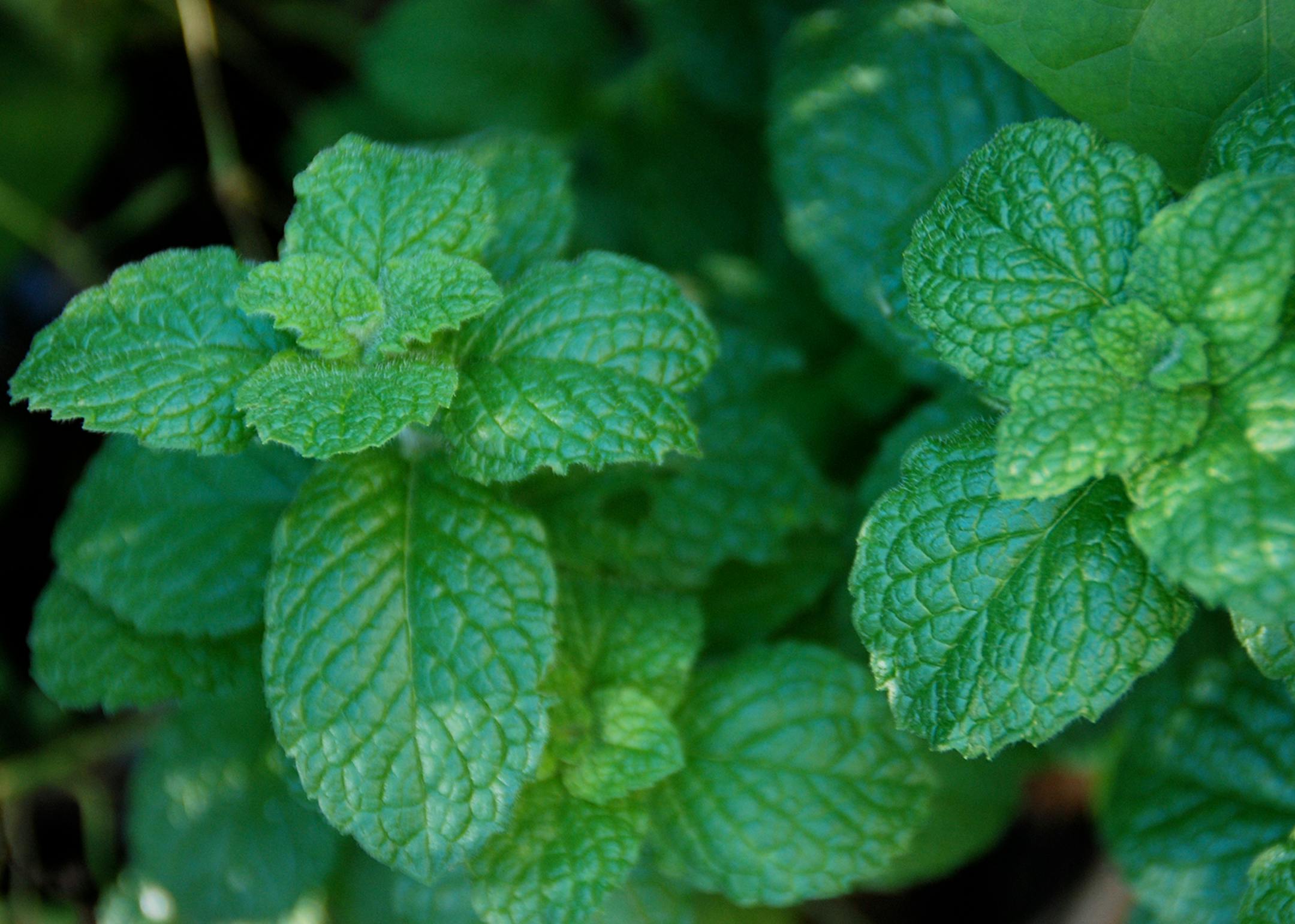
Add a bit of cool flavor to your beverages, meals and desserts this summer with homegrown mint.
Try using peppermint leaves in fruit cocktails and ice cream. Add spearmint to your tea or use the leaves to season lamb and jelly. Or try chocolate mint for a unique, sweet and refreshing flavor in desserts and drinks.
Mint is easy to grow and suited to container gardens. In fact, growing it in a pot will help keep this vigorous herb contained. Or sink a container of mint in the garden or plant where surrounding walks and walls will keep it in check. Keep a watchful eye and remove any unwanted plants as they appear.
Grow mint in full sun to partial shade in a location with moist, well-drained soil. Mulch the soil to conserve moisture.
Though hardy in zones 3 to 11, you will need to provide a bit of winter protection when growing mint in containers in colder regions. Either sink the container in a vacant spot in the garden or move the planter into an unheated garage. Water thoroughly whenever the soil is thawed and dry.
Gardeners lacking outdoor growing space or in areas with cold winters can also grow this herb indoors. Grow mint in a quality, well-drained potting mix. Place in a sunny window or under artificial lights and keep the soil evenly moist.
Harvest the mint leaves as needed. Cut leafy stems off the plant just above a healthy leaf or bud so the wound closes faster and the remaining plant will look better. Rinse off the clippings and remove tough stems and bad leaves before adding mint to your favorite beverage or dish.
You'll enjoy the most intense flavor when harvesting mint just before the plants begin to flower. This is the best time to make larger harvests for drying and freezing. Fortunately, you can remove up to 75% of foliage from an established plant. Watch for fresh, new growth and continue to harvest as needed.


