
Harsh times for birds in South Dakota

September 8, 2017 at 4:38PM
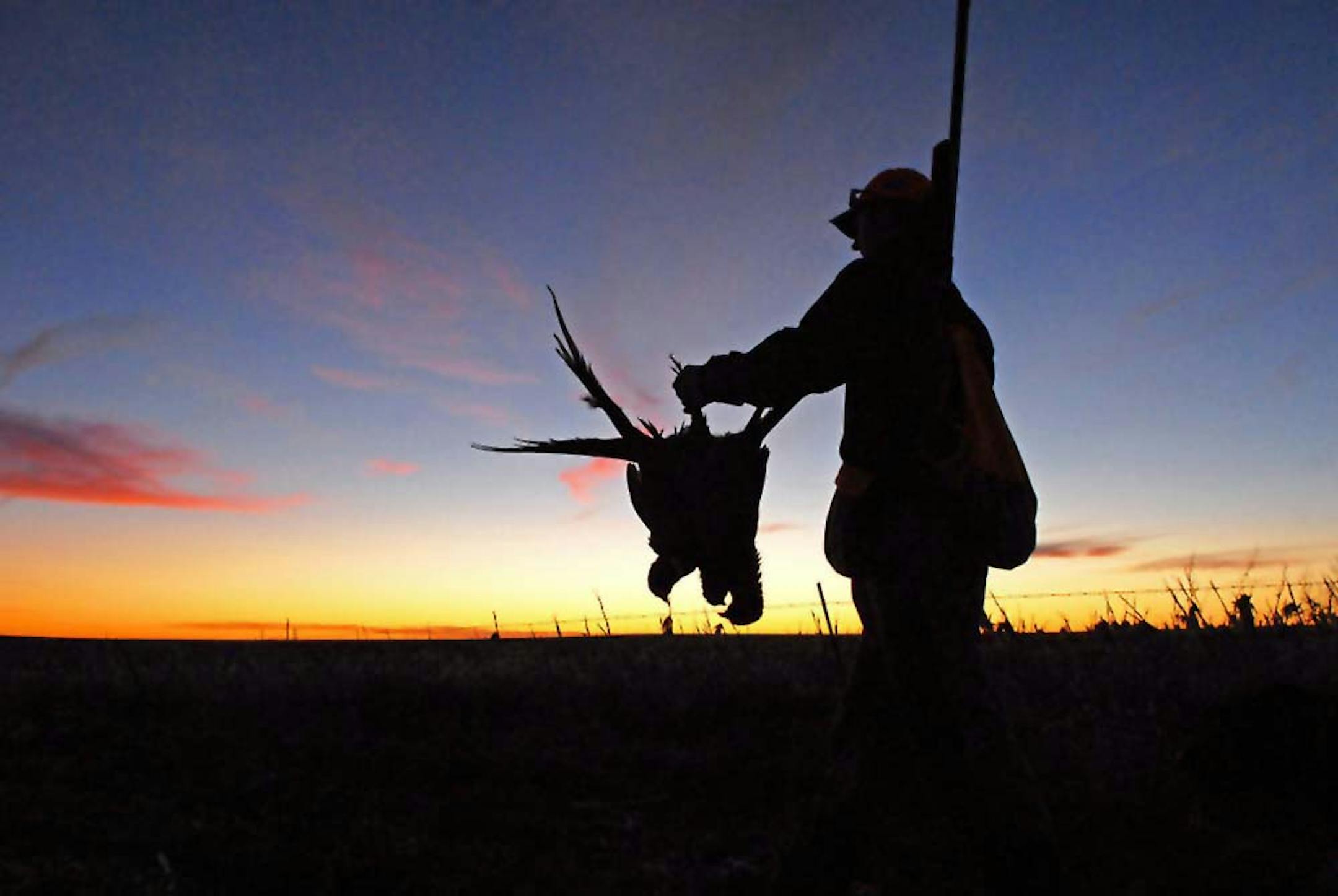
The prospect of ending a day's outing with a three-bird limit of rooster pheasants has kept tens of thousands of non-resident hunters returning to South Dakota each fall. But with a conversion of conservation acres and grasslands to row crops, the heyday of the state's ringneck hunting may be past.
The prospect of ending a day's outing with a three-bird limit of rooster pheasants has kept tens of thousands of non-resident hunters returning to South Dakota each fall. But with a conversion of conservation acres and grasslands to row crops, the heyday of the state's ringneck hunting may be past. (Billy Steve Clayton — Star Tribune/The Minnesota Star Tribune)

If you're a pheasant hunter who has a relationship with South Dakota, you understand the bad news.

Grasslands on either side of the northern Missouri River were parched to the extent of driving down insect populations, leaving birds hungry. The drought was so bad during April, May and June that some land never greened up. Later, farmers were allowed under emergency rule to mow down critical pheasant habitat to feed livestock.

In short, the persistent blight wreaked havoc on reproduction and left the birds vulnerable to predators.

But before you cancel your trip, it's still worth checking on local conditions. Plenty of landowners manage agriculture with pheasants in mind. In some pockets, wheat fields were left in place to provide cover and food.

Tony Kennedy

about the writer

about the writer

More from No Section

See More
FILE -- A rent deposit slot at an apartment complex in Tucker, Ga., on July 21, 2020. As an eviction crisis has seemed increasingly likely this summer, everyone in the housing market has made the same plea to Washington: Send money — lots of it — that would keep renters in their homes and landlords afloat. (Melissa Golden/The New York Times) ORG XMIT: XNYT58
Melissa Golden/The New York Times

It’s too soon to tell how much the immigration crackdown is to blame.