The movie version of "Gone With the Wind" turns 75 this year. So does "The Wizard of Oz."
And "Mr. Smith Goes to Washington." "Stagecoach." "Of Mice and Men."
Seventy-five years ago, Laurence Olivier starred in "Wuthering Heights," Robert Donat in "Goodbye Mr. Chips" (who won the best-actor Oscar), Greta Garbo in "Ninotchka."
"The Roaring Twenties" starred James Cagney and Humphrey Bogart — and contained one of the great death scenes in film. "The Women," based on the play by Clare Boothe Luce, boasted a cast with screen legends Joan Crawford, Norma Shearer, Rosalind Russell, Joan Fontaine and Paulette Goddard; it has been remade twice.
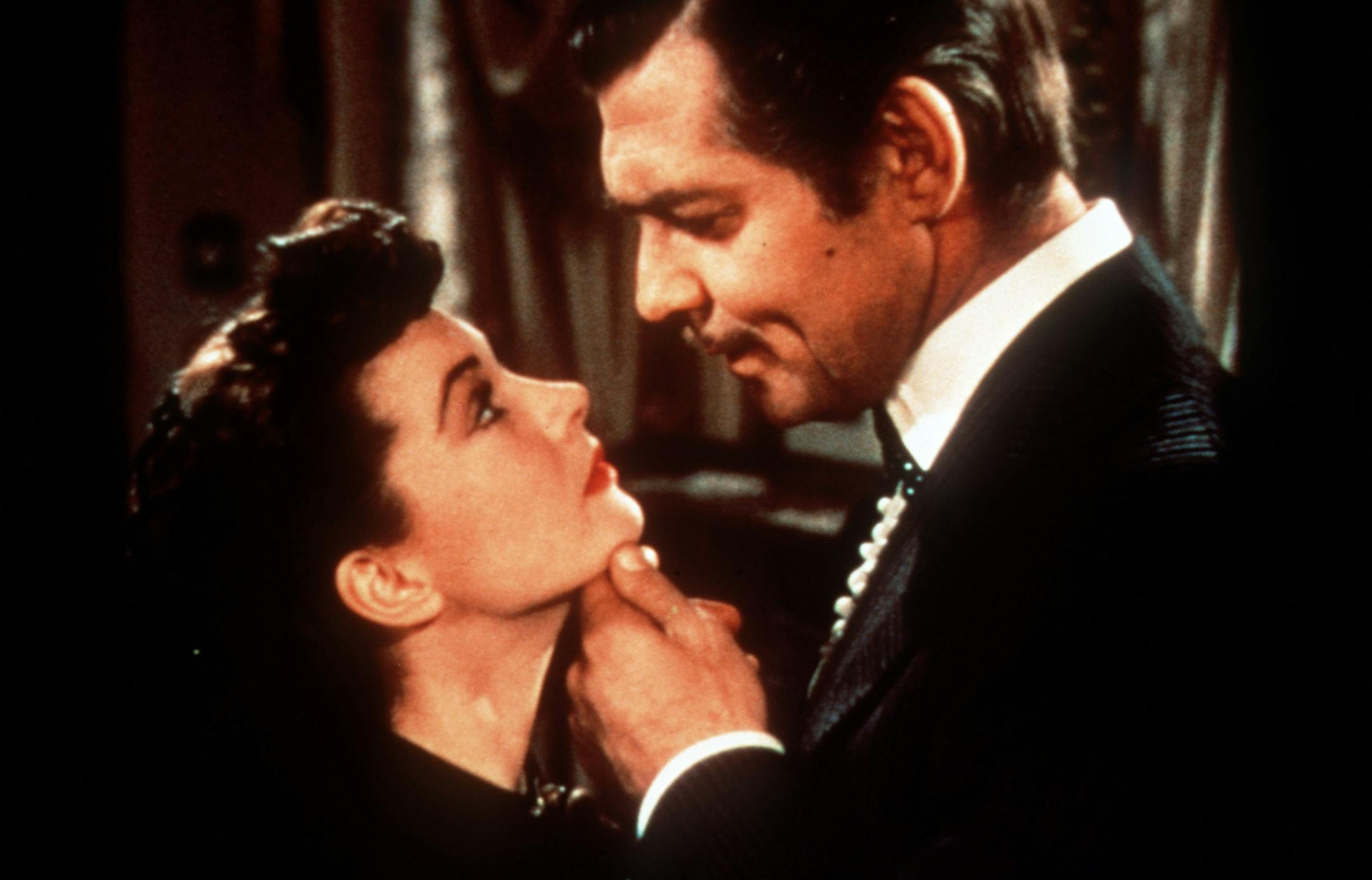
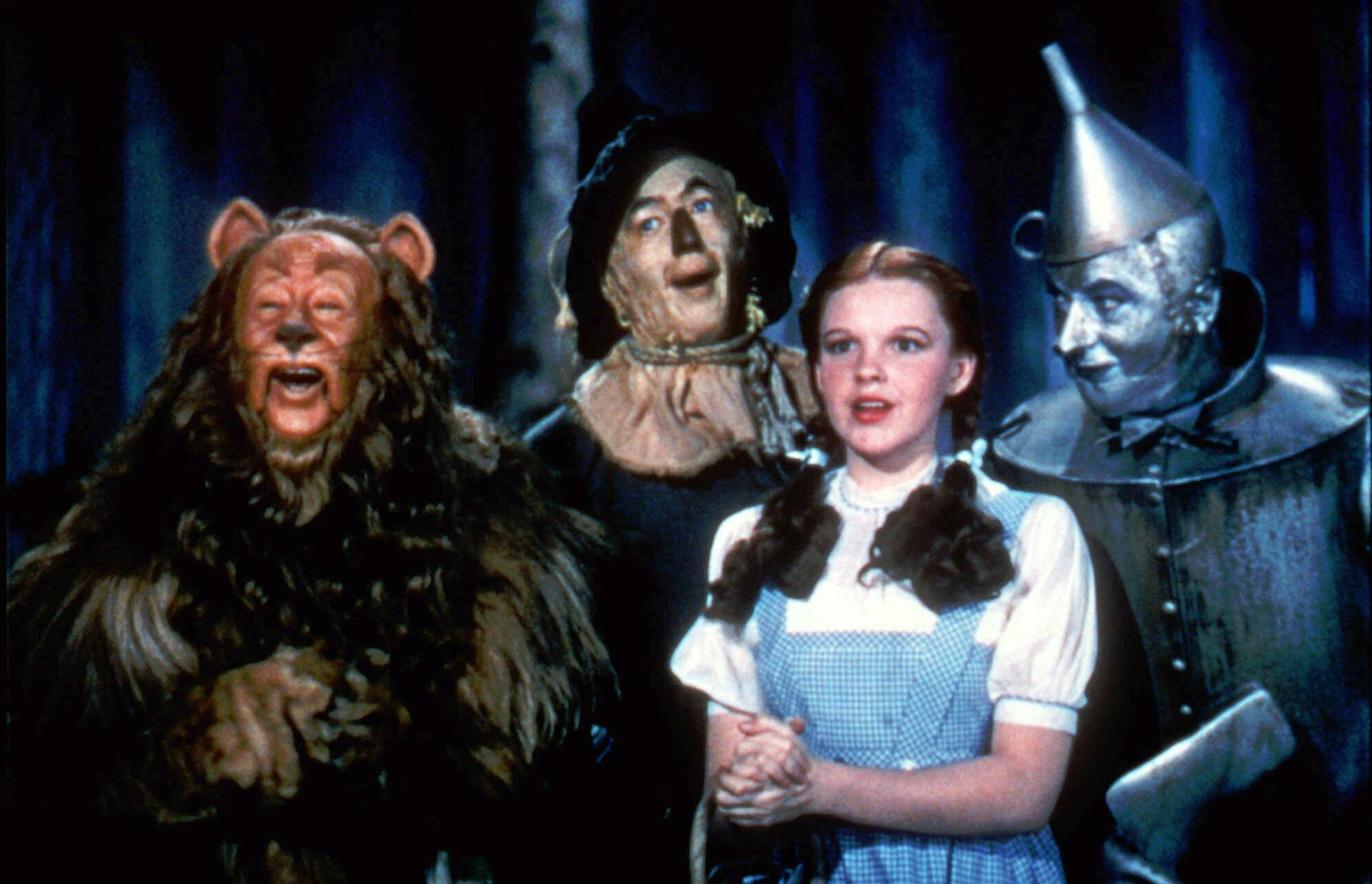
Think of the images that have been burned into our brains from that year. Clark Gable and Vivien Leigh, James Stewart standing defiant in the Senate, John Wayne in one of his most iconic poses. Dorothy, the Tin Woodsman, Cowardly Lion and Scarecrow. Toto, too.
That's a lot to celebrate, and some film buffs have proclaimed 1939 the greatest year in film. Here's some more evidence: According to various surveys by the American Film Institute, 1939 contains two of the 10 best American movies of all time ("Gone With the Wind" and "The Wizard of Oz"), the only year with more than one top-10 movie.
It had AFI's winner for the best quote ("Frankly, my dear, I don't give a damn"), best song ("Over the Rainbow") and best fantasy film ("Oz" again). "Mr. Smith" is a top-five inspirational film for the AFI, and "Stagecoach" a top-10 western.
The 10 nominees for best picture of 1939 have "GWTW" (the winner), "Mr. Chips," "Mr. Smith," "Ninotchka," "Of Mice and Men," "Stagecoach," "Oz," "Wuthering Heights" — and "Dark Victory" with Bette Davis and "Love Affair," which inspired "An Affair to Remember" (twice) and, by extension, "Sleepless in Seattle."