

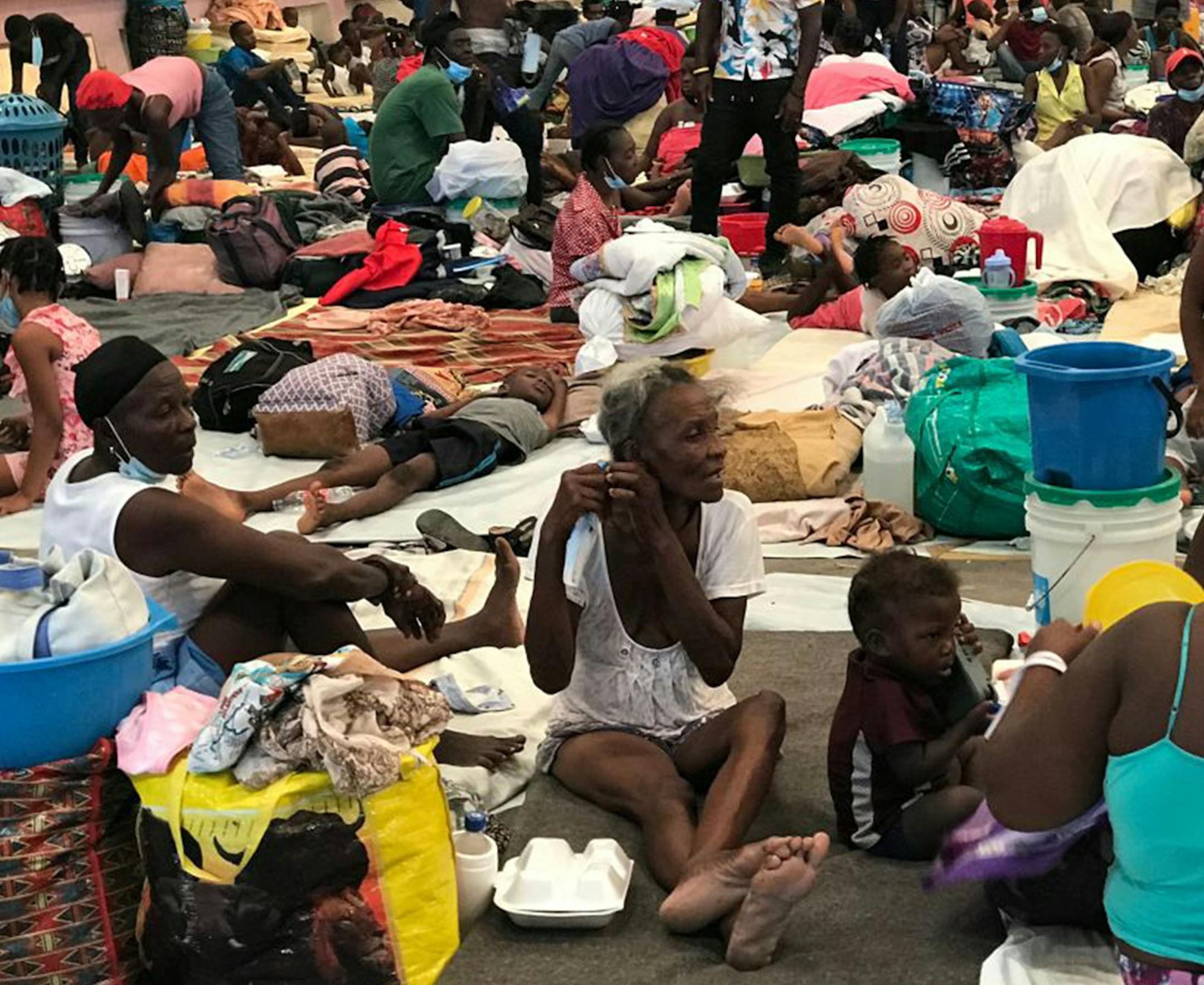
Even without a global pandemic, Haiti's children faced a hunger crisis. Now it's getting worse.
COVID-19, an economy already in free fall, droughts and intense tropical storms, gang violence and chronic instability are not only raising levels of hunger in Haiti but also leading to increased levels of severe child malnutrition, the head of the United Nations' leading child advocacy group in the Caribbean nation has warned.
The number of children suffering from "severe acute" childhood malnutrition has more than doubled, increasing from 41,000 last year to an estimated 86,000 children this year, said Bruno Maes, UNICEF's representative in Haiti,
"There are now 217,000 Haitian children ages 6 to 59 months who now suffer from acute malnutrition," Maes said, citing a U.N. survey.
Malnutrition in Haiti, he said, is related to several factors, including the drought-driven crisis in the 1990s and 2000s, and the 2010 earthquake, all of which have affected nearly 5 million people in Haiti.
Five out of eight children in Haiti, he said, suffered from chronic malnutrition last year.
UNICEF's estimates come as the agency launches an emergency appeal for $3 million to purchase meals for the next six months, and to support Haiti's Ministry of Health in protective measures like identifying children who need assistance and getting them help. The funding is urgently needed, UNICEF said, because in the next few weeks it will run out of lifesaving, ready-to-use therapeutic food.
"It puts 86,000 children affected by severe acute malnutrition [risking] the worst complications, unless additional funding is provided," Maes said. "It's a critical investment because investing at the very beginning of a child's life is the best investment a country can make."


