

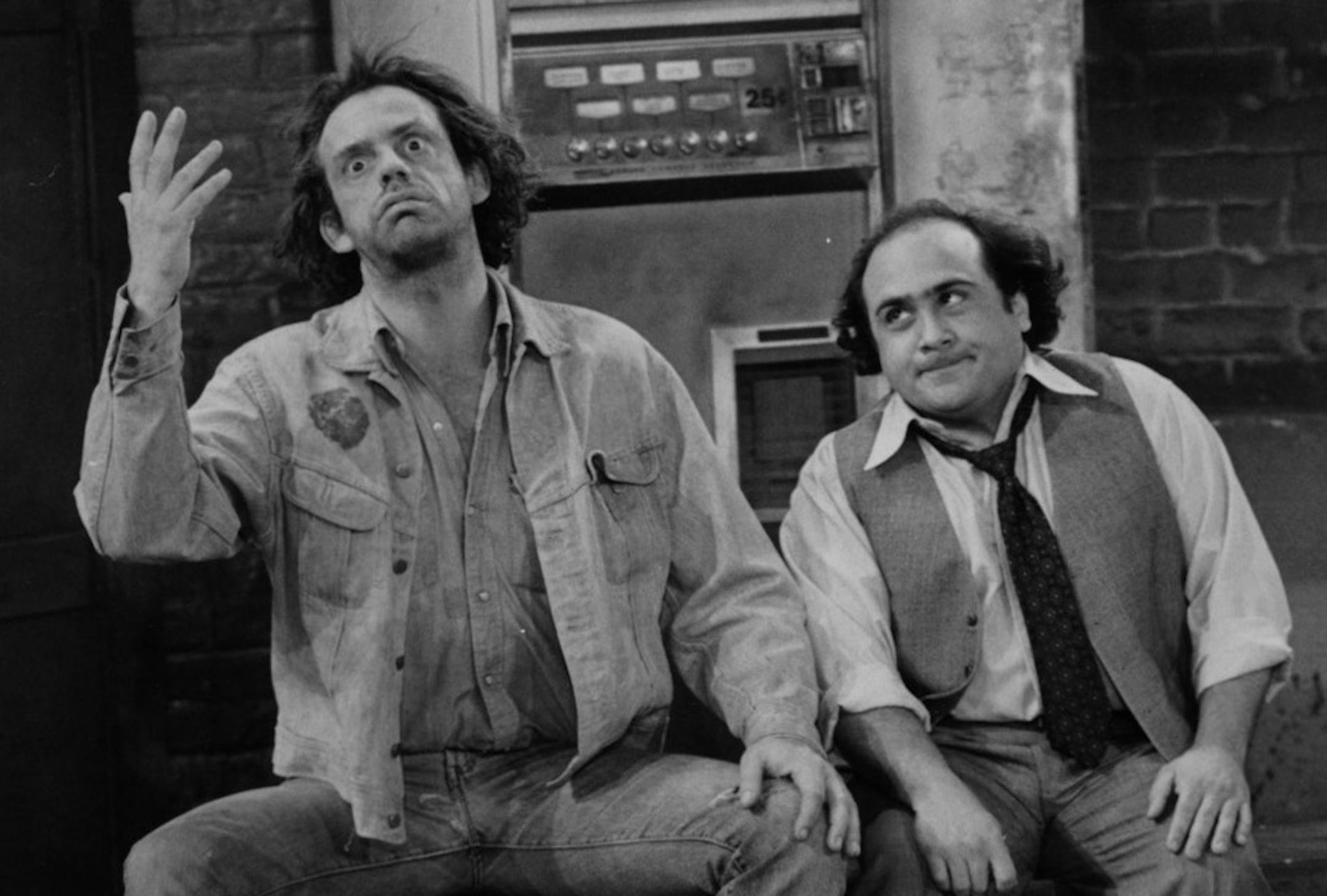
Viewers love a loser. We daydream about saving one of Mary Richards' horrendous dinner parties, cooing "Soft Kitty" to Sheldon Cooper, picking up the bar tab for Cliff Clavin.
But if you really want to rescue the downtrodden, step into the bowels of the Sunshine Cab Co.
From 1978 to 1983, this New York grease pit doubled as purgatory for the cabbies of "Taxi," a sitcom custom-made for binge watching in these somber times.
At first, the rodent-infested digs may not seem inviting. The only sign of life is a never-ending poker game. The vending machine stocks apples dating back to the Great Depression. The furniture could have been designed in a high school shop class. Its opening theme sounds like something Randy Newman wrote for a funeral.
The characters aren't any more glamorous. Boxer Tony Banta spends far too much time on the mat. Aspiring actor Bobby Wheeler can't even land a commercial. Dispatcher Louie De Palma is so morally corrupt, it's a wonder he's not on the city council.
Some of the most memorable episodes can trigger "This Is Us"-sized tears. I get goose bumps thinking about when driver Elaine Nardo has one last dance with the love of her life before he returns to his monastery, or when De Palma shares the shame he feels shopping for suits in the husky boys' department.
The show's creators had experimented with introducing melodrama to the sitcom format in the early '70s. James L. Brooks and Stan Daniels came from "The Mary Tyler Moore Show." David Davis co-created "The Bob Newhart Show."
But "Taxi" dared to be more downbeat than any other network sitcom not set in Korea. The writers knew they could simultaneously pull at the heartstrings and the funny bone, as long as they had the right cast.


