The heart of a densely populated Minneapolis neighborhood is under a gypsy moth quarantine, and that has put specific state-imposed expectations on residents.
The roughly yearlong quarantine covering part of the Lowry Hill neighborhood began Saturday after a resident reported a significant gypsy moth infestation on trees, according to the Minnesota Department of Agriculture (MDA).
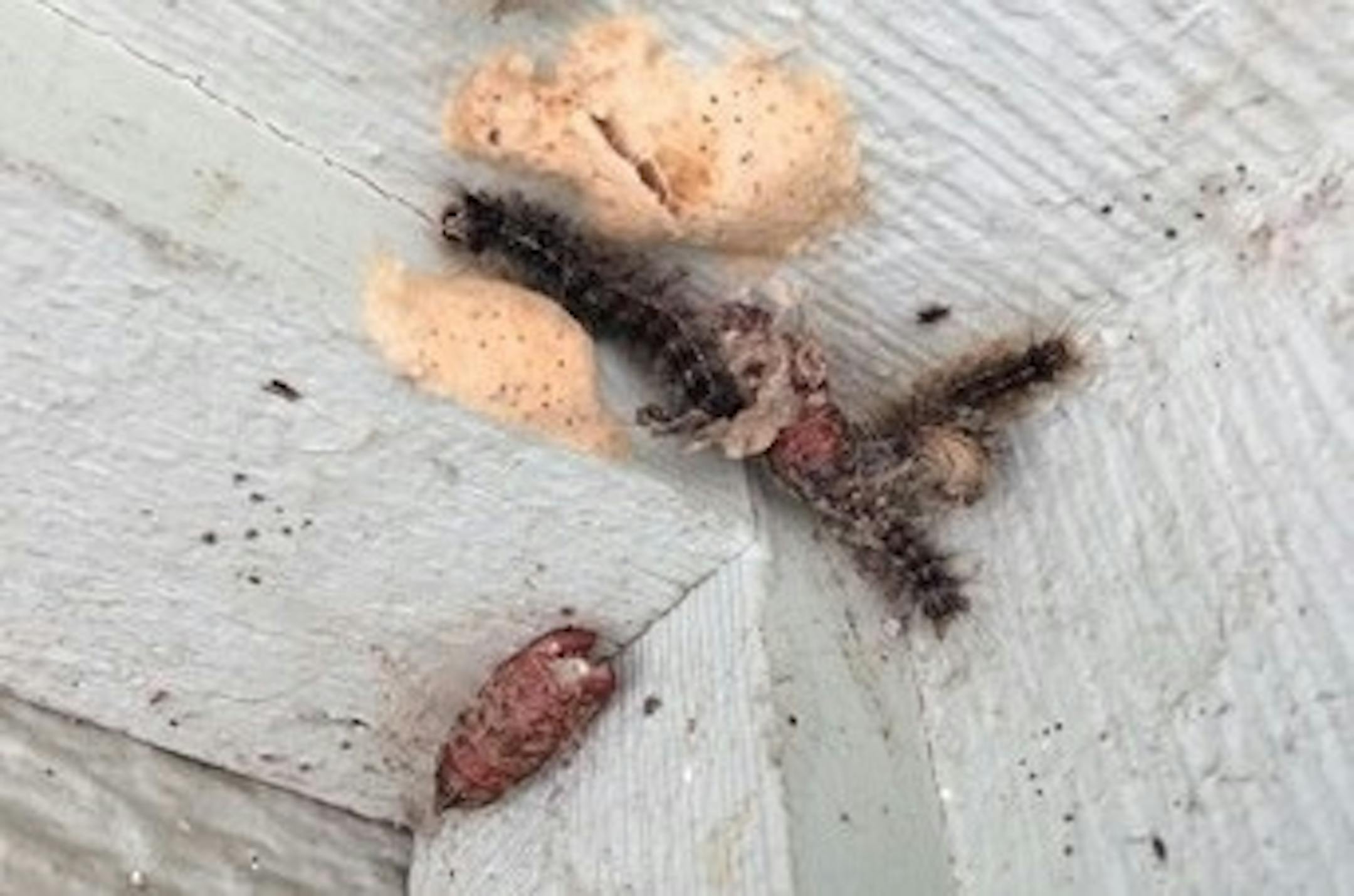
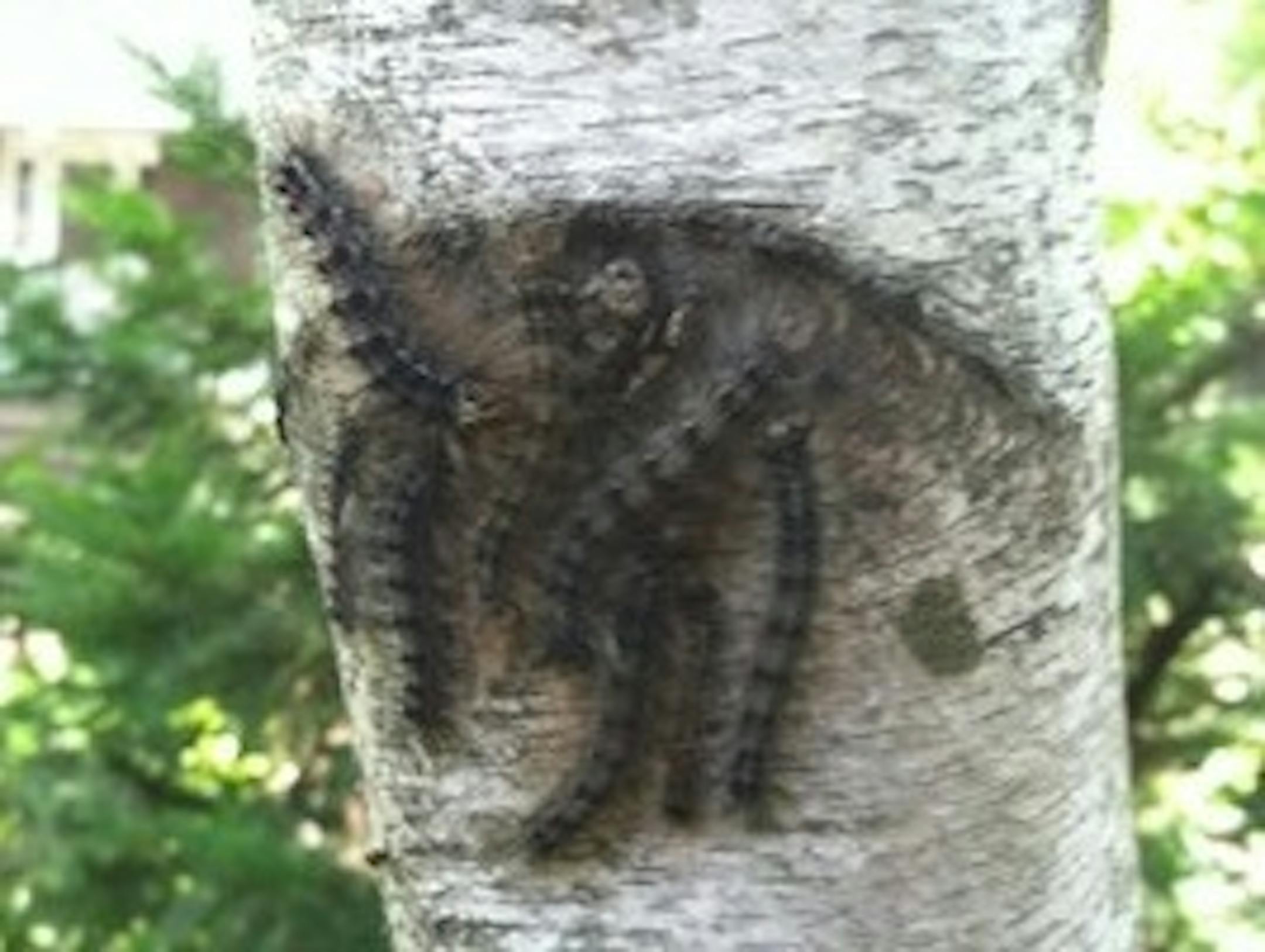
An MDA staff member went to the scene and "found thousands of gypsy moth caterpillars that had already started defoliating trees," a statement from the agency read.
Gypsy moths, an invasive species from Europe, have caused millions of dollars in damage to trees in the eastern United States. They are common in Wisconsin and "are now threatening Minnesota," the agency statement continued.
"This is one of the worst gypsy moth infestations I have seen," Kimberly Thielen, the MDA's gypsy moth program supervisor, said in a statement that accompanied the quarantine announcement. "Trees and outdoor items are covered with caterpillars. We're confident this insect came to Minneapolis through the movement of infested wood or outdoor items."
The newly quarantined area is bounded by Mount Curve Avenue on the north, Franklin Avenue on the south, Irving Avenue on the west and Dupont Avenue on the east.
Traps, restrictions
The MDA has placed traps throughout the area to measure the breadth of the infestation. Once the agency treats the area for gypsy moths sometime next year, then the quarantine can be lifted.
Here is the impact of the quarantine on the area's residents: