GUANTANAMO BAY, Cuba - Holding Nazi war criminal Rudolf Hess as the lone prisoner in Germany's Spandau Prison in 1985 cost an estimated $1.5 million in today's dollars. The per-prisoner bill in 2012 at the "supermax" facility in Colorado, home to some of the highest-risk prisoners in the United States, was $78,000.
Then there is Guantanamo Bay, where the expense now works out to about $13 million for each of the 40 prisoners being held there.
According to a tally by the New York Times, the total cost last year of holding the prisoners — including the men accused of plotting the Sept. 11, 2001, attacks — paying for the troops who guard them, running the war court and doing related construction, exceeded $540 million.
The cost of $13 million per prisoner almost certainly makes Guantanamo the world's most expensive detention program. And nearly 18 years after the George W. Bush administration took a crude compound called Camp X-Ray and hastily established it as a holding station for enemy fighters picked up in the war on terrorism, it has taken on a sprawling and permanent feel, with the expense most likely to continue far into the future.
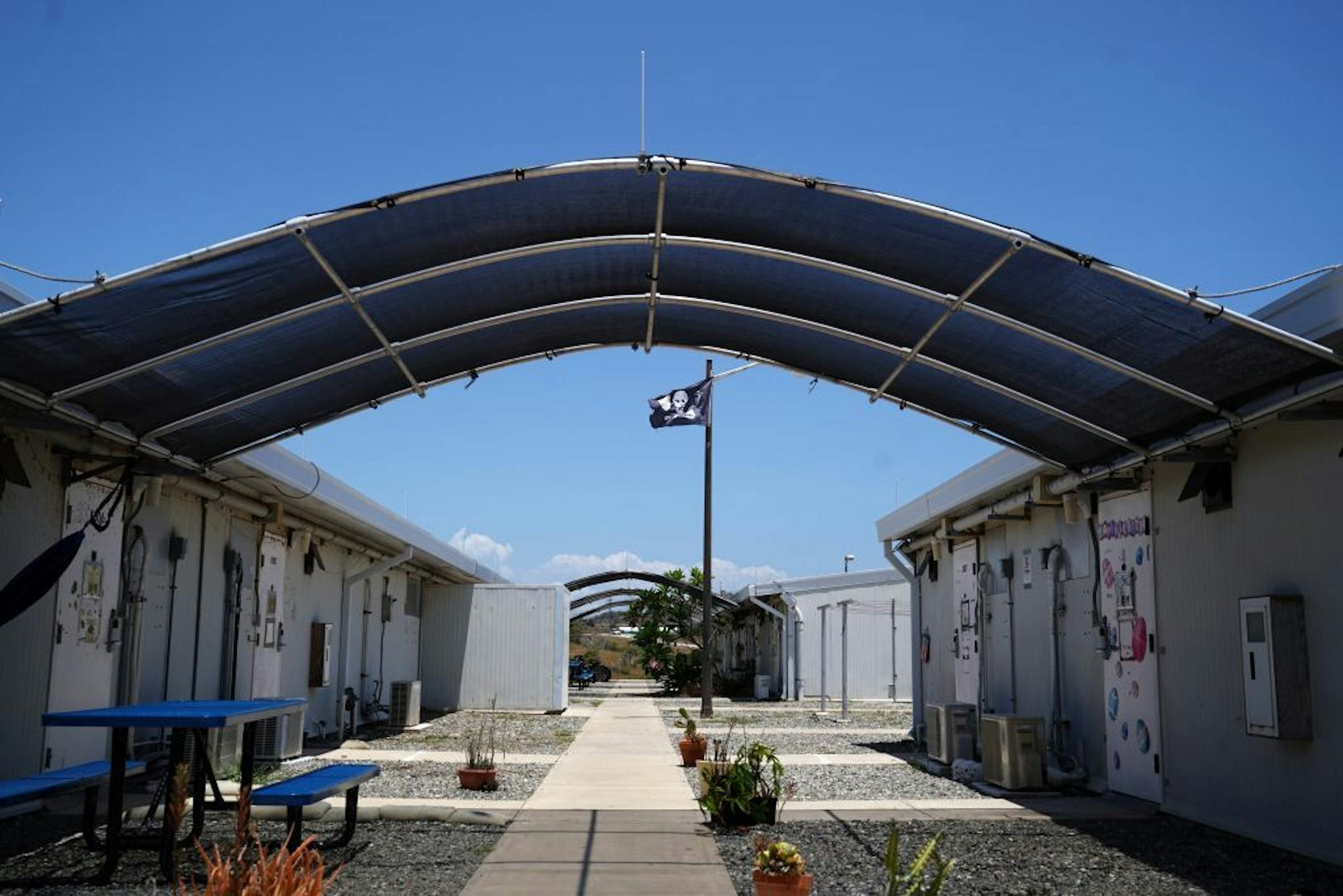
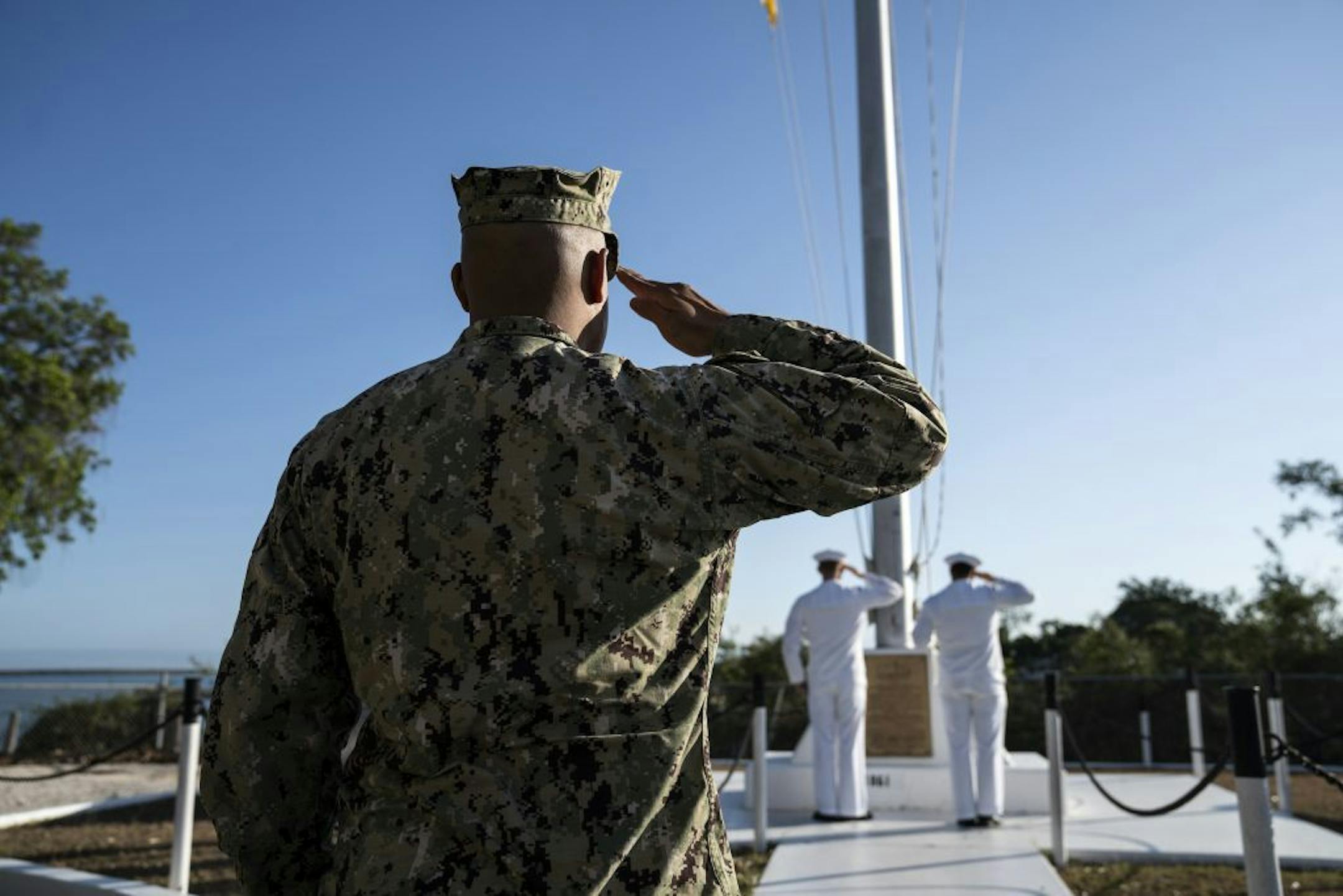
Because of the relative isolation of its location on a U.S. Navy base on Cuba's southeast coast, the military assigns around 1,800 troops to the detention center, or 45 for each prisoner. The troops work out of three prison buildings, two top-secret headquarters, at least three clinics and two compounds where prisoners consult their lawyers. Some also stand guard across the base at Camp Justice, the site of the war court and parole board hearing room.
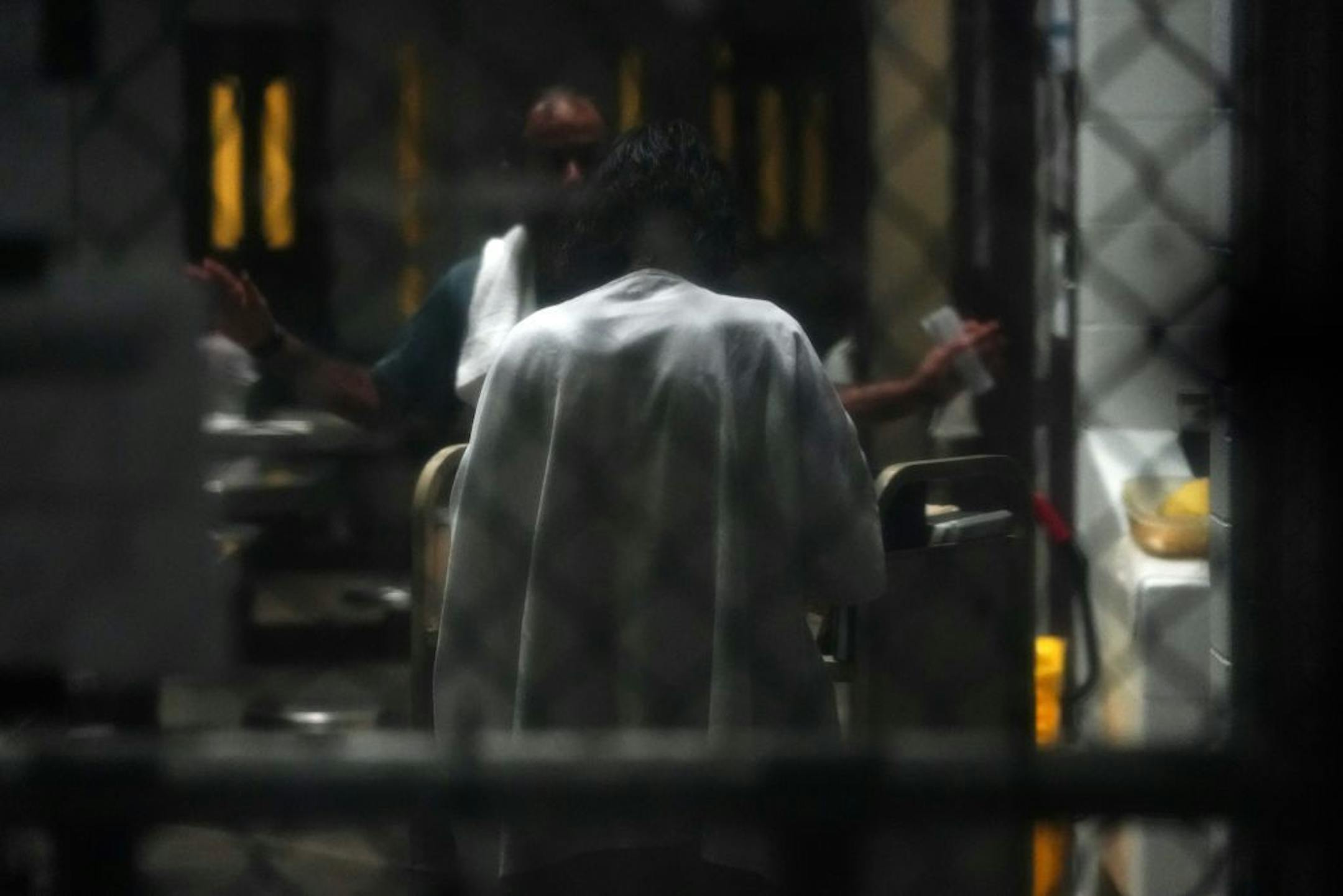
The prison's staff members have their own chapel and cinema, housing, two dining rooms and a team of mental health care workers, who offer comfort dogs.
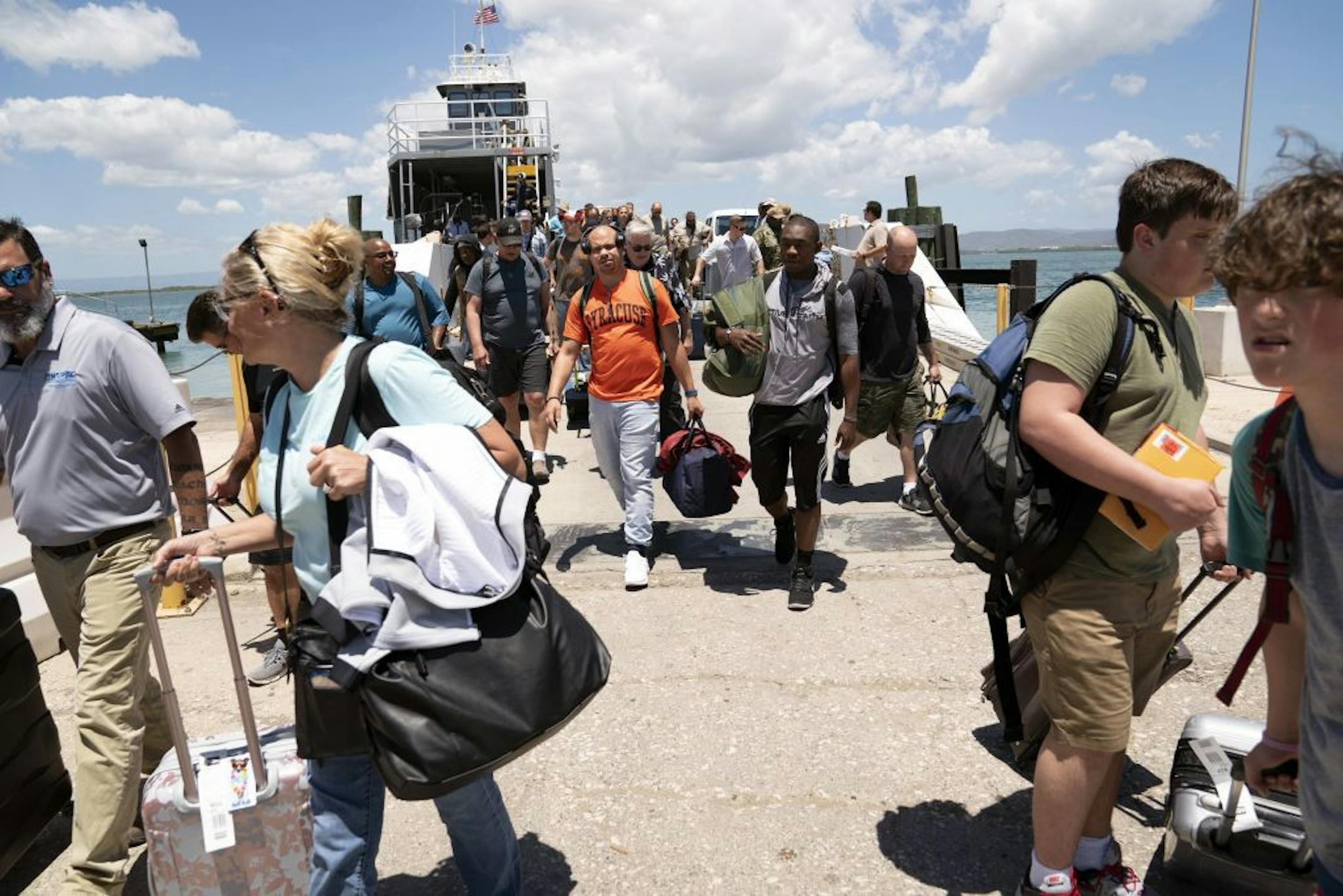
Judges, lawyers, journalists and support workers are flown in and out on weekly shuttles.
The 40 prisoners, all men, get halal food, access to satellite news and sports channels, workout equipment and PlayStations. Those who behave — and that has been the majority for years — get communal meals and can pray in groups, and some can attend art and horticulture classes.