

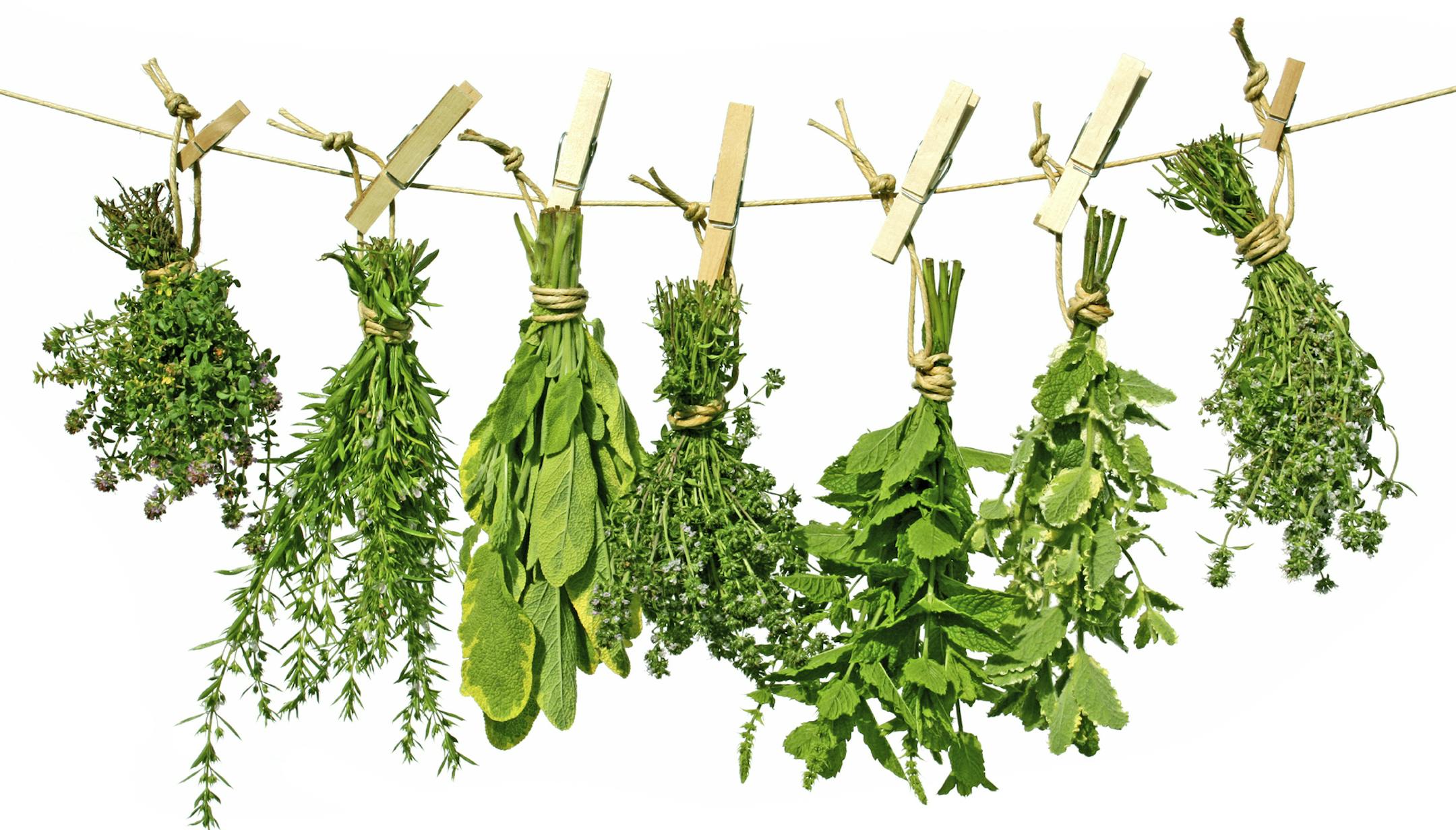
For those cooks who pine for the spontaneity of pinching off a sprig of oregano or basil leaf, consider this: Grow your own.
I know, I know. You planted them a while back in the harsh sun, forgot to water them and they disappeared into the earth. That happens when you neglect any plant, and especially the more delicate ones.
Think of herbs as you would puppies, said Paige Pelini, co-owner of Mother Earth Gardens in Minneapolis, especially if you're growing them in pots, where they need attention every day. In the ground, they're more self-sufficient, but they still need an inch of water a week. That's not a lot of effort for plants that have such an impact on dinner.
There's not much more to growing them than that. Really. Pelini and Bonnie Dehn of Dehn's Garden in Andover, offer their tips on putting together a kitchen garden of herbs.
Start with the basic four
Plant only a few herbs until you are comfortable with the results. A typical starter kit includes parsley, basil, chives and mint. For parsley, you have two options: the curly variety, its familiar wave a garnish on many restaurant plates, and the Italian flat-leaf that's more often used in cooking. Whichever your preference, don't relegate it to a bit part on the menu. Toss it in salads. Add it to soups. Experiment.
For basil, the choices of variety are plentiful. The traditional leaves found in the produce aisle are for Italian basil, the type used to make pesto. Toss those leaves into salads, too (use as you would spinach). Once you've tried the traditional leaf, branch out to other basils: cinnamon, for example, one of Dehn's favorites. "I pick off the blooms and use them for potpourri. I use the leaves with chicken and fish, as well as turkey and pasta salads."
Pelini uses chives as a quick pick-me-up on a dish. Dehn reaches for them daily, sprinkling them everywhere, from baked potatoes to casseroles. "Remember those little blooms — the flowers are edible, even the buds, which taste like an onion-flavored mushroom. Sauté the buds or put them on a shish kebab," she noted.
You can't have a mojito without mint, which is also terrific to drop into lemonade or iced tea. "Bruise" the leaves so they give up their flavor. Use a muddler when the leaves are for cocktails, or stir firmly with a spoon. Be sure to grow mint in a pot and not in the garden itself. "Mint doesn't play nicely with others," said Pelini about the herb's tendency to take over.


