

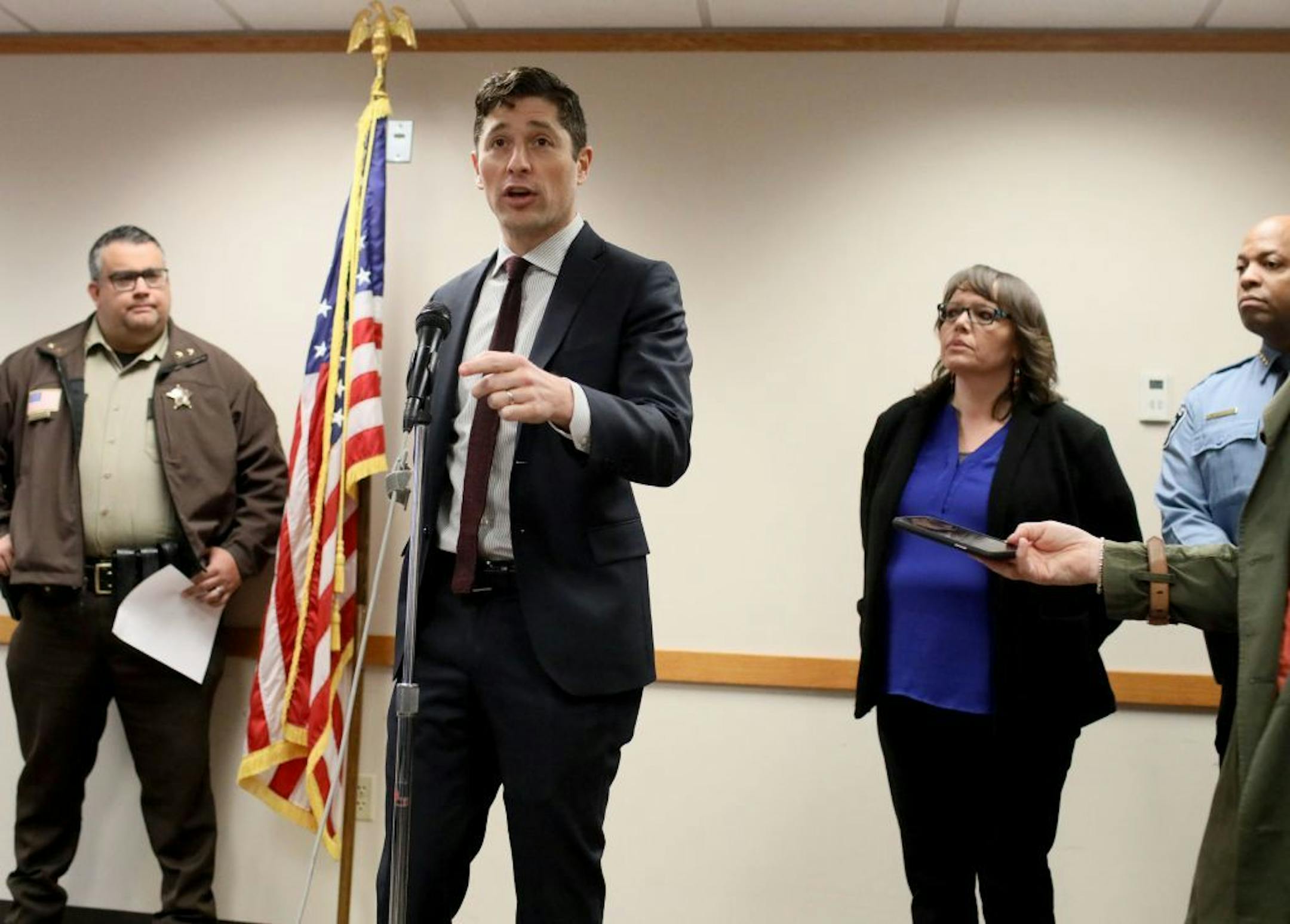
An opioid addiction program for incarcerated people in Hennepin County has started treatment for 203 people since January — a number that officials are expecting to rise as the opioid epidemic rages on.
Under the program, people being held in Hennepin County jail and workhouses receive Suboxone, what's known as medication-assisted treatment, a buprenorphine drug that can come in the form of a pill or a strip that patients dissolve under their tongues.
The program was launched after a study released in November found that nearly 30% of all opioid deaths among former inmates across Minnesota occurred within one year of release. The county Health Department brought the program idea to the Sheriff's Office and other emergency personnel, and they helped to launch it.
"We were not at all surprised that each month we've had more and more people start treatment while they're detained," said Julie Bauch, opioid response coordinator for the Hennepin County Public Health Department.
With programs like this one, local health departments' efforts on opioid response and partnerships with emergency personnel and nonprofits are driving policy and helping people access critically needed treatment and services, according to a report released this week by the National Association of County and City Health Officials.
The report surveyed 198 city and county health departments about programs they are implementing to curb opioid misuse and addiction.
Local health departments surveyed were more likely to directly provide community education, connections to treatment, medication take-back programs and outsourcing to partners for access to naloxone, prescriber education and stigma prevention. The departments and their partners were least likely to offer testing for fentanyl and other drugs, methadone-assisted treatment and detox programs.
A common challenge for local health departments in Minnesota is lack of dedicated funding for opioid misuse and overdose programs, says Deb Burns, deputy assistant commissioner for health improvement at the Minnesota Department of Health. She said local health departments are the "conveners in their communities."


