

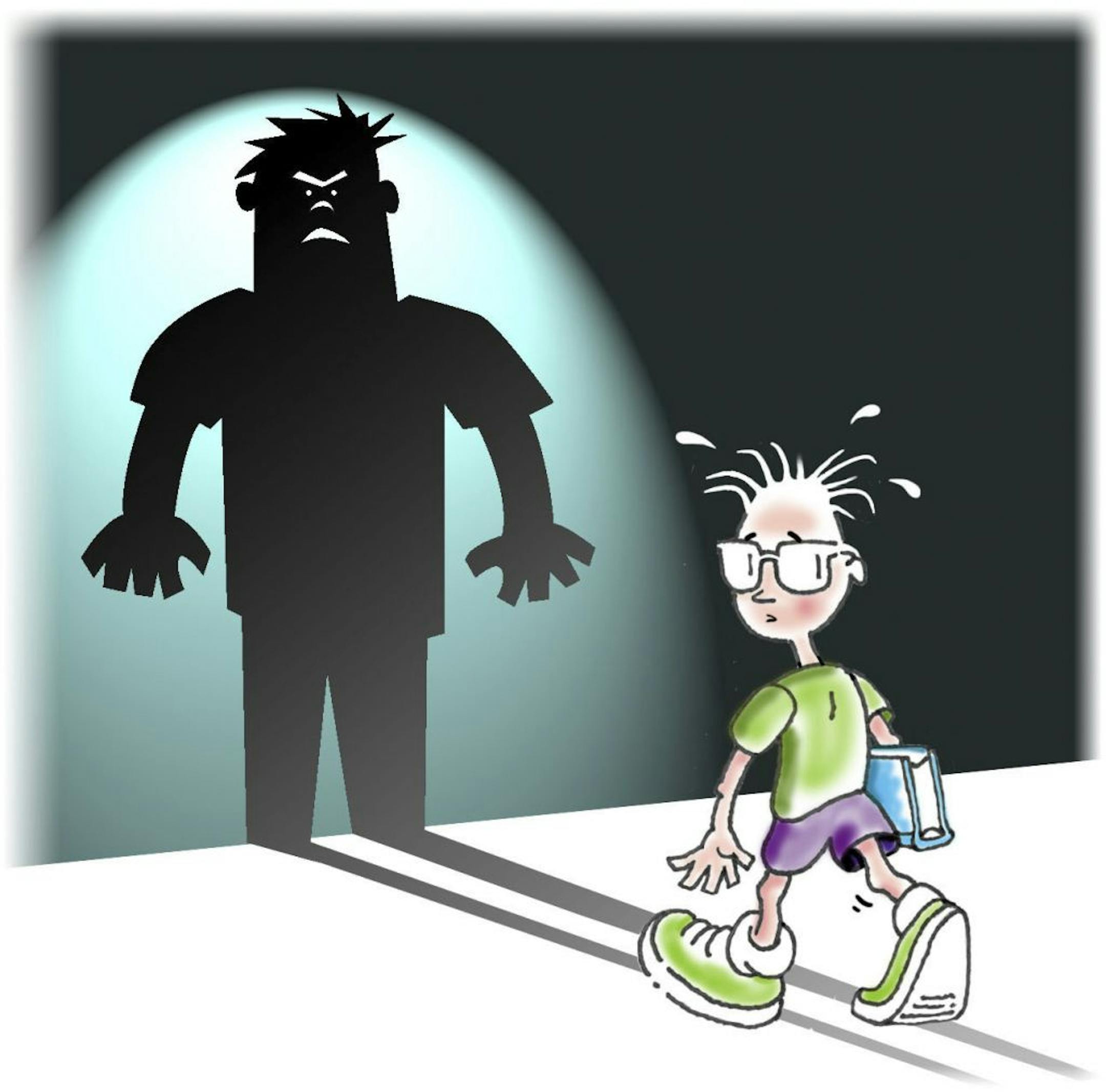
Does a month make a difference? The folks at PACER National Bullying Prevention Center hope so since they've designated October as National Bullying Prevention month.
The Minneapolis-based organization, part of the PACER Center for children and young adults with disabilities, is determined to raise awareness on bullying by providing education and engaging communities to end the culture where such torment can flourish.
"Bullying has been around for a long time, but the evolution of technology has brought bullying to another level," said Julie Hertzog, executive director of the National Bullying Prevention Center. "Cyberbullying has become like the modern bathroom wall. People can anonymously and without thought say things to hurt others."
This is the first generation that has access to this kind of bullying, but the primary place where bullying begins is still at school. PACER has surveyed kids on the subject and while they say it's most likely to occur in places with less direct adult supervision, like the playground or lunchroom, subtle bullying behavior such as eye rolling can easily happen in the classroom, said Hertzog.
What's a parent to do?
PACER has developed information for teachers and parents around the subject of bullying awareness and prevention. Hertzog often fields inquiries from parents wondering what to do if their child is bullied.
"One of the most important steps is to document the entire process of what is happening to the child," she said. "Parents should also request a copy of their school district's policy on bullying."
It's also vital to talk to your child about what they want to see happen and empower them in the situation. From there, families often meet with the child's teacher, and if necessary, the principal, to seek a solution.


