

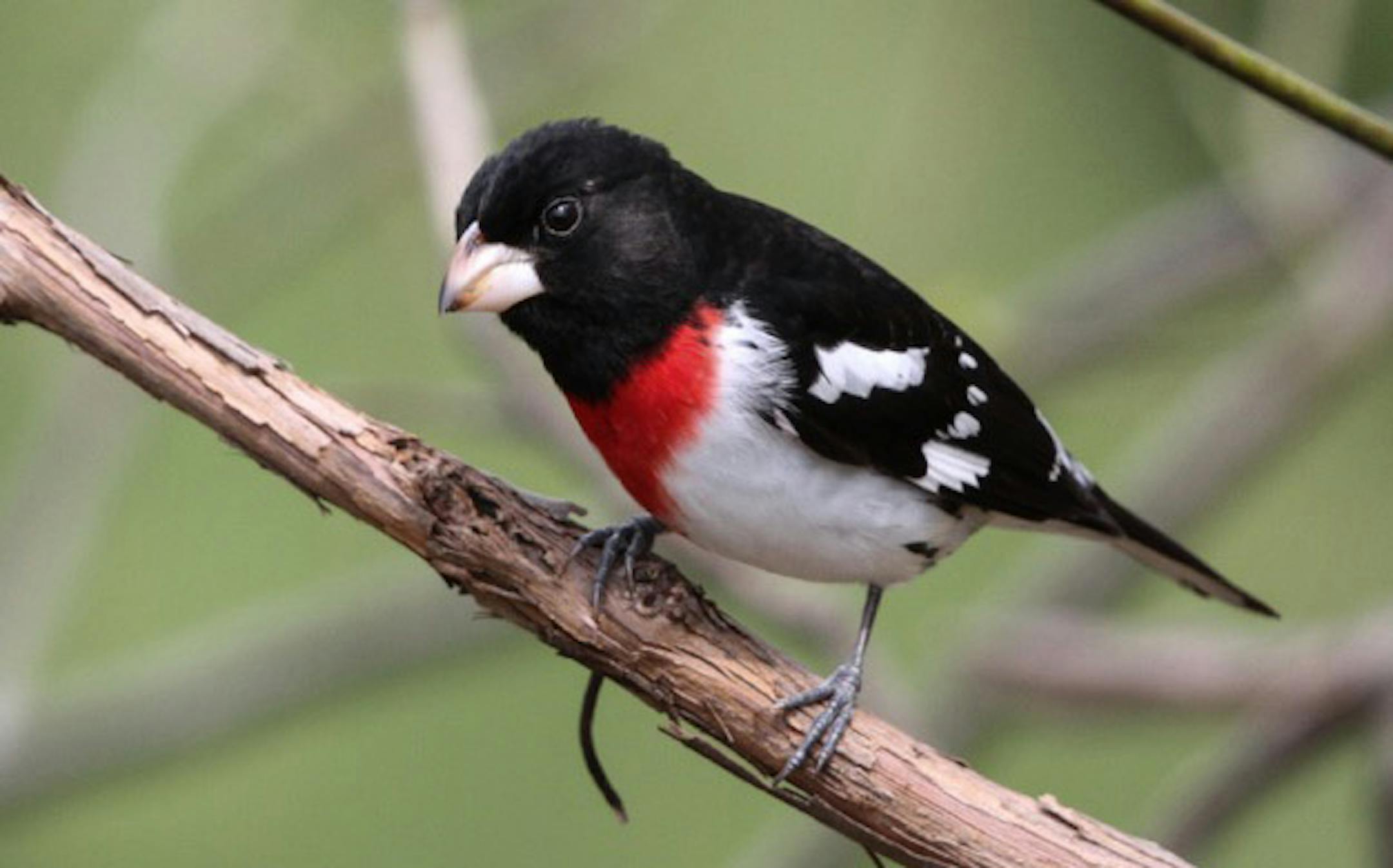
Q: I'd been assuming it was some vexsome squirrels or chipmunks taking a single bite out of each of my tomatoes, but no: It turned out to be a family of rose-breasted grosbeaks! I didn't realize that grosbeaks cared for tomatoes, and maybe they don't, since they took only a single stab at each one.
A: I hadn't known this, either, and it must indicate that grosbeaks are eternal optimists: If today's tomato lacks appeal, try again tomorrow. I hope none of these birds return to your garden next year.
Overrun by bugs?
Q: I like the idea of helping birds by leaving the garden alone in the fall, but I worry that all those leaves and plant stalks will lead to an increase in bad insects next spring. I don't use any pesticides but don't want to be overrun with bugs.
A: You raise a good point, and I'm so glad to learn that you don't use any harmful chemicals in your garden. This means that you have beneficial insects lurking out there, as well as those that injure plants. If we gardeners stop using bug killers and allow the web of life to flourish, insects that are more benign will help keep the unwelcome insects under control: Large insects will prey on medium-sized ones and medium-sized insects will eat the smaller ones. If some seem to be running rampant, like aphids being farmed by ants, you can strip these off by hand.
Wasps vs. hummingbirds
Q: I put out my hummingbird feeder all summer but never noticed any hummingbird visitors. I make my own sugar water but wonder if they prefer the store-bought kind?
A: You can easily make your own nectar for your feeder — hummingbirds show no preference for the kind you can buy — and this will save you money. Just be sure to use cane sugar and mix 1 part sugar to 4 parts water, storing any extra in the refrigerator. I'm not sure why hummingbirds were ignoring your feeder, but wasps would deter the birds. Next fall, try drawing wasps away by offering them their own, stronger sugar water (1 part sugar to 2 parts water) in a pie plate some distance from the hummingbird feeder.
Sick finches
Q: A house finch coming to my feeders doesn't look well: There's a red bump near its eye and both eyes are reddened. Just now I noticed another finch with a red bump. What has happened to these birds?
A: These poor birds have avian conjunctivitis, a condition that's very prevalent in the house finch population. Experts say that the disease itself isn't usually fatal but that the finches either lose their sight, then can't locate food and eventually die from starvation, or become easy prey to predators. The disease is highly contagious so the usual advice is to clean and disinfect feeders (1 part bleach to 9 parts water, then rinse thoroughly) then don't put them back up for two weeks. The infected finches will almost surely have died off after that much time. If you are able to capture the finches (use a towel) you could bring them to the Wildlife Rehabilitation Center in Roseville for treatment.


