

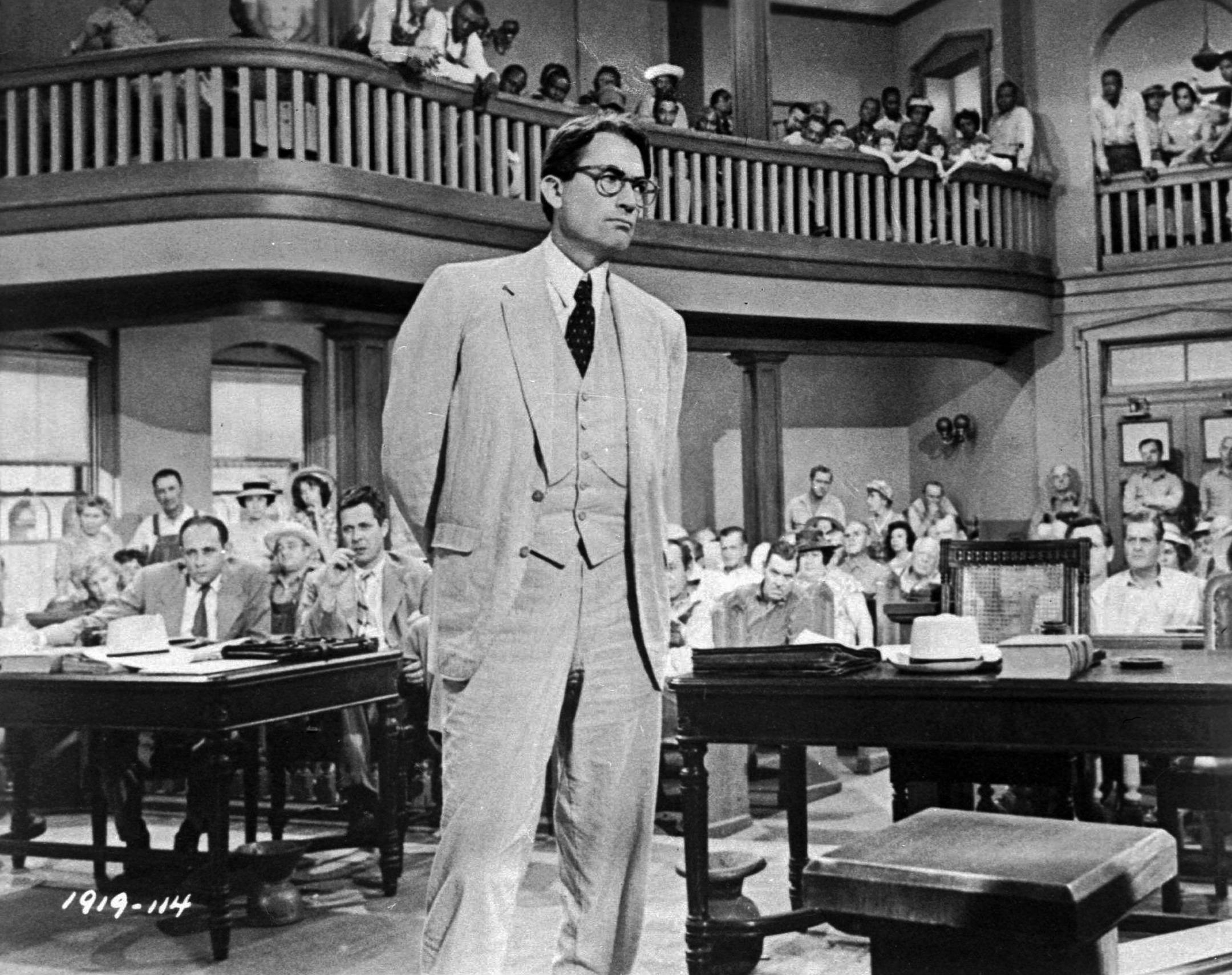
In the years since Harper Lee's death in 2016, her 1960 novel, "To Kill a Mockingbird," has been reimagined in surprising new ways. It was released as a graphic novel in 2018 and adapted into a hit Broadway production.
Now, after a yearslong legal battle, the path has been cleared for a film remake or sequel.
No plans have been announced, or are even being contemplated, according to the successors and heirs of the makers of the original 1962 film adaptation starring Gregory Peck.
But unsealed documents filed in an Alabama federal court reveal how those successors and heirs successfully fought Lee's estate to preserve the right to make any sequel or derivative movie, which they argued had been granted by Lee in 1961 and reaffirmed by her in 2008.
Shortly before her death, Lee tried to revoke film rights from the heirs of the original film producers. The producers entered a counterclaim, arguing that their earlier deal with Lee remained in effect, and that the estate had no right to enter any agreements with other producers or filmmakers for anything derived from "To Kill a Mockingbird" or "Go Set a Watchman," another novel by Lee, released in 2015.
The drawn-out fight pitted a bestselling American literary icon against the descendants of filmmakers who had produced an acclaimed movie that was nominated for an Oscar for best picture and that Lee professed to love.
As part of an arbitration settlement, the Lee estate also agreed to pay an undisclosed sum to the heirs of "Mockingbird" producer Alan Pakula, director Robert Mulligan and Peck, who played the lead role as Atticus Finch, a small-town Alabama lawyer who fights to exonerate a wrongly convicted Black man.
Cecilia Peck, the actor's daughter, signed for the Atticus Corp., which was party to the agreement. The agreement also gives the producers rights to make a film adaptation of "Go Set a Watchman," with the caveat that the estate must sign off on it.

