

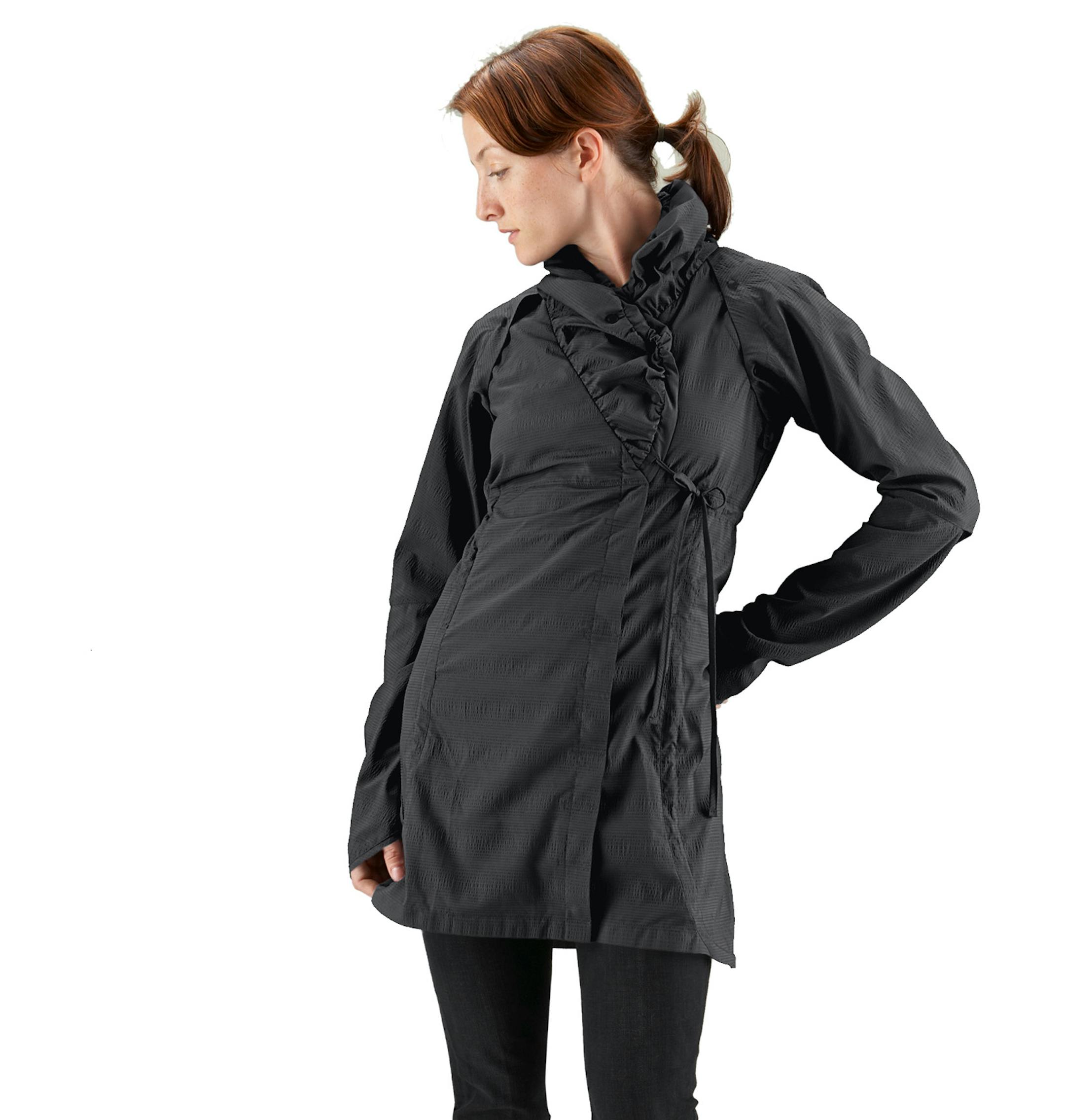
Crunchy, but not in a good way.
That's how design students at Fashion Institute of Design and Merchandising in Los Angeles described eco-conscious clothing, said Ian Yolles, vice president of marketing for Nau Inc., a Seattle-based outdoor clothing company guided by sustainability and beauty. In addition to describing the material as scratchy, the students said green apparel is bland and boring, not stylish or fashionable.
Yolles knew that Nau Inc. had an uphill battle to persuade consumers to buy green clothing initially, but the landscape has changed. For many consumers today, slapping a "Green!" label on a product attracts buyers as easily as "New and Improved!" does on a bottle of detergent.
"Green is a global phenomenon," said Marshal Cohen, chief analyst for the NPD group, a market research group. "We see it in home products, food and apparel." Consumers are even willing to pay an extra 20 percent for eco-friendly products such as organic clothing, Cohen said.
Most eco-conscious consumers inch their way into the green closet by choosing organic cotton clothing. Organic cotton makes up 95 percent of organic fabrics, according to Organic Exchange, a nonprofit trade organization working to increase the use of organically grown cotton. While many consumers may think cotton is "natural," cotton crops take up 3 percent of the world's farmland, yet use 25 percent of the world's insecticides and 10 percent of all pesticides, according to Pesticide Action Network North America.
Organic cotton, grown primarily in Turkey, India and the United States, makes up less than 1 percent of all cotton grown worldwide. Produced without pesticides or chemical fertilizers, organic cotton must be grown in soil that has been chemical-free for three years.
Consumers need to be wary of "green washing" or "green sheen," the act of misleading consumers regarding the environmental practices of a company or the environmental benefits of a product or service, said Yolles. Some clothing labeled "made of organic cotton" might contain only 3 percent organic cotton, for example. Items made from 100 percent certified organic cotton are preferable, said Ellen Gavin, co-owner of Birch clothing, an eco-friendly clothing store in Minneapolis.
Consumers also can choose clothing made from hemp, bamboo, Tencel or rayon (from wood pulp), soy and corn, most of which are much softer and more resilient than they were five years ago. But the focus of the greenest clothing companies goes beyond the fabric. For companies such as Nau and Patagonia, it's also about the product's color and design, as well as its production, distribution, care and cleaning and recyclability.


